
A first order is exciting. A repeat order is proof.
When the same customer comes back for a second, third, or fifth purchase, you learn something that no ad dashboard can tell you on its own. The product fits into real life. The offer made sense. The experience was good enough that buying again felt easy.
For independent makers and direct-to-consumer CPG brands, stability comes from repeat business. Paid acquisition gets expensive fast, and small brands rarely have the margin or team size to brute-force growth the way larger companies can. Retention is often the more practical path. It protects cash flow, gives you better read on product-market fit, and creates the kind of customer base that talks about you without being pushed.
That matters even more for brands selling coffee, skincare, supplements, pantry goods, pet products, and other items people buy on a rhythm. In these categories, the job is not just to win the first purchase. The job is to become the brand they remember when the bag is empty, the bottle runs low, or the routine is already set.
You do not need an enterprise stack to get this right. You need a product people want again, a few follow-up systems that run consistently, and a willingness to treat retention as part of the customer experience from day one.
If you want a broader primer before you start, MetricMosaic's guide on customer retention is a useful companion read. Here, the focus is narrower: practical, low-cost ways to keep good customers close and earn the next order naturally.
Table of Contents
1. Loyalty Points and Rewards Programs
A customer places a second order, adds one small extra item, and checks out without thinking too hard about it. That is what a good loyalty program should support. It should make coming back feel worthwhile and easy, especially for independent makers and CPG brands that cannot outspend bigger competitors on constant discounts.
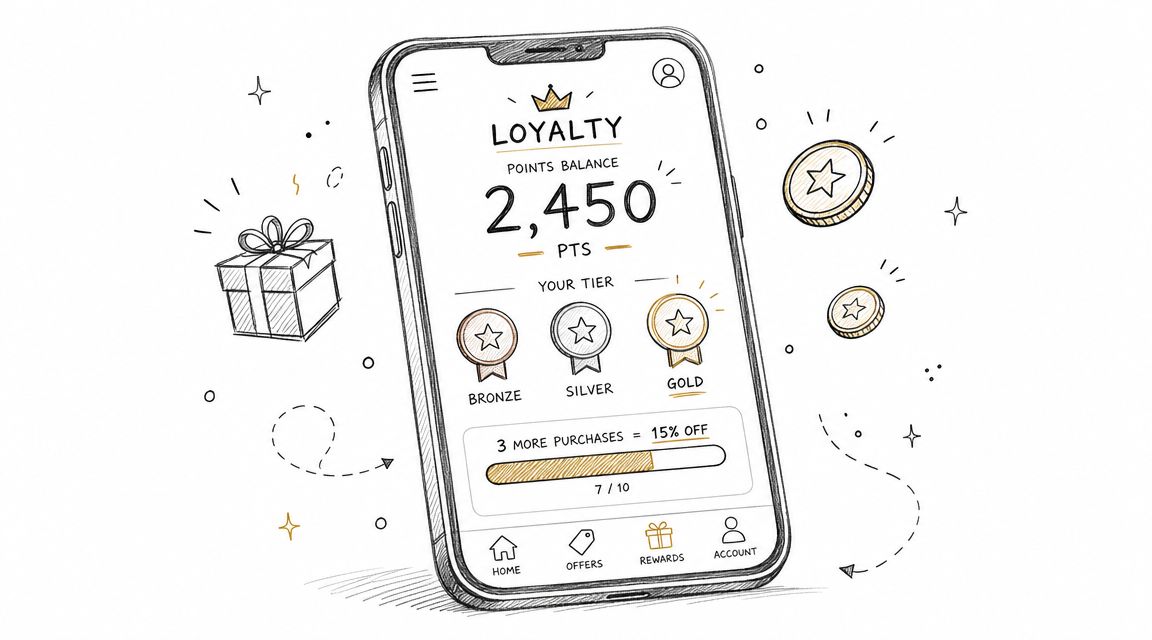
The mistake I see often is overbuilding. A small brand copies a big retailer, adds tiers, exclusions, expiry rules, and a long page of terms, then wonders why customers ignore it. For most maker-led shops, the better move is a simple repeat-purchase reward customers can understand in seconds.
A coffee roaster can reward every few bag purchases. A skincare brand can reward consistency, such as buying a cleanser and then returning for the matching moisturizer. A paper goods seller might reward thoughtful add-ons at checkout, such as the A2 Celebration Greeting Card, 100% Recycled Paper, Blank Inside, Hand-Drawn Congrats Card, Includes Kraft Envelope | Chika Paper Studio by Loyaltie, priced at 5.5 and currently in_stock. The item matters less than the behavior. You are giving repeat buyers a small reason to build the next basket with you instead of splitting the order across three shops.
Keep the reward simple enough to matter
Clarity does the heavy lifting here.
- Show progress clearly: Tell customers how close they are to their next reward at checkout and in post-purchase messages.
- Set reachable milestones: An early, modest win gets attention faster than a reward that feels too far away.
- Use selective bonuses: A short double-points window can wake up lapsed customers without teaching everyone to wait for a sale.
Practical rule: If you cannot explain your rewards program in one sentence, it is too complicated.
There is a trade-off. Richer rewards can increase repeat orders, but they also cut into margin and add operational work. Start with one behavior you want more of, second orders, bundle building, or replenishment, then reward that behavior plainly. Simple programs are easier to run, easier to explain, and much more likely to get used.
2. Personalized Email and SMS Marketing
A customer buys a bag of loose-leaf tea on Sunday. By Tuesday, they get a generic promo for candles, a weekend sale, and a text that says “miss you already.” That is how independent brands train good customers to tune them out.
Personalized retention works better because it follows the customer's moment, not your campaign calendar. For small CPG brands, that usually means a few well-timed messages tied to what someone bought, how often they reorder, and what they need to use the product well. You do not need an expensive automation stack to do this. You need clean tags, a short message map, and restraint.

If someone bought loose-leaf tea, send brewing tips first, storage guidance a few days later, then a reorder reminder when they are likely running low. If they bought a face oil, send a simple routine, explain what results to expect, and follow up later with a replenishment message. Email is better for education, product stories, and habit-building. SMS is better for short, useful updates like shipping alerts, restocks, or a timely reorder prompt.
Build flows around behavior
The goal is relevance, not volume.
- Treat first-time buyers differently: Early messages should reduce hesitation, answer common questions, and help them get a good first result.
- Segment by product or category: Coffee buyers need brew guidance and refill timing. Skincare buyers need usage tips and consistency reminders.
- Use timing that matches consumption: A jar that lasts 30 days should not get a reorder text on day 7.
- Offer frequency preferences: Weekly, monthly, or text-only-for-orders gives people control and protects trust.
There is a trade-off here. More segmentation usually improves relevance, but it also creates more work to maintain. I have seen small brands build fifteen flows, then stop updating any of them. Three useful flows beat a complicated setup that degrades unnoticed in the background.
The common failure is sending the same campaign to everyone because it is fast. Customers can tell when a message was triggered by their behavior and when it was triggered by your need to hit send.
3. Exclusive Community and VIP Access
Not every repeat buyer wants points. Some want access. Early launches, limited runs, private Q&As, and behind-the-scenes updates can feel more valuable than another coupon, especially if your brand has a strong point of view.
This works especially well for makers with products people get emotionally attached to. Think seasonal coffee releases, founder-led skincare education, or first access to a new flavor before it hits the main storefront. You're not bribing people to return. You're giving your most engaged customers a better version of the brand experience.
Give access, not just discounts
VIP doesn't have to mean expensive.
- Offer early access first: Let repeat buyers shop new releases before everyone else.
- Share the making process: Ingredient sourcing notes, roast profiles, test batches, or packaging decisions give people a reason to pay attention.
- Ask for input: Your best customers often want to help shape what comes next.
A common mistake is creating a “VIP” tier with no meaningful difference from the regular experience. If the only benefit is a slightly bigger discount, people treat it like a coupon list, not a community.
The strongest VIP programs make customers feel included, not managed.
For independent brands, this is one of the best customer retention strategies because it leans into what big retailers can't fake very well. Real proximity to the maker.
4. Regular Deliveries and Reorder Plans
For consumables, convenience drives retention as much as brand love does. If you sell coffee, supplements, pet treats, tea, or skincare basics, some customers want a steady reorder rhythm and don't want to think about it every time.
The best version of this is flexible. Let people choose timing. Let them skip a cycle. Let them swap items. If changing a plan feels like dealing with a cable company, they'll leave even if they still like the product.
Convenience is the actual product here
A reorder plan should remove effort, not create a lock-in trap.
Good setups usually include:
- A clear default cadence: Start with the interval that fits how customers typically use the product.
- A reminder before each shipment: Give buyers time to pause, swap, or adjust.
- An easy account flow: Customers should be able to manage their plan without emailing support.
This approach also gives you better forecasting and steadier revenue, but don't lead with that. The customer benefit is simpler: they don't run out of the thing they already know they like.
One of the biggest retention misses I see is brands hiding their reorder option on the product page. Put it where people decide. Product page, cart, and post-purchase email. That's usually enough to get traction without a major rebuild.
5. Post-Purchase Engagement and Follow-Up
A lot of brands go quiet right after the sale, which is strange when you think about it. That's the moment when attention is highest. The customer just trusted you with their money. They're watching for confirmation, shipping updates, and signs they made the right choice.
Post-purchase follow-up is where you reduce buyer's remorse, answer common questions, and guide people toward getting real value from the product. It's also where many second orders begin. If you sell specialty coffee, tell people how to brew it well. If you sell skincare, explain where it fits in a routine. If you sell snacks or pantry goods, suggest pairings or ways to use them.
The second order often starts right after the first
One useful retention lesson comes from product onboarding. Slack found that teams sending 2,000 messages in 30 days had 93% retention. The lesson for makers is simple. Don't obsess over whether someone clicked every email. Figure out what early behavior predicts that they'll stick.
For physical products, that activation behavior might be:
- Using the product correctly the first time
- Building it into a routine
- Coming back to browse related items
- Replying to a check-in email with a question
What doesn't work is sending a generic “How did we do?” message before the order even arrives, or asking for a review before the customer has had time to use the product. Good follow-up feels timed and specific.
6. Referral and Word-of-Mouth Programs
Word-of-mouth is still the cleanest kind of growth because it comes with trust already attached. But referral programs only work when the product is easy to recommend and the ask is simple.
A person doesn't refer your brand because your dashboard says they're an advocate. They refer because the coffee was noticeably better, the skin balm solved a real problem, or the ordering experience was easy enough that they don't hesitate to send a friend. The reward helps, but it's not the reason.
Make sharing feel natural
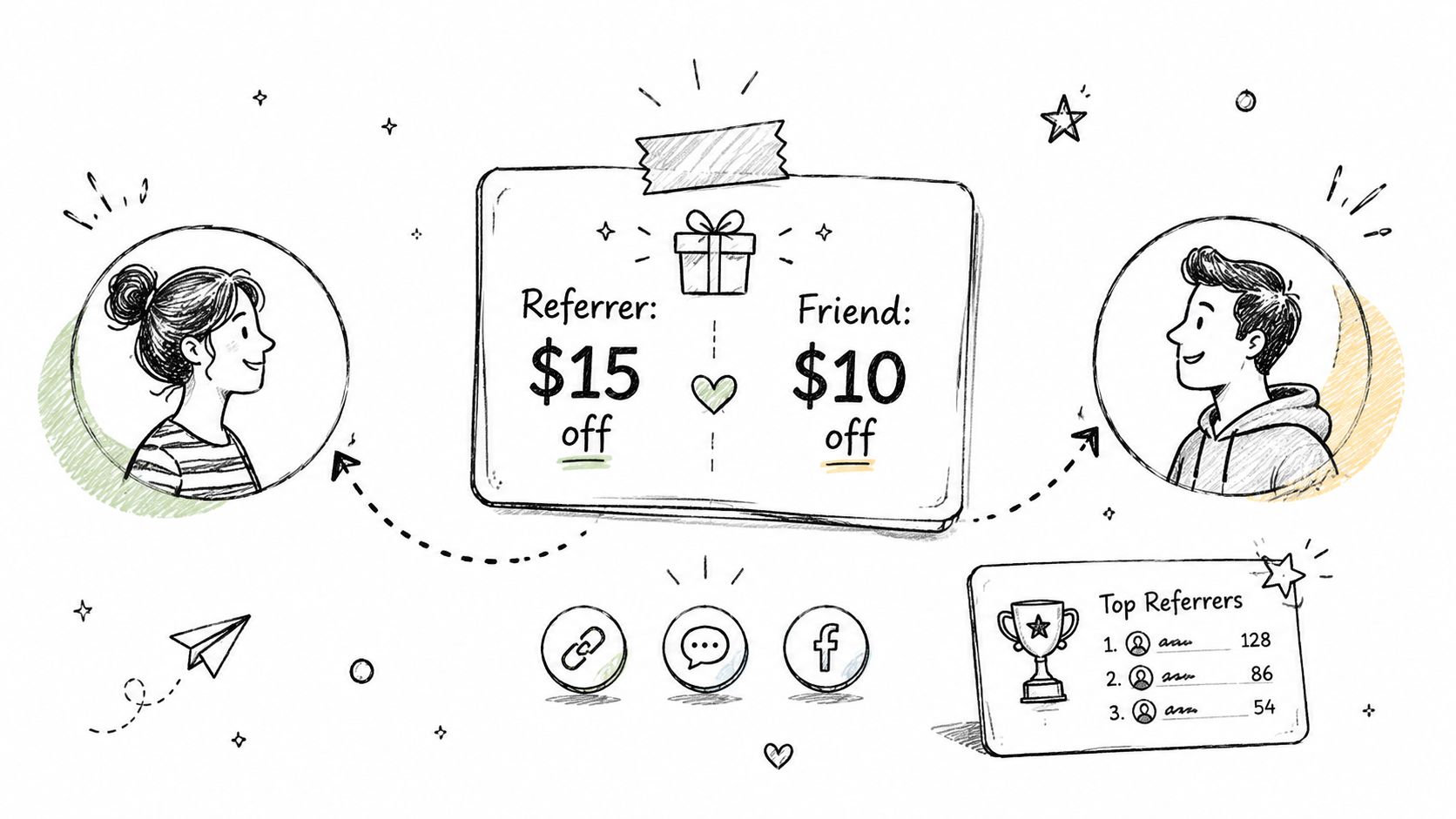
The best referral systems remove friction:
- Give both people value: The existing customer and the new buyer should each get something useful.
- Place the ask after a positive moment: Good timing beats constant reminders.
- Make sharing one-click easy: Text, email, and copy-link options matter more than fancy design.
What usually fails is leading with “Invite friends and earn rewards” before the customer has even formed an opinion about the product. Earn the recommendation first. Then ask.
There's also a trade-off here. If you overpay referrals with aggressive discounts, you may bring in bargain hunters who don't stay. For independent brands, a modest thank-you plus a strong product experience tends to attract better-fit buyers.
7. Personalized Product Recommendations and Content
You don't need an elaborate recommendation engine to make this useful. In fact, most makers should start with simple logic based on what people already buy. If someone buys pour-over coffee, they might want filters or a grinder guide. If they buy a magnesium supplement, they may want content on when to take it or what pairs well with it.
That's more effective than pushing random “you may also like” blocks across the site. Relevance builds trust. Randomness feels like clutter.
Start with simple recommendation logic
One good place to start is audience clarity. If you haven't defined who buys what and why, this guide to finding your target audience gives a practical framework for tightening that up.
Then keep recommendations grounded:
- Pair products people naturally use together: Coffee and brewing gear. Soap and lotion. Pet treats and grooming basics.
- Create educational content around those pairings: Show how the products fit into a routine.
- Adjust by lifecycle stage: New customers need guidance. Repeat customers need relevance and convenience.
A lot of mainstream retention advice assumes rich third-party tracking data. That's less reliable now. Current guidance increasingly points toward first-party data, predictive thinking, and support across owned channels as better retention levers as privacy rules tighten and third-party targeting becomes less dependable, especially for smaller brands working without enterprise tooling (industry guidance summarized here).
That shift is good news for makers. You already have the most useful signals. What people bought, what they reorder, what they ask support about, and what they ignore.
8. Exceptional Customer Service and Support
A customer opens a package, finds the wrong item, and emails you before bed. By breakfast, they have already decided what kind of brand you are. Support shapes that decision fast.
For independent makers and CPG brands, service is one of the few retention advantages that does not require a bigger ad budget or a more complex tech stack. Big brands often have scale. You can reply with context, solve the problem without three handoffs, and make the customer feel known.
Speed matters, but judgment matters more
Customers rarely expect perfection. They do expect a clear answer, a fair fix, and a reasonable timeline. If they get that, many will forgive the mistake. If they get silence, a canned reply, or a policy pasted into the thread, they often do not come back.
Good support usually comes down to a few operating choices:
- Acknowledge the issue fast: A short human reply beats a polished delayed one.
- Resolve it in one place: Keep email, chat, and social from becoming separate case files.
- Let the person replying make small fixes: Replacements, refunds, or store credit should not need a chain of approvals.
- Write like a person: Clear language lowers friction more than formal brand voice does.
There is a trade-off here. Generous support can protect loyalty, but loose policies can attract abuse. Set limits where you need them. Just do it discreetly and case by case, not by making every honest customer prove they deserve help.
If trust is part of the problem, this practical piece on how to build customer trust pairs well with a support review. If you want to reduce repetitive tickets without sounding robotic, this guide on how to automate customer support for Shopify is a useful starting point.
Support also feeds the rest of your retention system. The questions customers ask tell you what is unclear on the product page, what should go into post-purchase email, and what deserves a stronger community FAQ or education hub. If you are building that kind of relationship-first retention loop, this guide to community commerce for small brands shows how support, conversation, and repeat buying can reinforce each other.
Good support does not need polished scripts. It needs competence, warmth, and enough authority to fix the problem.
9. User-Generated Content and Community Building
A lot of user-generated content campaigns flop because the brand asks for “content” instead of inviting real participation. Customers don't wake up wanting to make assets for your marketing calendar. They will, however, share a morning coffee ritual, a shelfie with a favorite skincare product, or a pet reacting to a treat they love.
That's the opening. Give people a prompt tied to real life.
A broader community approach also helps retention because people stick longer when they feel part of something, not just sold to. If you want a practical breakdown of that model, this explainer on community commerce is a useful starting point.
Give customers an easy prompt
Ask for one specific kind of share at a time.
- Prompt a use case: “Show us your weekday morning setup.”
- Feature customers with permission: Put real photos and stories in email and on product pages.
- Respond like a person: A thoughtful reply matters more than a branded emoji.
Here's a useful video if you want ideas on getting customers involved in a way that feels natural:
What doesn't work is turning every customer post into a contest. Sometimes a simple reshare, credit, and thank-you builds a stronger relationship than a prize mechanic.
10. Data-Driven Retention Analytics and Segmentation
A lot of indie brands wait too long to look at retention data. By the time sales feel soft, the pattern has usually been visible for weeks in repeat order gaps, slower reorders, or a growing pool of one-time buyers.
You do not need a data team. You need a simple review habit and a few segments you can use.
For independent makers and CPG brands, the goal is not to build a fancy dashboard. It is to spot who needs a different message, who is ready for a refill reminder, and which products create a second purchase without much push. Big companies can afford layers of reporting. Smaller brands win by noticing patterns early and responding like humans.
A monthly check is enough for many teams. If you have higher order volume or a fast-repeat product like coffee, supplements, or skincare, check weekly.
Focus on a short list of questions:
- Which products lead to a second order most often?
- Which customers bought once and went quiet?
- How long does a typical reorder cycle take by product?
- Which follow-up emails or texts lead to another purchase?
- Are returns, complaints, or support tickets clustering around one product or promise?
Those answers give you practical segments you can act on right away. New customers need education and reassurance. Repeat buyers often respond better to timing, convenience, and early access. At-risk customers need a relevant reason to come back, not a generic discount sprayed across your whole list.
That trade-off matters. More segmentation can improve relevance, but too many tiny audiences create busywork and weak execution. I have seen small brands build six flows when three would have done the job better. Start with a few groups you can maintain consistently: first-time buyers, active repeat buyers, and lapsed customers.
Analytics should change behavior. If a product usually gets reordered in 45 days, send the reminder before day 45, not after customers have already switched brands. If one SKU brings in plenty of first orders but very few second ones, fix the product experience, the expectations on the product page, or the post-purchase education.
If your team uses video in retention campaigns, product education, or post-purchase follow-up, tools that help you create studio-quality videos can make that content easier to produce without a full production setup.
Top 10 Customer Retention Strategies Comparison
| Strategy | 🔄 Implementation Complexity | ⚡ Resource Requirements | 📊 Expected Outcomes | 💡 Ideal Use Cases | ⭐ Key Advantages |
|---|---|---|---|---|---|
| Loyalty Points and Rewards Programs | Medium, platform integration, tiering, tracking | Moderate–High, loyalty platform, fulfillment ops, marketing | Higher repeat purchases and CLV; measurable engagement | Consumables and frequent-purchase categories (coffee, skincare, supplements) | Strong repeat-purchase incentive; easy to communicate; valuable behavior data |
| Personalized Email and SMS Marketing | Medium, automation, segmentation, data integration | Low–Medium, ESP/SMS tools, content, data hygiene | High ROI and direct conversions; improved retention | Onboarding, cart recovery, replenishment reminders for recurring buyers | Scalable one-to-one touchpoints; highly measurable and optimizable |
| Exclusive Community and VIP Access | High, community platform + ongoing management | High, community managers, exclusive content/events, inventory allocation | Strong emotional loyalty; premium paying members; organic advocacy | Brands with strong stories, indie makers, premium product lines | Deep emotional connection; reduces price sensitivity; drives word-of-mouth |
| Regular Deliveries and Reorder Plans | High, subscription billing, logistics, fulfillment changes | High, recurring payments, inventory planning, shipping systems | Predictable recurring revenue and higher CLV; lower churn | Consumables (coffee, supplements, food), subscription boxes | Convenience for customers; revenue predictability; retention via habit |
| Post-Purchase Engagement and Follow-Up | Medium, timed automations and product-specific sequences | Low–Medium, CRM/email automation, content for care/guides | More reviews, higher second-purchase rates, early issue resolution | New customers, products requiring education or onboarding | Captures satisfaction window; drives repeat purchases and reviews |
| Referral and Word-of-Mouth Programs | Medium, tracking, rewards, fraud prevention | Medium, incentive costs, referral platform, promotion | High-quality new customers; lower CAC; viral growth potential | Socially shared products, local brands, high-satisfaction offerings | Low acquisition cost; referred customers show higher LTV; scalable loops |
| Personalized Product Recommendations and Content | Medium–High, data systems or rule-based start, scaling to AI | Medium, data collection, content, possible recommendation engine | Increased AOV, improved discovery, better customer satisfaction | Large catalogs, complementary product sets, cross-sell opportunities | Boosts AOV via relevant cross-sells; personalization improves over time |
| Exceptional Customer Service and Support | Medium, multichannel setup and processes | High, trained staff, support tools, possible outsourcing | Higher retention, fewer negative reviews, stronger brand trust | High-value or complex products, local makers emphasizing service | Converts issues into loyalty; competitive differentiator; builds trust |
| User-Generated Content and Community Building | Medium, campaigns, moderation, content curation | Low–Medium, social management, incentives, moderation effort | Greater engagement, organic reach, authentic social proof | Lifestyle and visual brands, community-driven products | Cost-effective authentic content; strengthens community and credibility |
| Data-Driven Retention Analytics and Segmentation | Medium–High, analytics, cohort models, dashboards | Medium–High, tooling, data pipelines, analyst expertise | Targeted interventions, measured ROI, proactive churn reduction | Scaling brands, multi-channel sellers, data-rich businesses | Optimizes resource allocation; identifies at-risk cohorts; measures impact |
Your Next Step Start with One
If this list made you realize there are ten things you could improve, that's normal. Don't turn that into ten unfinished projects.
Pick one strategy that matches the kind of brand you run and the kind of product you sell. If you sell something people use up, start with regular deliveries or a better reorder reminder flow. If your buyers care about discovery and routine, start with personalized email and post-purchase education. If your product already creates affection, start with community, referrals, or a simple loyalty program.
The biggest mistake I see is trying to copy a full retention stack from a much larger company. Independent brands win by being more direct, more human, and more useful. You probably don't need more software yet. You may just need a sharper welcome flow, faster support replies, a better reason for people to reorder, or a clearer reward for sticking around.
That said, some patterns are worth taking seriously. Loyalty programs continue to rank highly with operators. Personalization matters. Service speed matters. Segmentation matters. And because online retail is harder than many other categories for repeat buying, you'll usually get better results from reducing friction and improving the customer experience than from chasing one more acquisition burst.
There's also a deeper point here. Retention is not just a marketing function. For makers, it's a product-quality function, an operations function, and a relationship function. People come back when the product holds up, the reorder experience is easy, the communication feels relevant, and problems get solved without drama.
So start small. Build one system that saves a customer one bit of effort. Then build the next one.
If you want a place where people can discover and buy directly from the best independent brands in the US, Loyaltie is one relevant option. It gives makers a marketplace environment built around direct relationships, which makes many of these retention habits easier to support over time.
If you're building an independent brand and want a better way to reach people who like buying directly from the maker, explore Loyaltie. It's a marketplace where shoppers discover and buy from independent brands across the US, with room for the kind of repeat relationships that sustain a business.