


You've got a recipe in your head already. Maybe it's lacquered pork belly for ramen, a slow braise with sticky edges, or thick slices you want to crisp hard in a hot pan. Then you go to a regular grocery store and find one sad slab in plastic, or nothing at all, and suddenly the whole plan feels harder than it should.
That's the problem with figuring out where to buy pork belly. It's not just about finding any pork belly. It's about finding the right one for what you want to cook. Some cuts are too lean, some are floppy and watery, some come skinless when you needed skin-on, and some are priced like luxury goods without giving you much in return.
The good news is that great pork belly isn't impossible to find. You just need to know which sellers are reliable, when a higher price is worth it, and when a straightforward market cut will cook beautifully. A little sourcing knowledge changes everything. The same way a great hot sauce can wake up tacos, a good ingredient source changes the whole meal, whether that's a slab of pork belly or a pantry add-on like this smoky taco hot sauce.
Table of Contents
Your Search for the Perfect Pork Belly Starts Here
You're standing at the meat case with a recipe in hand, and every slab looks close enough. That's the trap. Pork belly is one of those cuts where “close enough” gives you greasy, floppy, forgettable results.
Start with a better slab and half the work is done for you. The fat renders cleaner. The meat stays succulent. The finished bite tastes rich instead of heavy.
Good pork belly covers for small cooking mistakes. Cheap, tired pork belly exposes every one of them.
Here's the part many home cooks miss. You do not need to choose between bargain-bin supermarket pork and the most expensive heritage pork on the internet. There's a middle ground, and it's usually where the smart buy lives. A well-cut fresh slab from a good butcher, a busy Asian market, a Hispanic market, or a nearby farm can beat a pricier option that was handled poorly or cut without care.
Spend more when pork belly is the star of the plate. Save your money when it's getting braised, cured, or folded into a bigger dish. That one decision keeps you from overpaying for everyday cooking and helps you spot the moments when a local farm or careful butcher is worth every extra dollar.
A neighborhood butcher can cut the size you need and tell you how it was handled. Markets that sell a lot of pork belly usually offer fresher turnover and more consistent slabs. Buying direct from a farm often gives you better flavor and better texture without forcing you into luxury prices. If you want a bold finishing touch once it hits the plate, a smoky taco hot sauce with tomato and chile de árbol works especially well with crisped pork belly.
What makes the search frustrating
The problem is not that good pork belly is impossible to find. The problem is that stores sell very different versions of it under the same name.
One shop offers a neat, even slab. Another puts out a thick strip of mostly fat. Some keep skin-on pieces in the back and only bring them out if you ask. Others thaw and rewrap previously frozen pork without telling you much. If you do not ask a few direct questions, you can end up paying decent money for a cut that was never going to cook well.
Ask these before you buy:
- Is it skin-on or skin-off?
- Is it fresh or previously frozen?
- Are the layers even from end to end?
- Can they cut the slab to the size you want?
Get those answers first, and the search gets much easier. You stop buying random pork belly and start buying the right pork belly for the meal.
What to Look for in High-Quality Pork Belly
You don't need to be a butcher to spot a good slab. You just need to slow down and look at it.
Read the layers first
The first thing to check is the meat-to-fat layering. You want distinct stripes. Not a giant white block with a little pink hiding inside, and not a lean strip that cooks up dry and disappointing.
A balanced slab cooks more evenly and gives you options. It can braise without turning greasy. It can roast and still keep structure. It can slice cleanly for ramen or grill well after a quick cure.
Look for these signs:
- Firm, creamy-white fat that looks clean rather than dull or yellowed
- Visible layers instead of muddled, uneven pockets
- A dense feel with some firmness, not a limp waterlogged piece
- A flat, even slab if you want neat portions or consistent crackling
Practical rule: If the layers are clear and the fat looks firm, you're usually looking at a cut that will cook better and taste cleaner.
If you're shopping online and can't touch the meat, rely on detailed product photos and ask whether the slab is skin-on, center-cut, or trimmed for slicing.
Decide on skin-on or skin-off before you buy
A lot of people waste money when they buy the wrong format for the dish.
Skin-on is what you want for crispy pork belly, roasted slabs, and recipes where crackling matters. It's also useful if you want to remove the skin yourself and save it for another use.
Skin-off is easier for quick slicing, braises, burnt ends, and ramen toppings where you care more about tender layers than shattering crust.
The bigger price question is conventional versus heritage. Here's the plain truth. Heritage pork belly often costs ~$10–$14/lb versus $3–$5/lb for conventional pork, but the difference shows up in better fat texture and superior Maillard reaction potential, making it a justifiable upgrade for recipes where the pork is the star, as noted by BBQ Dry Rubs.
That doesn't mean you always need the expensive slab. If you're cubing pork belly into a strongly seasoned braise, conventional can be perfectly fine. If you're serving thick slices with almost nothing hiding them, spend more.
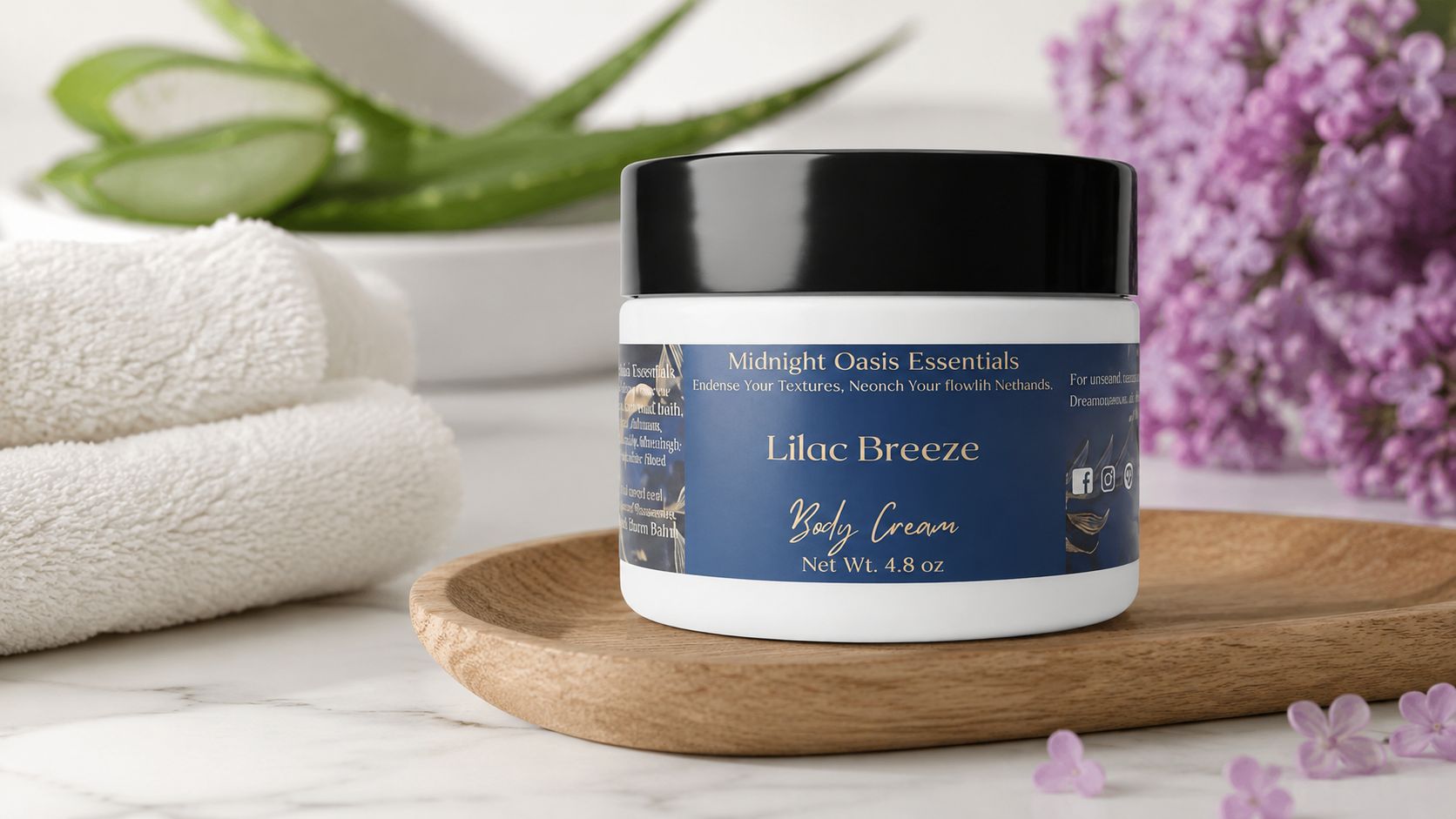
A quick side note for anyone who likes buying from independent brands in other categories too. Body Cream, Aloe Vera & Shea Butter, Lightweight Non-Greasy Hydration, Lilac Floral Scent, 1 Jar | Midnight Oasis Essentials by Loyaltie is described as a lightweight body cream with aloe vera and shea butter that melts in fast and leaves skin smooth and comfortable. Different category, same general shopping instinct. Better product details help you buy with less guesswork.
Your Main Options for Buying Pork Belly
If you want pork belly this week, you've got several realistic options. They're not equal.

Where each source wins
Asian and Hispanic markets are usually the first place I tell people to try. They're reliable, they tend to understand demand for this cut, and they're often the easiest place to find fresh belly in the style many home cooks want. In the US, markets such as 99 Ranch Market and H Mart are frequently named as dependable sources, and wholesale retailers like Costco also show consistent availability. The same source notes recent retail pricing at $4.82 per pound, recovering from earlier lows, in a discussion of where shoppers in the US find pork belly on Reddit's ramen community.
Local butcher shops come next for me. They're especially useful when you need a custom thickness, skin-on ordering, or advice on what will work for a specific dish. A good butcher can save you from buying the wrong slab. The downside is simple. Not every butcher keeps pork belly in the case every day.
Supermarkets are hit or miss. They're convenient, but the selection can be thin, and the cut often feels like an afterthought. If your regular store has a real meat counter and a butcher who'll order for you, that's a different story. Then it becomes a useful local option.
Online specialty retailers and direct farm sellers are worth it when you want a very specific kind of pork, especially if you're trying to bridge that gap between commodity meat and high-end heritage cuts. If you want to compare non-local online options too, it can help to explore online meat suppliers just to see how specialty sellers describe breed, cut style, and handling.
Where to Buy Pork Belly A Quick Comparison
| Source | Typical Price | Quality & Selection | Best For |
|---|---|---|---|
| Asian or Hispanic market | Around the retail range you'll often see in mainstream buying discussions | Strong chance of finding fresh pork belly, often with useful cut options | Ramen, crispy pork belly, regular repeat buying |
| Local butcher shop | Varies by shop and sourcing | Better guidance, special orders, custom trimming | Skin-on requests, exact slab size, higher confidence purchase |
| Costco or other wholesale retailer | Often competitive for bulk buying | Consistent availability, less hand-holding | Big cooks, batch prep, feeding a group |
| Standard supermarket | Varies widely | Convenient, but quality and stock can be inconsistent | Last-minute meals if your store already does pork well |
| Online farm or specialty meat seller | Usually higher than commodity retail | More breed detail, stronger sourcing story, direct delivery | Splurge meals, gifting, direct-from-maker buying |
Buy from the place that matches the dish. Don't pay heritage prices for heavily sauced cubes, and don't buy bargain belly for a centerpiece roast unless you've seen it first.
Finding Local Pork Belly Makers Near You
The biggest upgrade isn't always the most expensive pork belly. It's often the pork belly with the clearest origin.

Why buying direct changes the result
When you buy directly from a local maker, you usually get better answers. That matters. You can ask how the belly is trimmed, whether it arrives skin-on, whether it's shipped frozen, and whether the producer offers a richer breed than what your chain store carries.
That's the appeal of independent brands in food. No middleman, less mystery, and a better chance of getting something with actual character instead of an anonymous slab.
A lot of shoppers land in one of two camps. They either buy the cheapest pork they can find, or they jump all the way to expensive heritage meat without knowing if the difference suits their cooking. Local producers often sit in the useful middle. Better raised, better handled, and still practical enough for regular home cooking.
How to actually find them
Start close to home.
- Ask your butcher who they source from. Good meat counters often know regional farms even if they don't advertise them heavily.
- Check farmers markets and local farm stands. Some won't bring pork belly every week, but many take advance requests.
- Look for online marketplaces that let you buy directly from the maker. That saves time and widens your options beyond whoever happened to show up at the Saturday market.
One practical option is Loyaltie, a marketplace where people discover and buy directly from the best independent brands in the US. For food shoppers, that means you can look for local makers and producers without relying only on big-box shelves.
The closer you get to the source, the easier it is to buy pork belly that fits your exact recipe instead of settling for whatever's left in a cold case.
If your goal is better flavor, cleaner fat, and more confidence about what you're serving, local producers are where the search gets interesting.
Tips for Ordering and Storing Your Pork Belly
You get home with a promising slab, then dinner falls apart because the butcher gave you the wrong cut or the freezer turned it into a wet, bland block. That's avoidable.

What to say when you order
Do not ask for “pork belly” and stop there. Be specific, or you'll get whatever slab is easiest for the counter to move.
Tell them how you plan to cook it. That changes what you should buy, and it matters even more if you are trying to stretch your budget wisely. A cheaper, well-cut conventional slab can cook beautifully for braising or slicing. A pricier local or heritage slab earns its keep when the pork belly is the star and the fat quality has room to show.
Use language like this:
- For crispy roast pork belly: ask for a skin-on slab with even thickness so it cooks and crisps evenly
- For ramen or rolled preparations: ask for skin-off or skinless belly that is easy to roll, tie, and slice cleanly
- For grilling or braising: ask for a meatier piece with clear fat-to-meat layers, not a slab that is mostly soft fat
- For freezing in batches: ask the butcher to cut it into smaller portions before wrapping
One more move smart shoppers use. Ask whether the slab is from a local farm, a commodity supplier, or a heritage breed. You do not need to splurge every time, but you should know what you are paying for.
If you want a quick flavor plan once it's home, pork belly handles sweet smoke well. This date-sweetened BBQ sauce for glaze, marinade, or dipping is a good fit when you want a dark, sticky finish without building a sauce from scratch.
How to store it without ruining it
Fresh pork belly is great. Properly frozen pork belly is also worth buying, especially when you find a better local source, a seasonal batch, or a slab that is priced right. The cut is limited on every hog, so good belly does not stay available forever. Buy well, then store it well.
Keep fresh pork belly cold and cook it within a few days. If you are freezing it, portion it first, wrap it tightly, and label it. Vacuum sealing is best. A double layer of plastic wrap plus a freezer bag also works.
Thaw it in the refrigerator, never on the counter. Slow thawing protects texture and keeps the fat from turning greasy on the outside while the center stays stiff.
If you bought skin-on pork belly and saved the rind after trimming, bookmark this guide to re-crisping pork rind in microwave. It's useful when you want crackling texture without firing up the oven again.
Here's a useful visual if you want a cooking walk-through before you start.
Order for the dish, portion before freezing, and thaw slowly. Those habits matter more than whether you bought the cheapest slab or the fanciest one.
Your Next Great Meal Starts with a Better Cut
You don't need a secret supplier or restaurant contacts to get great pork belly. You need a better filter.
Look at the layers. Decide on skin-on or skin-off before you shop. Use Asian and Hispanic markets when you want dependable access. Use a butcher when you want control. Buy directly from the maker when you want a more distinctive slab and less guessing. That's how you stop asking where to buy pork belly and start bringing home pork belly that cooks the way you hoped.
And once you've cooked it, don't waste the skin. If you saved rind from a skin-on slab and want a quick texture fix later, this guide to re-crisping pork rind in microwave is worth bookmarking.
For finishing flavor, a straightforward seasoning blend also goes a long way. If you want a simple pantry add-on for your next batch, this smoky paprika, garlic, and pepper BBQ dry rub seasoning fits naturally with pork belly, especially when you want a dark crust without a fussy marinade.
The next time you cook pork belly, try a new source. Not because it sounds virtuous. Because your dinner will taste better.
If you like buying food, pantry staples, and everyday goods from real people instead of defaulting to another giant retailer, take a look at Loyaltie. It's a marketplace where people discover and buy directly from the best independent brands in the US, with a simpler path to local makers and no middleman.