You're probably already doing price math in your head without calling it that.
You pick up one bag of coffee and see a straightforward label. Then you look at another one from an independent roaster. It costs more, but it also mentions origin, roast profile, and tasting notes. A skincare product says it uses specific oils and a careful production method. A pantry staple from a local maker explains where ingredients come from and why they chose them. In each case, the same question pops up. What am I paying for?
That's where price transparency matters. Not as a policy term, and not as a finance buzzword. It matters because it helps you tell the difference between a random higher price and a price that reflects better ingredients, more care, and clearer value. It helps makers explain their work without sounding defensive. And it gives both sides a better way to build trust.
Table of Contents
- The Real Question Behind Every Price Tag
- What transparent pricing actually includes
- Why people confuse transparency with cheapness
- The human side of it
The Real Question Behind Every Price Tag
You're standing in front of two bags of coffee. One is cheap and familiar. The other costs more and says it's single-origin, low-acid, and carefully roasted. Your first thought likely isn't “I need an economics lesson.” It's much simpler. Is the more expensive one worth it?
That question sits underneath almost every purchase. Coffee, supplements, skincare, snacks, pet products. Price transparency is the thing that helps answer it.
A plain price tag only gives you a number. It doesn't tell you whether the maker used better raw ingredients, spent more time refining the product, chose a slower production process, or kept things simple by selling directly with no middleman. Without context, a higher price can feel suspicious. With context, it can feel reasonable.
That's why people often get stuck. They think transparency means “show me the price.” But the underlying issue is “show me the reason.”
A transparent price helps you connect cost to quality, not just cost to checkout.
Think about a face oil that lists exactly which plant oils it uses and why. Or a coffee roaster that tells you the bean origin and flavor profile instead of hiding behind vague words like “special blend.” You may still decide it's not for you, and that's fine. But at least you can make that choice with your eyes open.
For independent brands, this is especially important. They usually aren't trying to win by being the cheapest option on a crowded shelf. They're trying to make something better, more thoughtful, and more enjoyable to use every day. Transparency gives them a way to show that value clearly, so you're not left guessing whether the price is substance or just packaging.
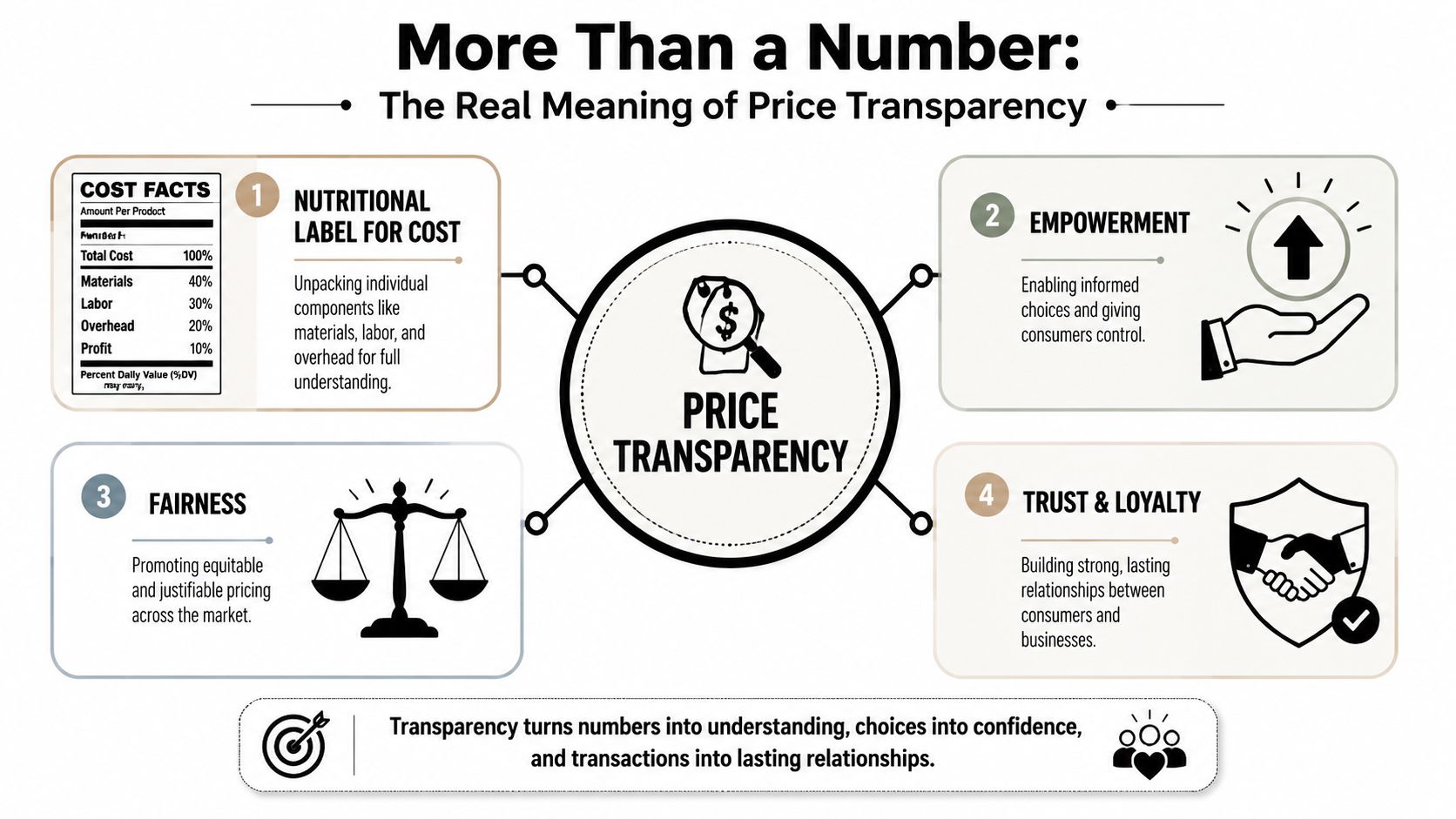
More Than a Number The Real Meaning of Price Transparency
Price transparency is easiest to understand if you think of it as a nutritional label for cost.
A nutrition label doesn't just tell you that food exists. It breaks down what's inside so you can decide whether it fits what you want. Price transparency works the same way. It gives you enough detail to understand why something costs what it costs.
What transparent pricing actually includes
A transparent price doesn't require a maker to publish every internal number. It usually means they explain the parts of value that shape the final cost in a way a real person can understand.
That often includes:
- Materials or ingredients that affect quality, like better beans, cleaner oils, or more carefully sourced raw goods
- Labor and skill involved in roasting, formulating, blending, testing, or packing
- Production choices such as smaller runs, slower methods, or tighter quality control
- Policies and experience like what's included, how the product is delivered, and what kind of support you can expect
Experts at the AAMC put this in a very useful way. True price comparability requires answering two questions many people skip: “What is the charge buying?” and “What is the actual value of the product or service?” That's from the AAMC's discussion of price transparency and comparability, but the principle applies just as well to coffee or skincare as it does to healthcare.
Simple definition: Price transparency means a seller gives you enough clear, usable information to understand what you're paying for and compare it to your other options.
Why people confuse transparency with cheapness
Transparent pricing doesn't always lead to the lowest sticker price. Sometimes it shows you why one product costs more and why that difference may be justified.
Take Single Origin Nicaragua Coffee Beans, 100% Arabica, Medium Roast, Low Acidity Smooth Cup, Whole Bean, 12 oz Bag | Three Avocados by Loyaltie. The useful part isn't a dramatic sales pitch. It's the plain detail: a single-origin Nicaragua coffee, 100% Arabica, medium roast, low acidity, with a smoother and more balanced cup. That kind of description helps you connect the product to the experience you're buying.
If you think about pricing from the seller side, list price can also create confusion because it doesn't always reflect what buyers finally pay or how value is communicated. For a helpful business-side explanation, this B2B decision-makers' guide to list price is useful context.
The human side of it
When price transparency works, it feels less like a defense and more like an honest conversation. The maker is saying, “Here's what went into this.” You're saying, “Okay, now I can judge whether it fits my budget and standards.”
That's a healthier relationship than mystery pricing, vague branding, or inflated claims.
Why Price Transparency Matters to You and The Brands You Love
The biggest reason price transparency matters is simple. It makes buying feel calmer.
When you know what you're paying for, you don't have to rely as much on guesswork, branding tricks, or the assumption that expensive must mean better. You can compare products on substance.
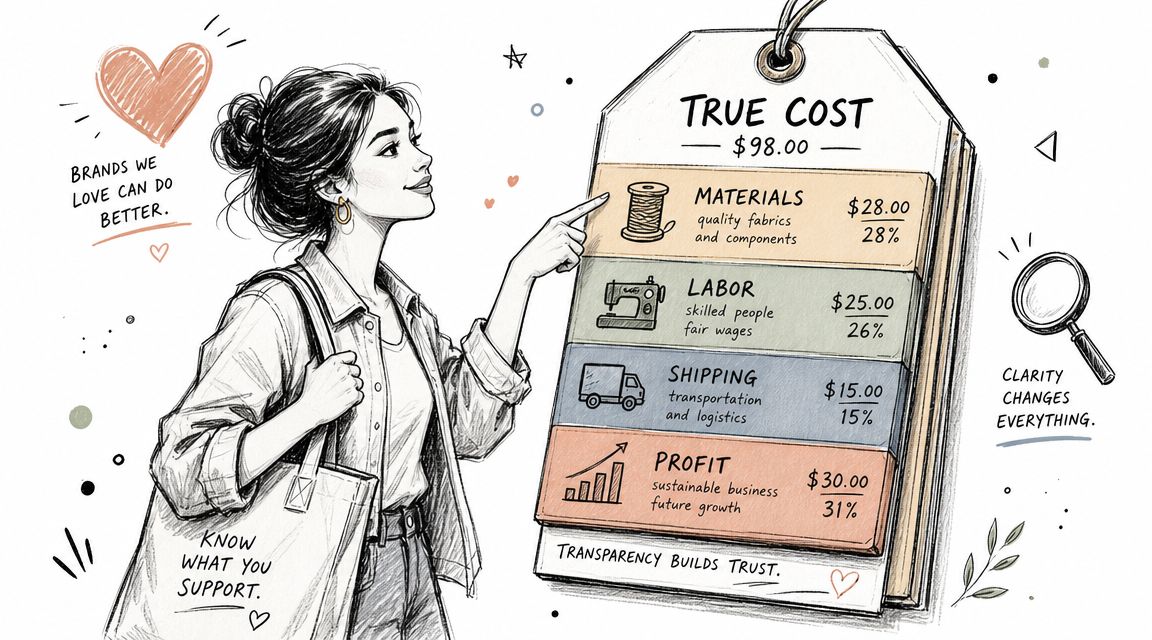
For shoppers
In economics, one of the big problems transparency tries to solve is information asymmetry. That's when the seller knows far more than the buyer. In healthcare, that imbalance is obvious, and one expert discussion cited a Fortune 50 employer that found it was paying 30% more for the same hospital services than competitors because prices were hidden, as described in this policy review on healthcare price transparency.
That example comes from a very different market, but the idea travels well. If you can't tell what one coffee, serum, or supplement includes compared with another, you can't compare them fairly. You may overpay for branding. Or skip something better because the higher price looks arbitrary.
Price transparency helps you ask better questions:
- What am I getting for this price
- What makes this version different from a cheaper one
- Is the maker explaining quality clearly, or hiding behind vague language
- Does the product fit what I care about, such as ingredients, sourcing, or production method
Practical rule: If you can't tell what a higher price is buying, you're not looking at a transparent offer yet.
That doesn't mean every maker needs a spreadsheet on the product page. It means you should be able to understand the basics without digging through fine print or decoding marketing language.
For makers
Independent brands often face a harder job than giant retail labels. They have to explain value without massive ad budgets, and they can't always compete on lowest price. Transparency gives them a better lane.
A maker who clearly explains ingredients, sourcing choices, or product construction helps the right customer self-select. The person who wants the cheapest possible option may move on. The person who cares about quality usually leans in.
That creates a stronger kind of loyalty because it starts with understanding, not impulse.
Here's a short example that makes the point concrete.
A transparent maker also lowers the chance of disappointment. If you explain that a coffee is low-acid and fruit-forward, or that a skincare formula focuses on a short ingredient list, you attract people who want that experience. That's better for the buyer and better for the brand.
Trust grows when details are usable
People don't build trust from slogans. They build it from details they can use.
A clear explanation of sourcing, flavor profile, product purpose, refill or reorder options, and what makes one item different from another does more than justify a price. It shows respect for the customer's judgment. And that's often what keeps someone coming back to buy directly from the maker.
How Price Transparency Works in the Real World
Price transparency can sound abstract until you see where it shows up. One of the clearest examples comes from healthcare, which is about as complex as pricing gets.
A high-stakes example
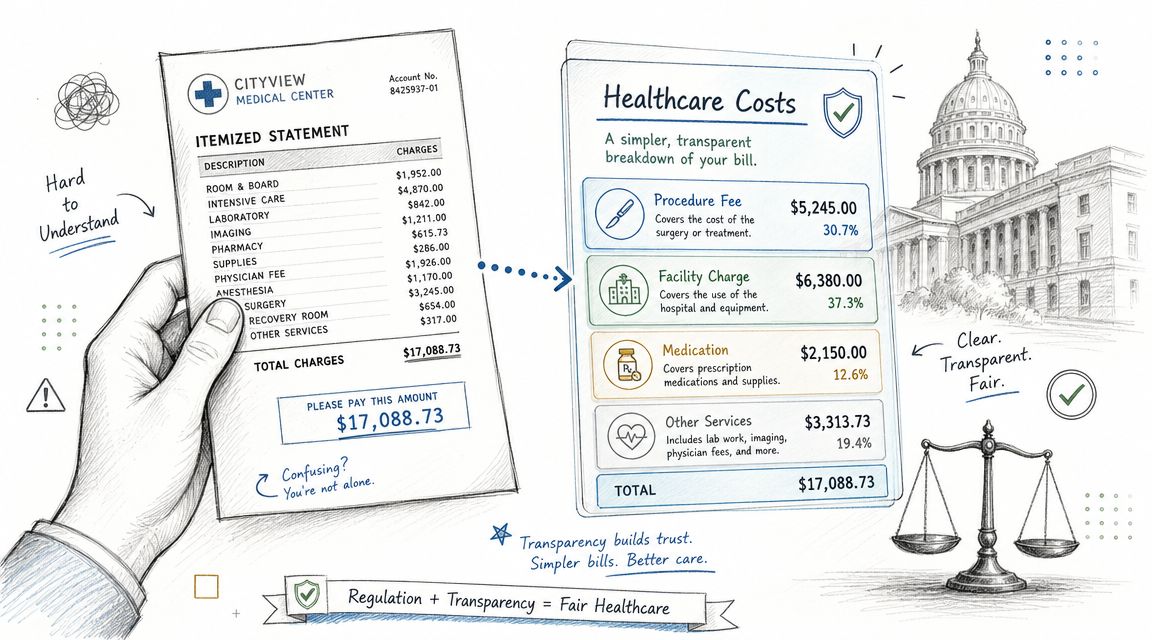
On January 1, 2021, a federal rule required U.S. hospitals to post clear pricing online so patients could compare costs before care, according to the Centers for Medicare & Medicaid Services hospital price transparency overview. That same CMS framework requires hospitals to disclose a machine-readable file and a consumer-friendly display of shoppable services.
The idea behind the rule is easy to understand. If people can't see prices before a decision, they can't shop effectively. If they can see them in a usable format, they have a better chance of comparing options.
That “usable format” part matters a lot. In practice, publishing data isn't always the same as making it useful. A KFF analysis described by CMS found that among 102 hospitals, only 35 provided some payer-negotiated rates in a machine-readable file, and comparison was still difficult because the information wasn't standardized enough. A 2024 Statista summary cited by CMS also reported that only 21% of surveyed hospitals were compliant as of November 2024. The lesson is clear. Transparency only helps when people can use the information.
What that looks like in everyday products
Now bring that idea back to your shopping cart.
A transparent coffee roaster doesn't just say “high quality.” They tell you whether a coffee is single-origin or a blend, whether it leans bright or chocolatey, whether it's low-acid or more punchy, and why that matters in the cup.
A transparent skincare maker does something similar. They explain what ingredients are doing, who the product is for, and what tradeoffs come with the formula. Maybe it uses fewer ingredients for sensitivity. Maybe the texture is richer because the formula is oil-based. Those details help you compare options in a real way.
A good rule of thumb is this:
| Question you have | Transparent answer looks like |
|---|---|
| Why does this cost more? | Clear details about ingredients, sourcing, process, or product differences |
| Is this right for me? | Specific use case, flavor profile, skin type, or expected experience |
| Can I compare this with another option? | Standard, easy-to-find product details instead of vague claims |
For makers selling directly online, that kind of clarity is often more useful than trying to sound polished. If you're building a direct channel, Sell on Loyaltie is one example of a platform where makers can present products and reach buyers without a middleman.
The core principle stays the same whether you're looking at a hospital service or a bag of coffee. Don't just show a number. Show a price in a way a person can understand and compare.
Simple Ways Makers Can Embrace Price Transparency
Most makers hear “price transparency” and worry it means exposing margins or publishing a full cost sheet. It doesn't have to mean that.
A better way to think about it is this. You're helping customers make a usable comparison. In healthcare policy, CMS requires disclosure of 300 shoppable services so users can benchmark common procedures, as discussed in this peer-reviewed summary of healthcare price transparency. For everyday products, the equivalent is giving people enough meaningful detail to compare value, not just stare at a price.
Show the inputs people can understand
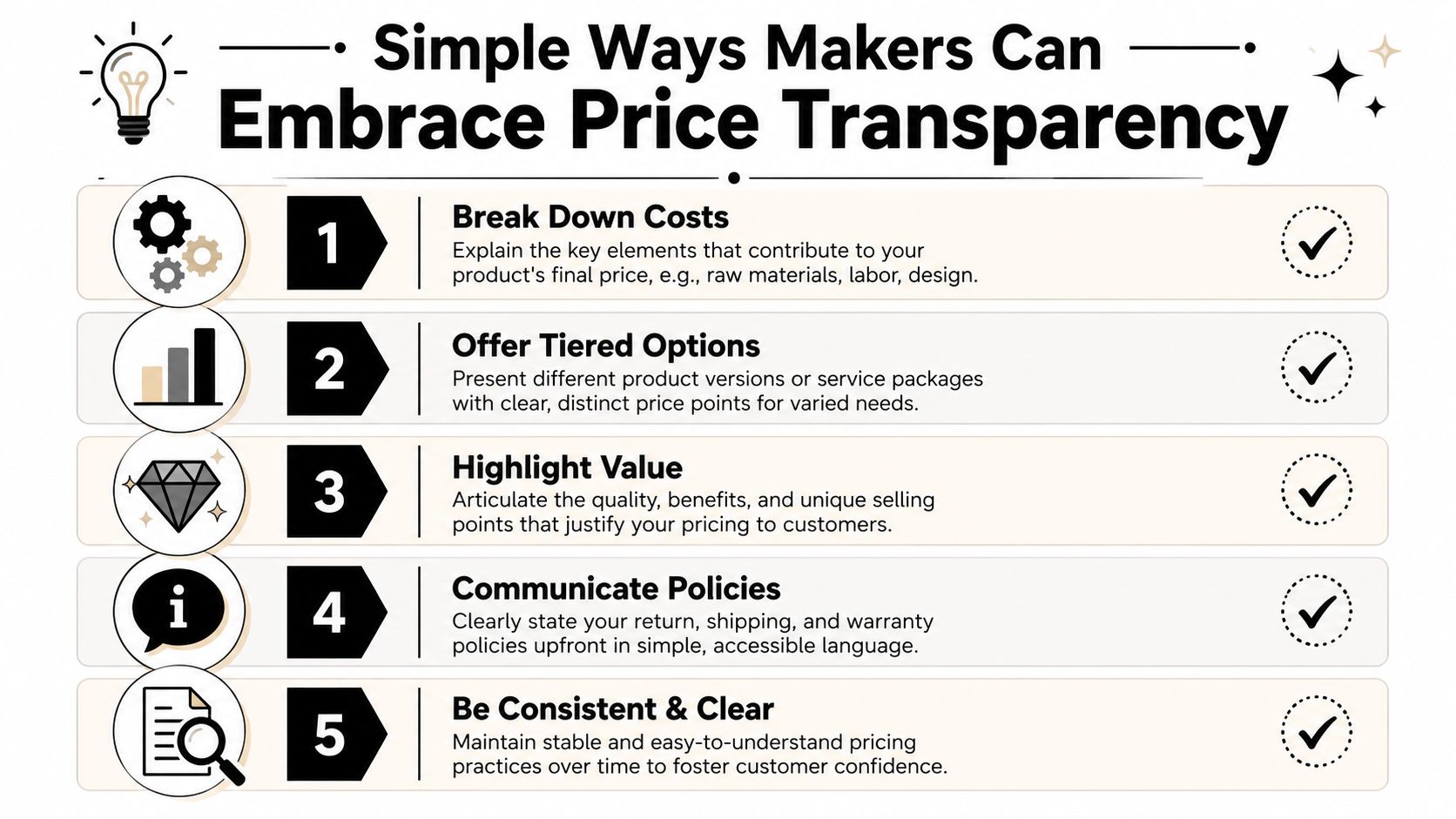
Customers don't need every internal number. They do need the pieces that affect their decision.
Try sharing:
- Ingredient choices such as origin, concentration, material quality, or why one input costs more than another
- Process details like roast style, curing time, production method, or batch approach
- Outcome-focused language that connects those choices to the experience of using the product
A short note like “single-origin beans for a distinct cup profile” is often more helpful than broad claims about excellence. The same goes for skincare, pantry goods, and wellness products.
People compare best when the details are specific, visible, and written in plain language.
Make comparison easier
Price transparency gets stronger when customers can compare options side by side without detective work.
You can do that by:
- Creating clear product tiers that explain who each option is for
- Keeping naming consistent so buyers understand the difference between variations
- Listing policy details upfront such as shipping timing, returns, or reorder terms
If you manage a larger catalog or you're trying to keep pricing logic organized across channels, it helps to understand must-have pricing software so your public pricing stays consistent and easier to maintain.
Keep the message consistent
One of the fastest ways to lose trust is to describe a product one way on a product page, another way on social media, and a third way in email.
Consistency matters more than polished language. A clear explanation repeated in the same terms helps buyers remember what makes your product distinct.
A simple checklist helps:
- Match product titles to descriptions so people know they're looking at the right item
- Use the same key details everywhere such as origin, intended use, or core ingredients
- Explain changes when they happen if a formula, sourcing input, or package format shifts
- Put the most useful facts first instead of burying them below lifestyle copy
If you want examples of how marketplaces and sellers organize educational content around selling directly, seller resources on Loyaltie are one place to study how buyer-facing clarity can support trust.
Find and Support Brands You Can Trust on Loyaltie
Once you start looking for price transparency, you see the difference quickly.
Some products hide behind mood, branding, and broad promises. Others tell you what they are, who made them, and why they cost what they cost. That second group is usually much easier to buy from with confidence. You're not just reacting to a price tag. You're making a more informed decision about quality.
That's especially useful when you shop everyday categories like coffee, skincare, food, supplements, or pet products. These aren't once-a-year purchases. They're repeat buys. The better you understand what you're getting, the easier it becomes to build a lineup of brands you trust.
Trust also depends on the buying experience itself. Clear terms, direct communication, and a sense of who stands behind the transaction all matter. If you're curious how buyer protection models work in online payments, this overview of understanding non-custodial escrow offers a useful way to think about secure transactions and confidence online.
A marketplace where people discover and buy directly from the best independent brands in the US can make this easier because it shortens the distance between you and the maker. Instead of scrolling through endless generic listings, you get a clearer path to products with real context behind them.
That's what Loyaltie is built for. It's a marketplace where people discover and buy directly from independent brands and local makers across the US. When you buy this way, you're often closer to the actual story behind the product, which makes it easier to tell whether the price reflects real value.
The good habit is simple. Look for brands that explain what the product is, what makes it different, and what you should expect from using it. Ask questions when something feels vague. And when a maker gives you clear answers, remember that. That's usually a strong sign you've found a brand worth reordering from.
If you want a simpler way to discover products with real people behind them, explore Loyaltie. It's a practical place to find and buy directly from independent brands in the US, with more context around what you're getting and why it's worth the price.