You know the feeling. You need more coffee, face wash, granola, or dog treats, so you open a giant shopping app or wander a store aisle. Everything starts to blur together. The packaging looks polished, but the products feel oddly generic, and you can't tell who made them, why they made them, or whether there's anything special about what you're buying.
A lot of people aren't looking for more stuff. They're looking for better everyday things. Better ingredients. Better taste. Better texture. Better transparency. Something made by real people who care about what ends up in your kitchen, bathroom, or pantry.
That's where direct to consumer starts to matter. Not as business jargon, but as a better way to shop. When you buy directly from the maker, you skip the usual middleman and get closer to the product itself. That often means a clearer story, a more personal buying experience, and access to independent brands you'd probably never find on a crowded shelf.
Table of Contents
- Start with the products you already reorder
- Use a few discovery channels on purpose
- Look for buying signals not just pretty branding
That Feeling You Want Something Better
Maybe it happens when you're buying coffee and every bag sounds the same. Maybe it's skincare, where half the products promise everything and explain nothing. Or maybe it's snacks, where the ingredient list tells you more about shelf life than flavor.
That frustration usually isn't about price alone. It's about distance. You feel far away from what you're buying. The product passed through so many hands, labels, and systems that it stopped feeling personal somewhere along the way.
A better option often appears when you stop shopping only through giant retailers and start buying directly from the people who make the product. You find roasters who explain their blends in plain language. Soap makers who tell you exactly what's in the bar. Tea brands that show who they are and what they care about.
Buying direct feels less like pulling a random box off a shelf and more like choosing something with context.
That's why marketplaces built around direct buying can be useful. Instead of digging through endless listings, you can browse a place like Loyaltie, a marketplace where people discover and buy directly from the best independent brands in the US.
The appeal isn't charity. It's quality.
When you buy from independent brands or local makers, you're often choosing products with more personality, more care, and less of that mass-market sameness. You're also more likely to remember where you bought it, who made it, and why you liked it in the first place. That changes the whole experience of shopping for everyday things.
What Direct to Consumer Actually Means
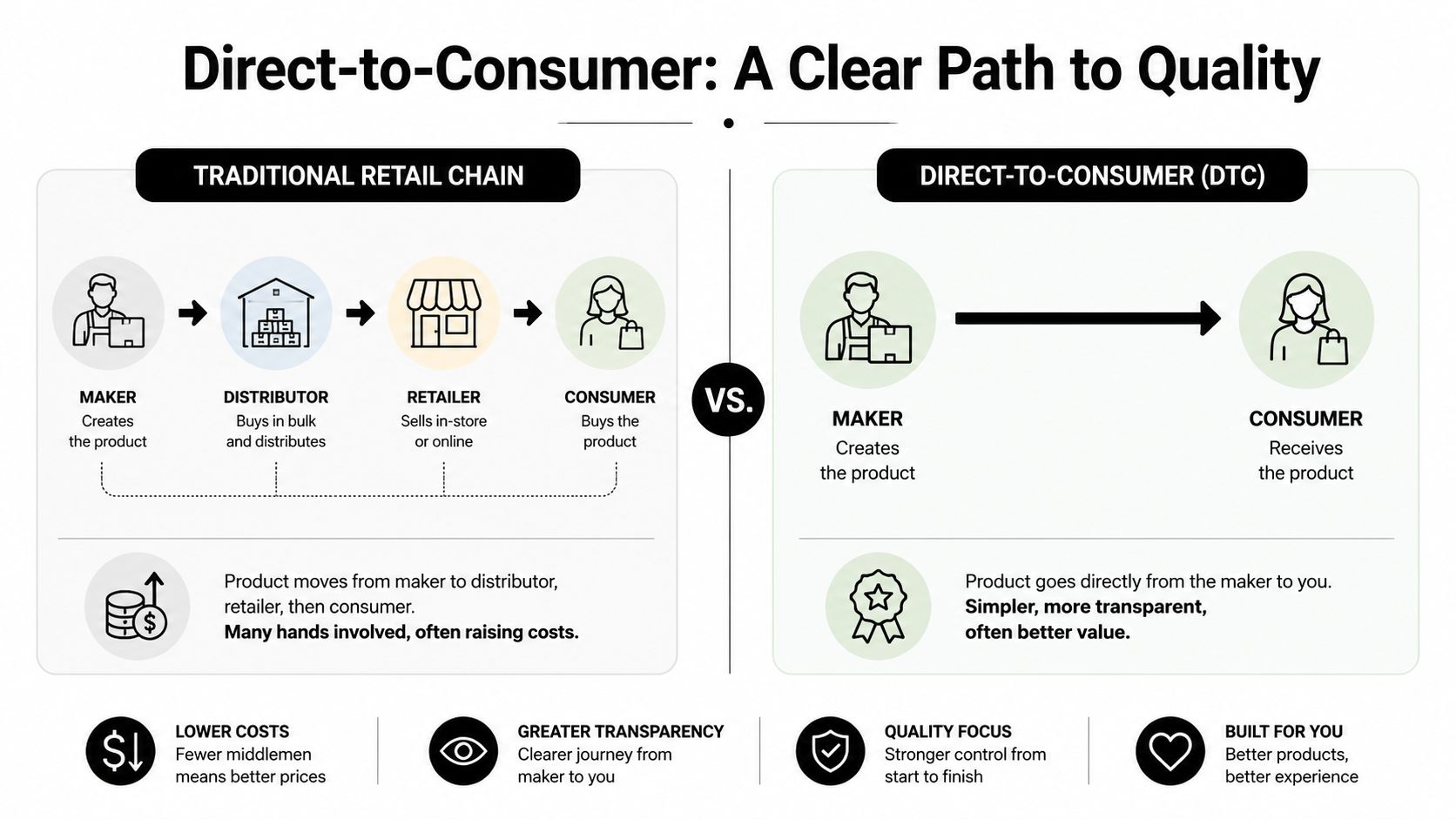
Direct to consumer, often shortened to DTC, means a brand sells directly to customers instead of going through third-party retailers, wholesalers, or distributors. That's the basic answer to the question, what is direct to consumer.
In plain terms, there's no middleman between the maker and you.
The simplest way to picture it
Think about buying tomatoes from a farmer at a market versus picking up tomatoes from a huge grocery chain.
At the market, you can often ask where they came from, how they were grown, and what makes one variety different from another. At the chain store, the tomatoes may still be fine, but the relationship is gone. You're buying an item, not learning from the person behind it.
DTC works the same way online and in modern retail. A brand sells through its own website, app, or owned store channel instead of handing that job off to a retailer. According to Wikipedia's overview of direct-to-consumer commerce, U.S. DTC e-commerce sales were over $128 billion in 2021, which shows this isn't a fringe shopping habit.
A simple food example helps. A product like Chunky Granola Variety Box, Oats & Belgian Dark Chocolate, Bakery-Style Crunch, 3-Pack + Free Mini Sample | HOMEMADE GRANOLA by Loyaltie is the kind of item you'd expect to see in a direct-buy setting: a 3-pack of extra-chunky, bakery-crunch granola with Signature, Belgian Dark Chocolate, and Floral Fig, made in small batches.
Why this matters to you
When people hear “direct to consumer,” they often assume it's mostly a business term. It is a business model, but for shoppers, the meaning is simpler. You're buying closer to the source.
That changes a few things:
- The maker controls the experience. They decide how the product is presented, described, and packaged.
- You get a straighter path to the product. Fewer layers usually means less confusion about who made it.
- You can form a real preference. If you love a certain tea, body butter, or granola, you can go back to the same maker instead of hoping a retailer still carries it.
Practical rule: If you can buy from the person or brand that actually made the product, you're shopping direct to consumer.
That's the heart of it. No middleman. More clarity. More connection.
Why You'll Love Buying Directly From Makers
Some shopping upgrades are small. Buying direct can feel bigger because it changes what you notice. You stop asking only, “Is this available?” and start asking, “Who made this, and do I want more from them?”
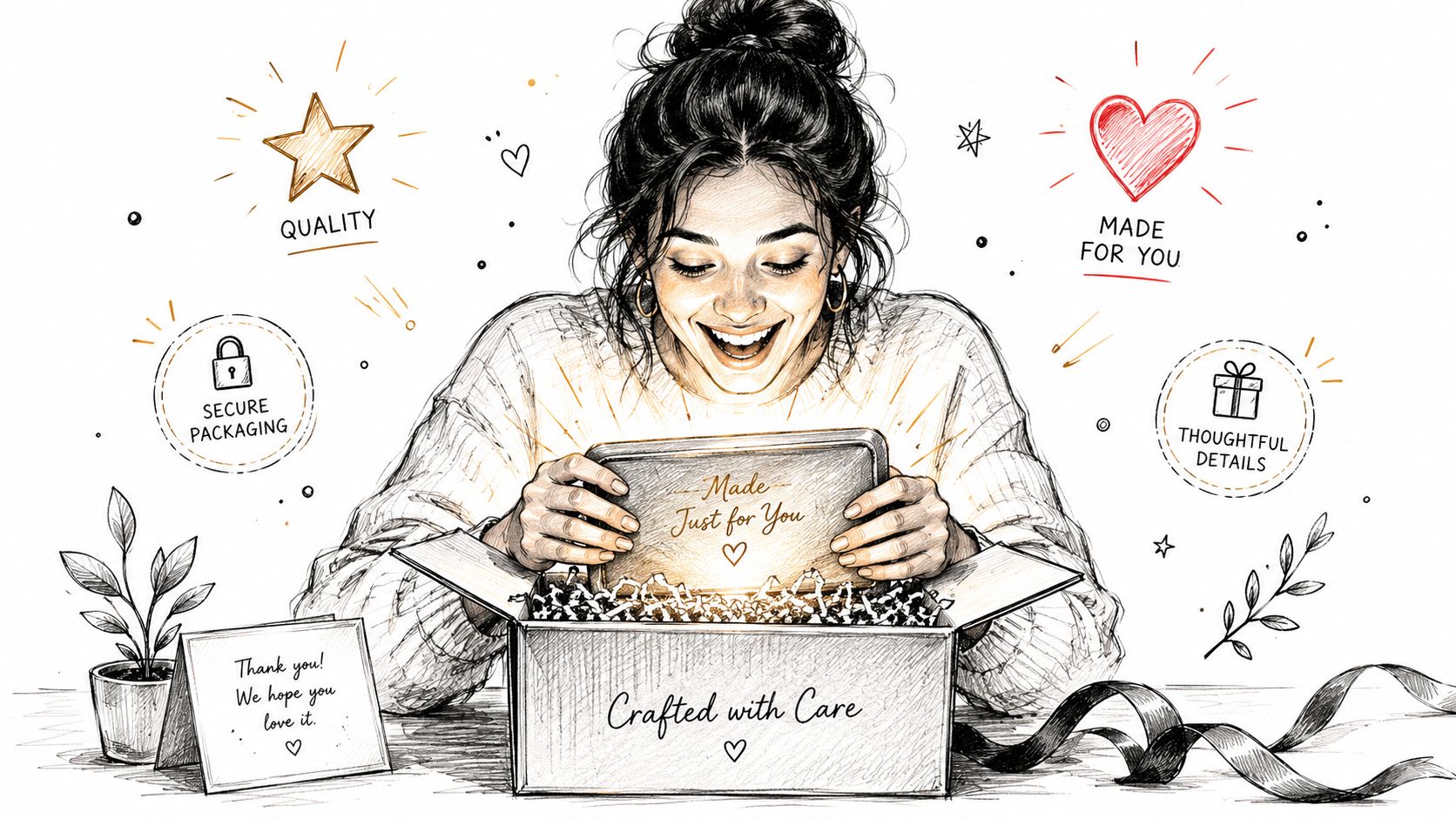
Recent data from Salesforce says 64% of consumers regularly buy directly from a brand or manufacturer's website, which points to a broad change in how people shop online, as noted in Salesforce's DTC guide.
You get a clearer product story
When you buy direct, product pages often tell you more than a retail shelf tag ever could. You can usually learn what's in something, how to use it, and what makes it different without digging through vague marketing language.
That's especially helpful in categories like:
- Coffee and tea: You can spot roast style, flavor notes, and brewing advice.
- Skincare and wellness: You can read ingredients in context, not just as a tiny list on the back.
- Food and snacks: You can find products with more character than the usual aisle options.
You also know where to go when you want to reorder. That sounds basic, but it matters. Once you find a maker you trust, buying on a plan or placing a repeat order becomes much easier.
You often find things big retailers miss
Retail shelves reward broad appeal. Independent brands can afford to be more specific.
That's where direct shopping gets fun. You find a hot sauce with a weird-but-great flavor combo. A soap that smells like real citrus instead of generic “freshness.” A pet product made by people who clearly obsessed over the details. Those products don't always fit neatly into mass retail, but they're often exactly what a thoughtful shopper wants.
A good way to think about it is customer experience. Not the buzzword version. The actual version. Is the site easy to understand? Does the maker answer obvious questions? Does the whole process feel considered? If you want a useful framework for that, NanoPIM's approach to customer experience breaks down what makes online shopping feel smoother and more trustworthy.
The best direct-buy brands don't just sell you a product. They remove friction, answer questions, and make it easy to come back.
That's why buying direct can feel like a quality upgrade even before the package arrives.
The Other Side Why Makers Choose This Path
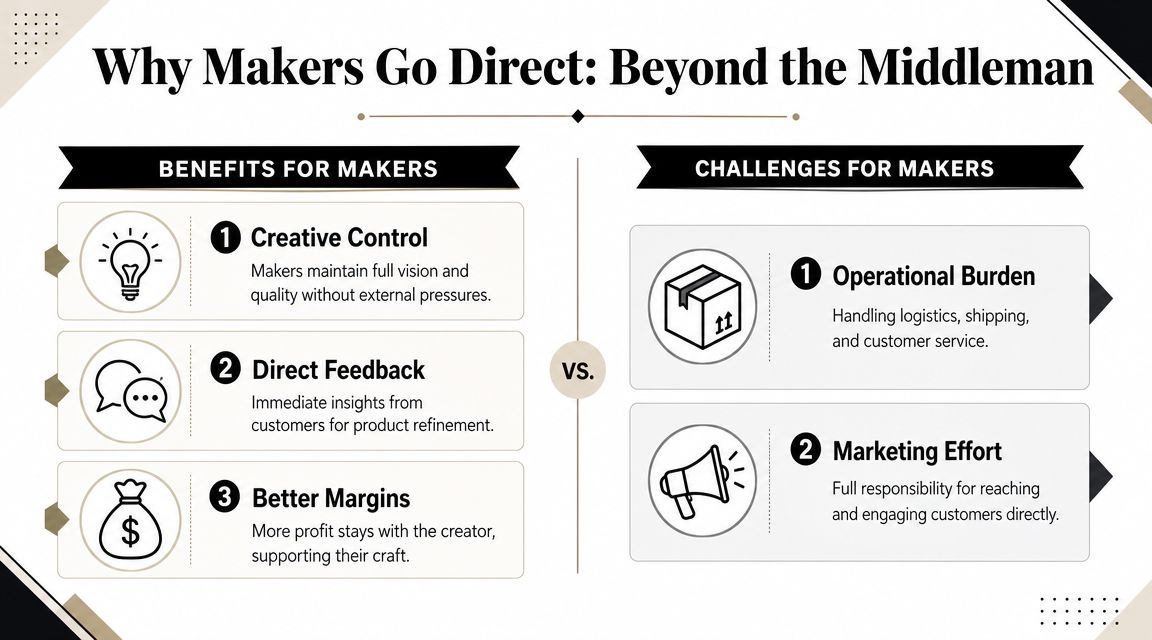
When a maker chooses direct to consumer, they're not only choosing a sales channel. They're choosing how much of the product story stays in their own hands.
Control matters more than people realize
The key idea here is disintermediation, which means removing the middlemen. As explained in CDP's DTC glossary, that lets brands own the customer relationship and the data that would usually sit with a retailer, so they can improve products and personalize the experience based on direct feedback.
For the shopper, that often shows up in small but meaningful ways. Product descriptions sound more informed. Packaging reflects the brand's actual voice. The maker learns what customers ask, what they love, and what confuses them, then adjusts.
That's a big reason many makers stick with direct selling even when it's harder. They want room to protect quality, explain their choices, and build a relationship with the people buying from them.
If you're curious about the business side of that effort, this overview of strategies for DTC brands gives a helpful look at how brands think about reaching customers without a retail middleman.
It also asks more from the maker
Direct selling isn't effortless. The maker has to handle more of the work that a retailer would normally absorb.
A few examples:
- Shipping and fulfillment: Someone has to pack the order and get it out the door.
- Customer questions: If something goes wrong, the brand has to respond well.
- Visibility: The maker has to help people discover the product in the first place.
That's why not every brand takes this path, and why the ones that do often care extensively about the full customer experience. If you want to see how a platform frames that maker side, Sell on Loyaltie explains how independent brands can reach local buyers online.
Understanding this side of DTC makes the shopping experience more interesting. You're not just seeing a product. You're seeing the result of a maker choosing control, closeness, and responsibility over distance.
How to Find and Buy From Independent Brands
The good news is you don't have to change your whole life to shop more directly. You just need a better starting point.
According to BigCommerce's DTC overview, DTC sales were expected to exceed $150 billion in 2022. For shoppers, the takeaway is simple: there's a huge ecosystem of direct-from-maker products out there. You're not limited to a few trendy brands.
Start with the products you already reorder
Don't begin with everything. Start with one category where you already care.
Good candidates include:
- Coffee: Easy to compare, easy to notice freshness and flavor.
- Skincare: A category where ingredients and trust matter a lot.
- Snacks or pantry staples: You use them often, so it's easy to tell when something is better.
- Wellness products: Buying direct can make it easier to understand what you're getting.
- Pet products: People tend to research these carefully and stay loyal once they find a good fit.
Pick one item you buy regularly, then look for a direct-from-maker alternative.
Use a few discovery channels on purpose
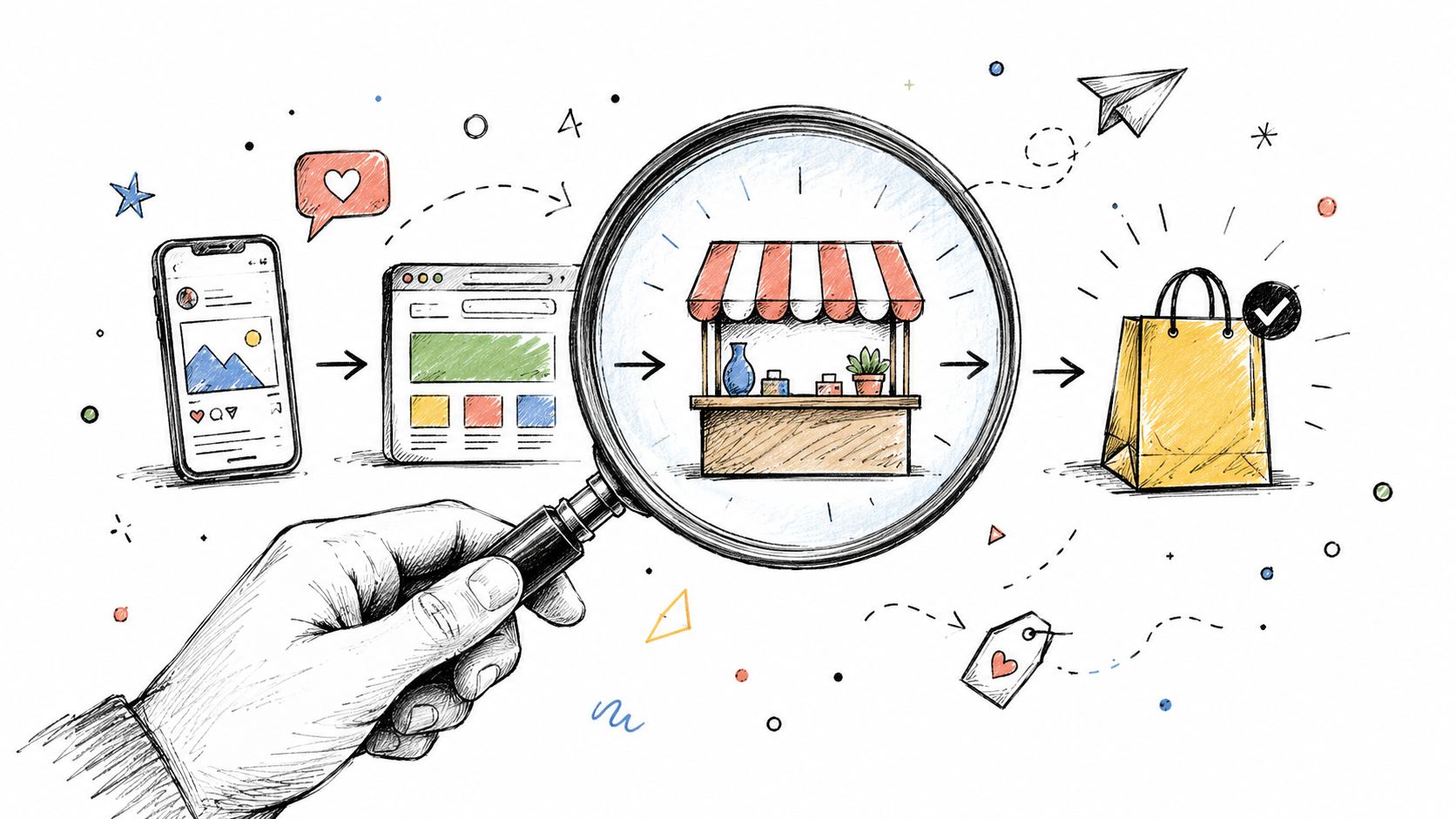
You don't need a complicated hunt. A few methods work well:
Search social media by product type
Look for makers showing the product, the process, and the people behind it.Check local markets and pop-ups
Even if you first discover a maker in person, you can often reorder online later.Browse a marketplace built for direct buying
If you want one place to explore across categories, shop independent brands on Loyaltie and compare products from makers selling directly to customers.
Here's a quick visual overview before you start browsing deeper.
Look for buying signals not just pretty branding
A polished brand can still be confusing. What you want are signs that help you trust the purchase.
| What to check | Why it matters |
|---|---|
| Clear ingredient or material details | You can tell what you're actually buying |
| Straightforward product photos | You get a better sense of size, texture, and use |
| A real brand voice | It usually signals that the maker knows the product well |
| Reorder-friendly setup | Helpful if you plan to buy on a regular delivery plan |
| Contact or support info | Good to know before you place your first order |
A good direct-buy brand makes you feel informed, not pressured.
Once you start looking this way, shopping gets more enjoyable. You're not only filtering by price or convenience. You're finding products that feel more intentional and more worth bringing into your routine.
Finding What Feels Good to Buy
Buying direct doesn't have to become a grand personal mission. It can start with one swap.
Try your coffee. Or your granola. Or the soap you keep meaning to replace with something better. Choose one everyday item and buy it directly from the maker instead of grabbing the default option again.
That small shift often changes more than you expect. You notice the product more. You remember where it came from. You feel closer to what you buy and less stuck in the blur of mass-produced choices.
That's the appeal of direct to consumer for shoppers. It gives you a way to find better products made by real people, with no middleman between you and the thing you want.
Common Questions About Buying Direct
A few practical questions usually come up once you start exploring this way of shopping.
Frequently Asked Questions About DTC Shopping
| Question | Answer |
|---|---|
| Is buying direct always cheaper? | Not always. The better question is whether it offers better value. You may get a more distinctive product, clearer information, and a smoother reorder experience. |
| What if there's a problem with my order? | One upside of buying direct is that you're often dealing closer to the source. That can make communication simpler because you're not bouncing between a retailer and a brand. |
| Is DTC only online? | No. Many direct-to-consumer brands sell mainly through their own websites, apps, or owned channels, but some also have physical stores or in-person market presence. |
| Does direct to consumer only apply to trendy brands? | Not at all. It works across everyday categories like food, beauty, wellness, pet products, and household staples. |
| How do I know if a brand is worth trying? | Look for clarity. Read the product details, check how the maker explains the item, and see whether the overall experience feels thoughtful and easy to trust. |
If you've been asking what is direct to consumer because the term sounded technical, the shopper version is simple. It means buying straight from the brand or maker instead of through a retail middleman.
That simple change can lead you to products with more character, more transparency, and a much more satisfying buying experience.
If you want a simple place to start, browse Loyaltie, a marketplace where people discover and buy directly from the best independent brands in the US. It's a practical way to explore better everyday products from real makers without relying on the usual mass-market shelves.