

You can tell when shipping is getting away from you. A jar arrives cracked, a serum lands late, a customer emails asking where the box is, and suddenly the cheapest label on the spreadsheet looks expensive. If you're buying coffee, skincare, supplements, pet products, or food from independent brands, shipping shouldn't feel like a gamble, because the delivery experience is part of the product.
The right small business shipping solutions are the ones that fit what you sell and the trust you need to keep. A broken bottle costs more than the label saved. A late gift box can cost the whole order. That's why the smartest founders stop asking only, “What's the cheapest carrier?” and start asking, “What gets this specific product to this customer in one piece, on time, without drama?”
Table of Contents
Why Shipping Costs Matter Now
Start with a 10-minute audit of your last 90 days of orders. Pull the data by destination zone, package weight, promised service level, and whether the order was returned, damaged, or resent. That is the fastest way to see whether shipping is helping margins or steadily eating them.
Shipping cost is not a back-office line item anymore. In Shippo's 2023 State of Shipping report, the #1 challenge for ecommerce merchants was the cost of shipping, and 44% said they spend more than 11% of an order's total value on shipping (Shippo's 2023 State of Shipping report). That is the kind of leakage that turns a decent month into a weak one.
For local and DTC makers, the cost is not just the label. A damaged jar of salsa, a broken bottle of serum, or a late box of supplements can trigger refunds, replacements, support tickets, and lost repeat orders. The cheapest rate means nothing if it creates trust problems.
What to look for in the first pass
Practical rule: If you cannot explain where your shipping money goes by zone and package type, you are not managing shipping, you are just paying invoices.
Look for orders that seem profitable until you include packaging, fuel surcharges, and the time spent fixing problems. Then split your shipments into a few simple buckets. Heavy orders, fragile orders, short-zone orders, and long-zone orders usually tell you more than a giant spreadsheet full of carrier names.
A good outside reference for the same mindset is AUSFF shipping tips for e-commerce sellers, which reinforces the habit of comparing the actual delivery cost, not just the label rate. That is the habit that keeps you from chasing a cheap option that creates more support work later.
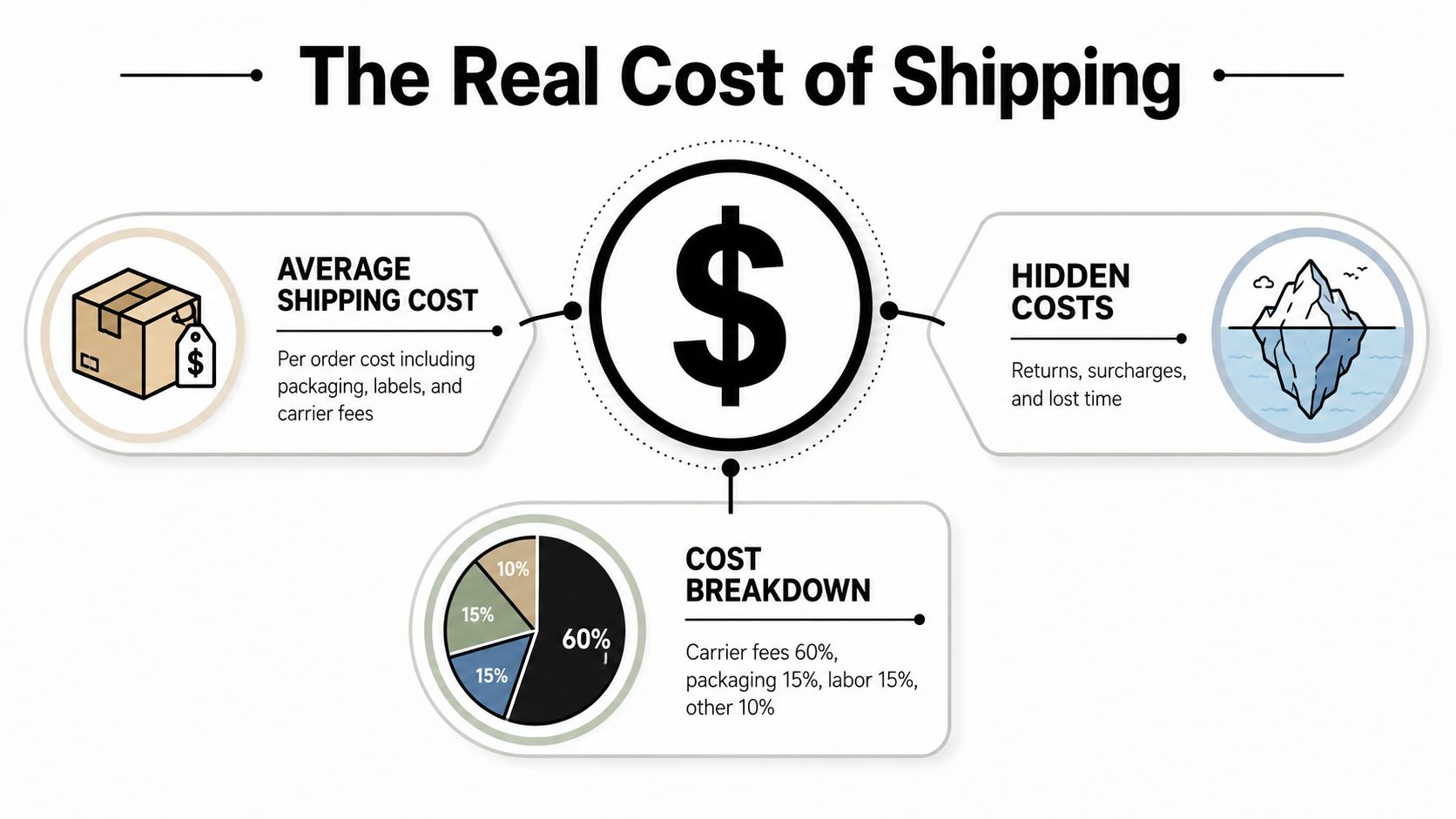
The point of this audit is simple. You need a baseline before you change anything else. Once you know your actual shipping mix, every decision after that gets easier, because you are comparing options against reality instead of guessing.
Matching Carriers and Fulfillment to Your Products
The first bad decision I see is picking a carrier because it's familiar, not because it fits the product. Coffee, skincare, supplements, pet food, and shelf-stable food behave differently once they leave the warehouse. A shipping setup that treats every order the same ends up wasting money on some shipments and leaving others exposed to damage, delays, or both.
Use product type as the first filter
Start with what the product needs in transit, then choose the carrier and fulfillment model around that. SCORE's guidance points to urgency, cargo density, the cost of a late delivery, and whether shipments can be grouped into fewer moves, which is the right way to think about it (SCORE guidance). If the product is fragile or temperature-sensitive, the cheapest label is the wrong priority. If the product is dense and durable, you can push harder on rate shopping and consolidation.
| Product type | Best shipping mode | Why it fits |
|---|---|---|
| Heavy ambient goods | Consolidated parcel or freight | Dense orders can often move more cheaply when you group them and avoid unnecessary split shipments |
| Fragile glass bottles | Careful parcel with strong packaging | Protection matters more than chasing the lowest base rate |
| Coffee and shelf-stable food | National carrier or regional carrier, depending on zone mix | Fast enough for freshness, without paying for overbuilt service on every order |
| Skincare and supplements | Parcel with tracking and predictable delivery windows | Trust depends on condition and arrival timing |
| Local same-day orders | Local couriers | They're built for speed and tight handoff windows |
| Mixed inventory or growing volume | 3PL with carrier flexibility | Outsourcing can simplify the mess when order volume and SKU count start to stretch your team |
For brands that want a marketplace layer on top of direct shipping, Sell on Loyaltie gives you a place to reach buyers who already want to discover and buy directly from independent brands in the US, while you keep the logistics setup focused on the products you ship.
The strongest setup usually has three parts, a primary carrier for most orders, a backup for edge cases, and one local option for nearby customers who care more about speed than national-network consistency.
If you ship fragile wellness goods, one late or damaged order can erase the savings from a cheaper label. That's why carrier choice should follow product risk and customer trust, not carrier reputation alone.
Packaging and Labeling That Protects Your Products and Margins
Boxes feel boring until a customer sends you a photo of a broken bottle. Then packaging becomes a profit center, because the wrong box, too much empty space, or sloppy labeling can create a return, a replacement, and a support thread you didn't need.
Right-size before you decorate
Right-sized packaging is one of the clearest ways to avoid avoidable surcharges, especially when dimensional weight starts working against you. That's why packaging should be chosen around the product, not the shelf. A snug, protective box usually beats a bigger branded box that looks nice but ships badly.
Use materials that match the product's weakness. Fragile jars need more cushioning, liquid skincare needs leak protection, and food products need packaging that keeps the order stable from the warehouse to the doorstep. USPS's guidance on invoice analysis and surcharge review is useful here because it reminds you to look beyond the label rate and review the full charge line by line (USPS shipping guidance discussed in SCORE's article).
Label for speed, accuracy, and fewer claims
Practical rule: The fastest warehouse is the one that makes the fewest avoidable decisions at the packing table.
A clear label, a visible return label, and a simple fragile marker can prevent a lot of downstream friction. I'd rather spend 15 extra seconds on an order than 15 minutes answering a damage complaint later. That's especially true for personal-care and food items, where the condition of the box changes how the product feels before it's even opened.
Custom-branded unboxing has a place, but don't let it crowd out protection. If the branding raises your shipping cost more than it raises repeat buying, it's decoration, not strategy. For everyday products, function wins first.
Keep your packaging rules simple enough that a new packer can follow them without asking. The more your team improvises, the more your shipping cost drifts.
Setting Prices, Zones, and Delivery Promises You Can Keep
Free shipping sounds friendly until it eats the margin you needed to reorder inventory. The better move is to tie pricing to your actual shipping profile, then make promises you can keep consistently. Customers usually forgive a fair fee. They don't forgive a delivery promise that slips without warning.
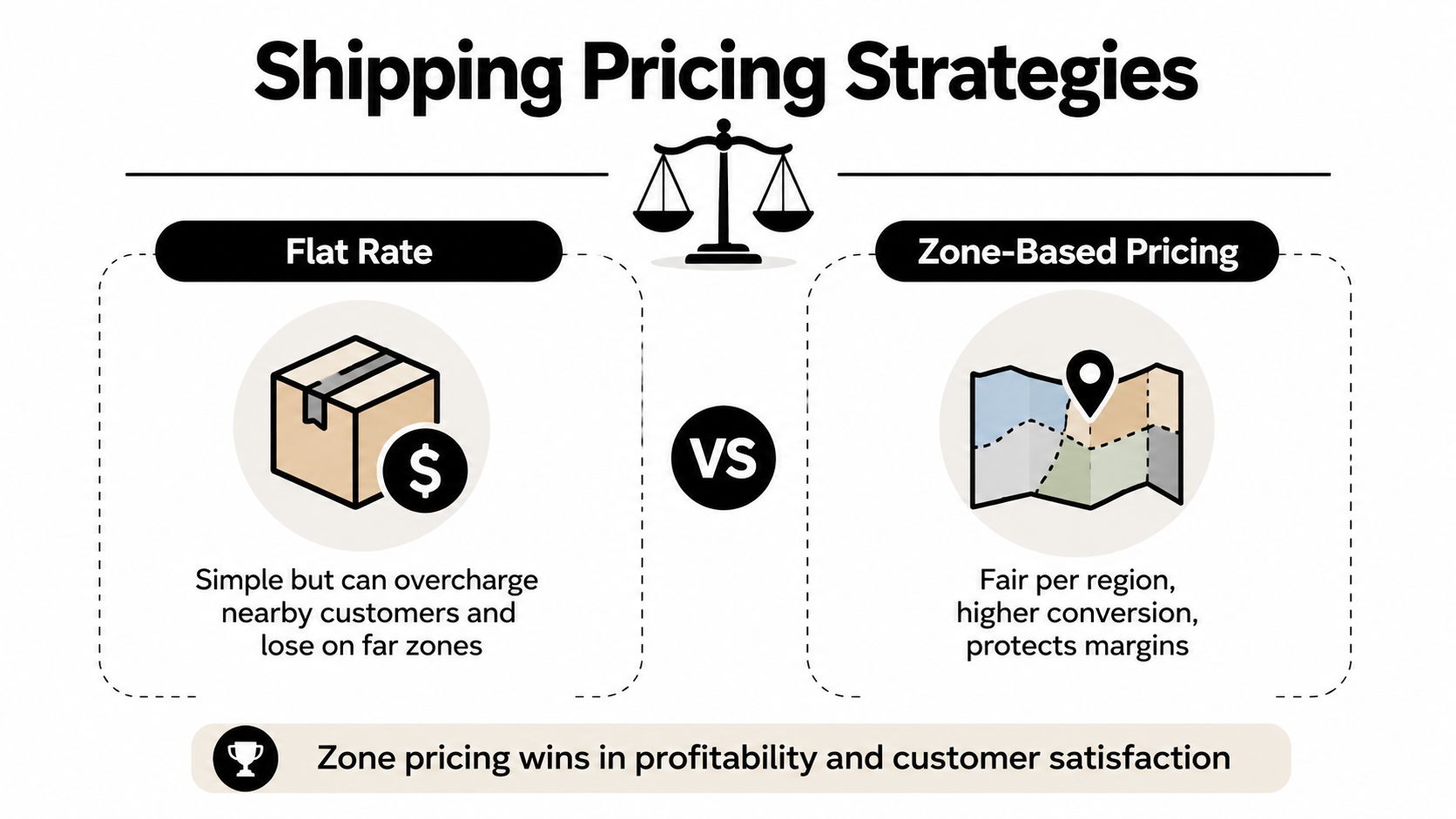
Build the policy around your average order
If most of your orders are light and similar, a flat rate can be simple. If your orders vary by weight or destination, zone-based pricing usually protects you better because it tracks cost more closely to reality. The key is to stop pretending every order behaves the same way.
Shipping reliability also affects checkout performance, because one retail shipping article says 70% of online shoppers say free shipping is key, and 86% of abandoned carts are due to shipping issues (ParcelPath shipping article). That's a reminder that your policy isn't just a finance decision, it's a conversion decision too.
Set promises you can actually hit
Don't promise speed you can't support from your warehouse. If you know certain zones take longer, say so. If a product is fragile, build in the handling time you actually need. That honesty lowers support volume and makes the buyer trust the next checkout more.
For a practical example, think about a Vacuum Insulated Stainless Steel Travel Mug, Powder Coated, Cup Holder Friendly, 20 oz, Clear Lid | My Beautiful Fluff by Loyaltie. The snapshot says it's a 20oz stainless steel, double-wall vacuum insulated travel mug that fits most cup holders, with a durable powder-coated finish that resists everyday wear. That kind of product can usually tolerate standard parcel handling better than a fragile glass item, which is exactly why product type should shape the shipping promise.
Software, Marketplaces, and Automation That Save You Hours
You do not need a bloated tech stack to ship well. You need one place to compare rates, print labels, validate addresses, and stop doing the same admin work for every order. The goal is not to look advanced. The goal is to keep shipping lean enough that it does not eat your day.
Start with the lightest stack that works
A multi-carrier setup makes sense when your products vary in size, fragility, or destination. The shipping software should handle the messy parts without making your team babysit every order. One uShip's 2020 SMB Shipping Strategy Report found that SMB decision makers were planning to raise shipping spend, put more focus on new technology, and move some volume away from traditional shipping options. It also showed that many operators still struggled to find alternative shipping options, which is exactly the kind of friction that slows down a small warehouse.
If you are comparing shipping software, the only question that matters is whether it saves time after the first month. A resource like Haulier.AI as Flexport alternative is useful for thinking through stack trade-offs, but I would keep the standard simple. Rate shopping, batch label printing, tracking, and address validation are the baseline. If a platform cannot do those cleanly, skip it.
Use marketplaces and automation for trust, not clutter
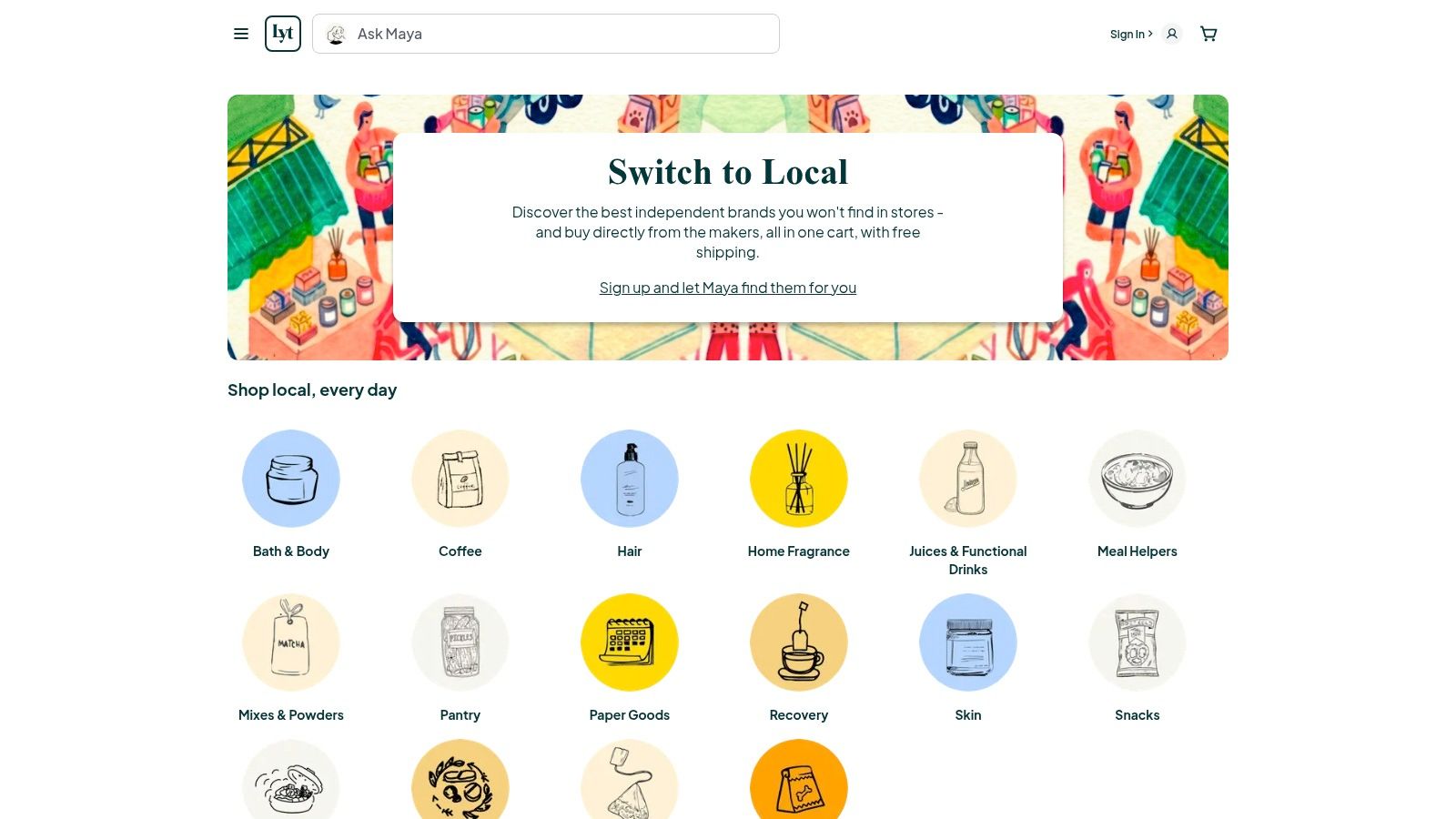
A marketplace layer can help buyers discover independent brands while keeping checkout simple. On the seller side, https://loyaltie.com/sell/resources is the place to look for straightforward guidance on reaching local audiences without turning shipping into a software project.
Automation should do boring work, not create new cleanup. Route each package to the lowest-cost service that still meets the delivery promise, print labels in batches, and stop typing the same address twice. That is how you save hours without building a brittle system that only one person understands.
If your shipping software creates more work than it removes, you bought complexity, not leverage.
The right stack reduces decisions. Anything else is overhead wearing a dashboard.
Returns and the Customer Experience Around the Box
The minute a package shows up broken, melted, or late, the customer stops caring about your brand story and starts wondering whether you will make it right. Shipping either builds trust or destroys it. I have watched a clean delivery turn into repeat business, and I have watched one messy return process turn a neutral buyer into a lost customer.
A good flow is simple. The buyer gets a tracking message. The package arrives on time. If something goes wrong, they know exactly where to go and what happens next. That clarity matters more than a polished apology.
If the box is damaged, do not make the customer fight for a fix. If the item is perishable or temperature-sensitive, have the policy ready before you need it. For food, wellness, skincare, and pet products, one bad experience can cost more than the freight bill itself.
Clear policies calm people down faster than long explanations.
Proactive tracking messages matter for the same reason. They cut support tickets because the buyer does not have to ask for a status update you should have sent already. A good shipping setup should keep the customer informed without forcing your team to handhold every step.
Returns should be easy to understand. Spell out how damage is handled, what counts as a shipping issue, and what the buyer should do when something is wrong. The brands that get this right do more than process refunds. They protect the trust that makes the next order possible.
A Simple Plan to Cut Shipping Costs Without Hurting Service
Don't overhaul everything. That's the mistake teams make when shipping starts to feel expensive. Fix the one or two things that move the most money, then measure whether service stayed strong. The cleanest wins usually come from packaging, carrier selection, and a single delivery promise you can defend.
Run this 30-day checklist
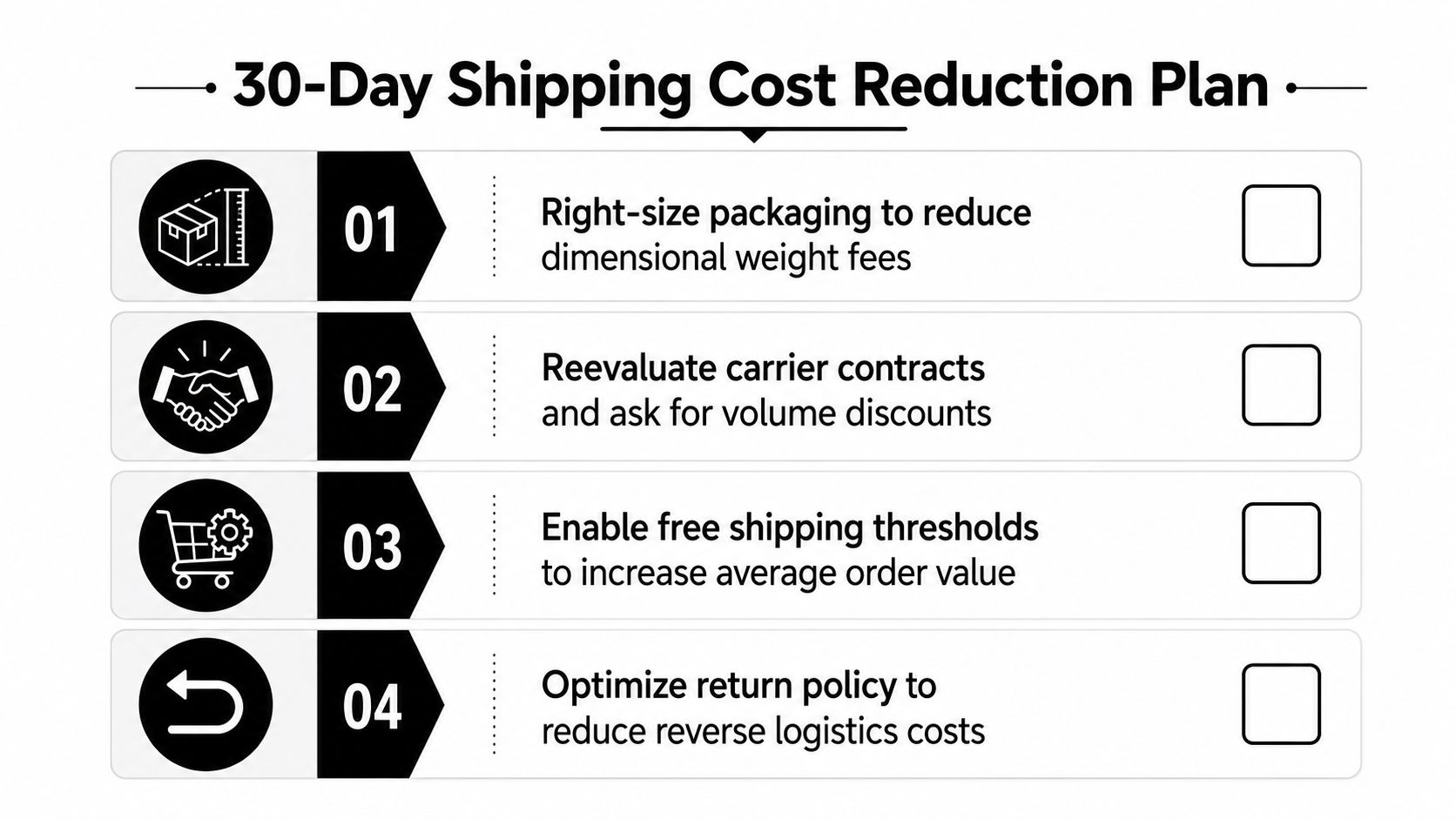
- Right-size packaging. Reduce dimensional waste and stop paying for empty space.
- Reevaluate one carrier account. Ask for better terms on the lane you use most.
- Turn on rate shopping. Let software pick the cheapest option that still hits the delivery promise.
- Tighten your return policy. Cut reverse logistics surprises before they compound.
The evidence for this approach is already in the benchmarks. A practical performance target is shipping cost at roughly 8% to 12% of revenue, on-time delivery at 95% or higher, and error rates under 0.5% as an operational goal (Gobolt ecommerce shipping guidance). I'd treat those as directionally useful, not a badge of honor. If you're nowhere near them, fix the obvious leaks first.
For a deeper playbook on cost control, FLYP LTD cost reduction guide is worth a look. It lines up with the same practical truth, which is that small improvements in packaging, routing, and policy discipline usually beat dramatic replatforming.
If you do only one thing this week, audit the last 90 days and fix the shipment type that hurts you most. That's how you get shipping under control without wrecking the customer experience.
Loyaltie gives you a marketplace where people discover and buy directly from the best independent brands in the US, which matters when the product and the delivery both have to earn trust. If you're building around better coffee, skincare, food, supplements, or pet products, visit Loyaltie and see how direct buying can fit into a cleaner, more reliable shipping setup.