
You've put real care into your product. Maybe it's a coffee blend you roast in small batches, a turmeric soap you tested again and again, or a wellness item you'd happily use in your own home. But when sales feel uneven, it's easy to wonder if the problem is the product.
Usually, it isn't.
Most shoppers can't smell your soap, taste your honey, or ask you a question across a market table. Online, they need another kind of proof. That's where product reviews and ratings do their best work. They help strangers feel like they're hearing from a real customer instead of reading another sales pitch.
For independent brands and local makers, that matters even more. You're not trying to out-shout a giant retailer. You're helping someone understand why buying directly from the maker gives them a better product, a clearer story, and more confidence in what they're bringing home.
Table of Contents
- A small number of strong reviews can carry a lot of weight
- Specific feedback builds trust faster than a perfect-looking score
- Reviews help tell your quality story in the customer's words
- Ask after the product has had time to work
- Make the request feel personal
- Simple Email Templates for Requesting Reviews
- A few prompts that get better answers
- Why review language helps people find you
- Why steady review activity helps
- Why replies support visibility too
Your Customer Is Your Best Storyteller
A maker spends hours perfecting a formula, dialing in ingredients, testing packaging, and answering customer questions. Then a new visitor lands on the product page and hesitates. They don't know the care behind the product yet. They only know what they can see in a few seconds.
That's why reviews matter so much. They translate your standards into everyday language buyers trust.
A customer might write, “I've tried a lot of natural soaps, but this one didn't leave my skin tight,” or “I reordered because the scent was gentle and the bar lasted longer than I expected.” That kind of feedback does something your own product copy can't. It shows how the item fits into a real person's life.
Why this hits differently for independent makers
People already expect more personal care when they buy from independent sellers. According to the Institute for Local Self-Reliance survey findings, 96% of respondents said independent retailers provide better and more personalized service than chain stores, and 70% said independent sellers have more expertise and knowledge about the goods they provide.
That lines up with what many buyers already feel. When they buy directly from the maker, they expect real answers, better product knowledge, and more thoughtful quality.
Buyers don't just want proof that a product exists. They want proof that it works for someone like them.
Reviews carry your quality story forward
For a chain store, a review may be one more data point. For a local maker, it often becomes the missing bridge between curiosity and trust.
A strong review can show:
- How the product performs in daily life, not just on the label
- What kind of person it suits, such as someone with sensitive skin or a picky pet
- Why the quality feels worth it, especially when your product costs more than a mass-produced version
That last point matters. You're not asking people to “support” you out of kindness. You're giving them a better alternative, and your customers often explain that more clearly than you can.
Why Great Reviews Matter More For You
A shopper lands on your product page after hearing about your brand at a market, on Instagram, or from a friend. They like what they see. The ingredients look thoughtful. The photos feel honest. The price makes sense for a carefully made product. Then they pause.
That pause is where reviews do some of their best work.
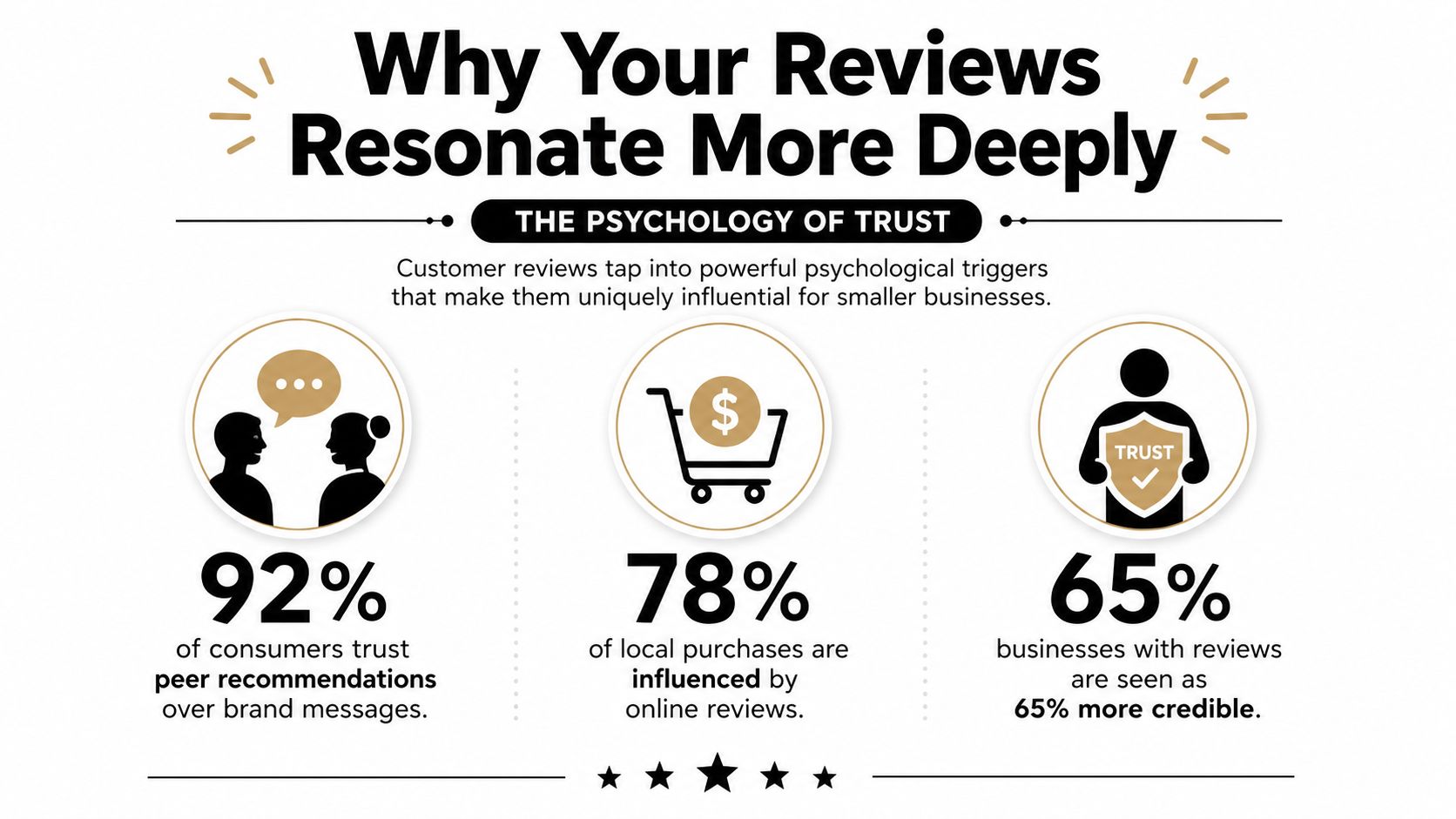
Big retailers already come with built-in familiarity. Independent makers usually do not. Your reviews help a new customer answer a more personal question: “Can I trust this enough to bring it into my home, my routine, or my body?”
A small number of strong reviews can carry a lot of weight
For an independent brand, the first few thoughtful reviews often matter more than people expect. They work like the sample table at a market. One good taste does not explain your whole business, but it gives someone enough confidence to keep going.
A detailed review can answer the quiet questions that stop a sale:
- Does this feel worth the price once it arrives
- Is the quality as good in real life as it looks online
- How does it fit into a daily routine
- Would this customer reorder it
Those questions matter even more for makers selling food, wellness goods, skincare, and other products that feel personal. Buyers are not only judging features. They are judging comfort, trust, and whether your standards match their own.
Specific feedback builds trust faster than a perfect-looking score
Shoppers do notice star ratings. What often helps them decide is the comment underneath.
A page full of short five-star reviews can feel neat, but not very informative. A review with real detail gives a buyer something better. It gives context. For a skincare maker, that might be a note about texture, scent, or how the product layered with another routine item. For a food brand, it might be a comment about freshness, portion size, or whether the flavor felt balanced rather than overly sweet.
That kind of review works like a friend explaining why they liked something, not a badge pasted onto a page.
Practical rule: Aim for honest, useful reviews that describe experience, quality, and fit. Those are the reviews that help the next customer say yes with confidence.
If you want a practical outside look at how reviews influence buying decisions across small businesses, DigiVisi Ltd on boosting business reviews offers a helpful overview.
Reviews help tell your quality story in the customer's words
As the maker, you can explain your sourcing, process, and standards. You should. But customer reviews add a kind of proof you cannot write for yourself.
They show what your product feels like after the box is opened, the first use happens, and the product becomes part of real life. That is especially valuable for independent brands with higher-quality ingredients or smaller-batch production, because customers often need help seeing why your product costs more than a mass-produced option.
If you sell through a marketplace where discovery and trust matter, review content becomes even more useful. On Loyaltie, a marketplace where shoppers can discover and buy directly from independent brands in the US, detailed customer feedback helps people compare products by lived experience, not only by packaging or claims.
Getting Your First and Next Great Reviews
Asking for a review can feel awkward when you make the product yourself. It can sound like you're asking for praise. The easier way to think about it is this: you're asking for useful feedback that helps the next buyer decide well.
That's a fair ask, especially when your product offers something mass-produced options often don't. According to Forbes coverage of local shopping behavior, consumers in the US are prepared to spend an additional $150 monthly to buy from neighborhood stores and independently owned businesses instead of big chains. People are willing to pay more when they believe the quality, trust, and experience are better. Reviews help them see why.
Ask after the product has had time to work
Timing changes everything.
If you ask too soon, your customer may only be able to comment on shipping or packaging. That feedback has value, but it doesn't tell the full story. You want the review to capture use, results, and feel.
For example:
- Coffee or snacks need enough time to be opened, tasted, and shared
- Skincare and wellness items need enough time for the customer to notice how they fit into a routine
- Pet products need enough time for the buyer to see comfort, fit, or ease of use
A good review request feels like a check-in, not a campaign. Short. Warm. Easy to answer.
Make the request feel personal
You don't need clever copy. You need clarity.
Try this approach:
- Thank them first. Lead with appreciation, not a request.
- Reference the product by name. It reminds them what they bought.
- Give them a simple prompt. Ask what stood out after using it.
- Keep the path short. Fewer clicks means more reviews.
If you want more ideas for your Google review workflow, DigiVisi Ltd on boosting business reviews has a helpful roundup of practical tactics that keep the process simple.
The best review request sounds like something a real person would send after packing the order.
Simple Email Templates for Requesting Reviews
| Scenario | Subject Line | Email Body Snippet |
|---|---|---|
| First-time buyer | How did your order turn out? | Thanks again for ordering from us. If you've had a chance to try it, I'd love to hear what stood out. Your feedback helps other shoppers understand what the product is really like. |
| Reorder customer | Thanks for coming back | I noticed you reordered, which means a lot. If you haven't left a review yet, would you mind sharing what keeps you coming back? |
| Skincare or wellness product | How's it fitting into your routine? | Just checking in now that you've had some time with your order. If it's working well for you, a short review about texture, scent, or how it feels over time would be very helpful. |
| Food or coffee order | What did you think after the first few uses? | I hope you've had time to enjoy it. If you can spare a minute, I'd appreciate a review about flavor, freshness, or anything that surprised you. |
A few prompts that get better answers
Generic requests get generic reviews. If you want helpful comments, ask helpful questions.
Use prompts like these:
- For skincare: What did you notice after a few uses?
- For supplements or wellness: How easy was it to add to your routine?
- For food or coffee: What stood out about taste, freshness, or texture?
- For pet products: How did it fit into your pet's day-to-day use?
These questions lead customers toward specifics. That's what future buyers need most.
Showcasing Your Reviews to Build Trust
A shopper lands on your product page, likes your ingredients, likes your packaging, and still pauses. For independent makers, that pause usually comes down to one question. “Can I trust the quality if I cannot try this first?”
Reviews answer that question best when they show up right where doubt appears.
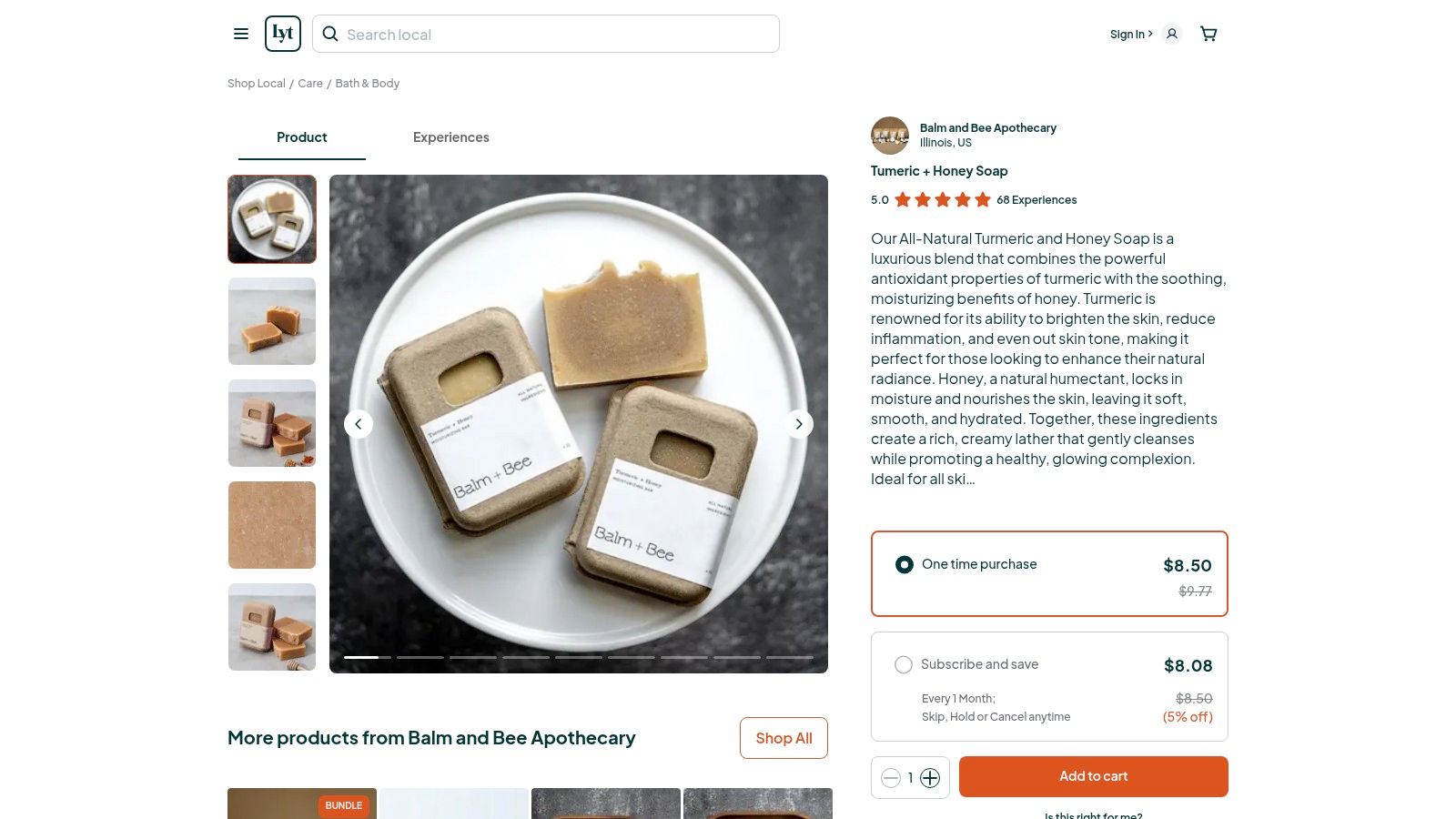
PowerReviews' guide to ratings and reviews reports that interacting with product ratings and reviews lifts on-page conversion rates by 168.2%. The same source says 80% of consumers are less likely to buy a product lacking reviews, and 44% explicitly refuse to buy items without any user feedback.
Put the right review in the right place
A good review display works like a helpful shopkeeper. It points the buyer to the proof they need before they ask for it.
That means stars are only the starting point. A skincare buyer may want reassurance about texture or sensitivity. A coffee buyer may care about freshness and flavor. A wellness shopper may be looking for routine fit, consistency, or how easy the product is to use every day.
Place reviews with that in mind:
- On the product page: feature short quotes that answer the biggest hesitation, such as scent, taste, texture, strength, or lasting quality
- Near the add-to-cart button: show one clear review that helps the buyer picture the product in real use
- Mid-page: include two or three reviews that speak to craftsmanship, ingredients, and repeat purchase reasons
- In email or social posts: use one plainspoken line that sounds like a real customer, not ad copy
If you sell through your own site, your review placement matters just as much as the review itself. Makers who want more control over how products and customer proof appear can set up a storefront that displays reviews clearly.
If you need ideas for how to visually organize products and social proof, browsing a product showcase can help you see how different layouts make buyer proof easier to scan.
Turn vague praise into buying confidence
“Love it” feels nice to read. It does not do much selling.
“My skin felt clean but not tight after a week of use” gives a future buyer something solid to hold onto. That kind of detail is especially useful for food, wellness, and beauty products, where people are trying to judge quality from a screen.
A simple layout often works best:
| Placement | What to highlight |
|---|---|
| Near the add-to-cart area | One short review about the biggest buying concern |
| Mid-page | Two or three reviews about product experience and quality |
| Lower on page | Full reviews for shoppers who want detail before deciding |
Specific words do the heavy lifting here. They help a shopper picture the scent in the shower, the texture on skin, the flavor in the cup, or how well a bar soap holds up after repeated use.
A turmeric soap review, for example, becomes more persuasive when it mentions lather, rinse feel, scent strength, or how long the bar lasted. Those details tell your quality story better than a star rating alone.
For makers with several products, it also helps to group reviews by theme. Useful tags include scent, gentle feel, daily use, ingredient confidence, giftability, and worth reordering. That setup saves the shopper time and makes the page easier to trust.
You can also borrow ideas from review analysis. As 42Signals explains in its discussion of review analytics for hidden product insights, businesses can examine sentiment by product feature instead of relying only on average star ratings. For an independent maker, that often reveals your strongest selling points. The story is usually in the details.
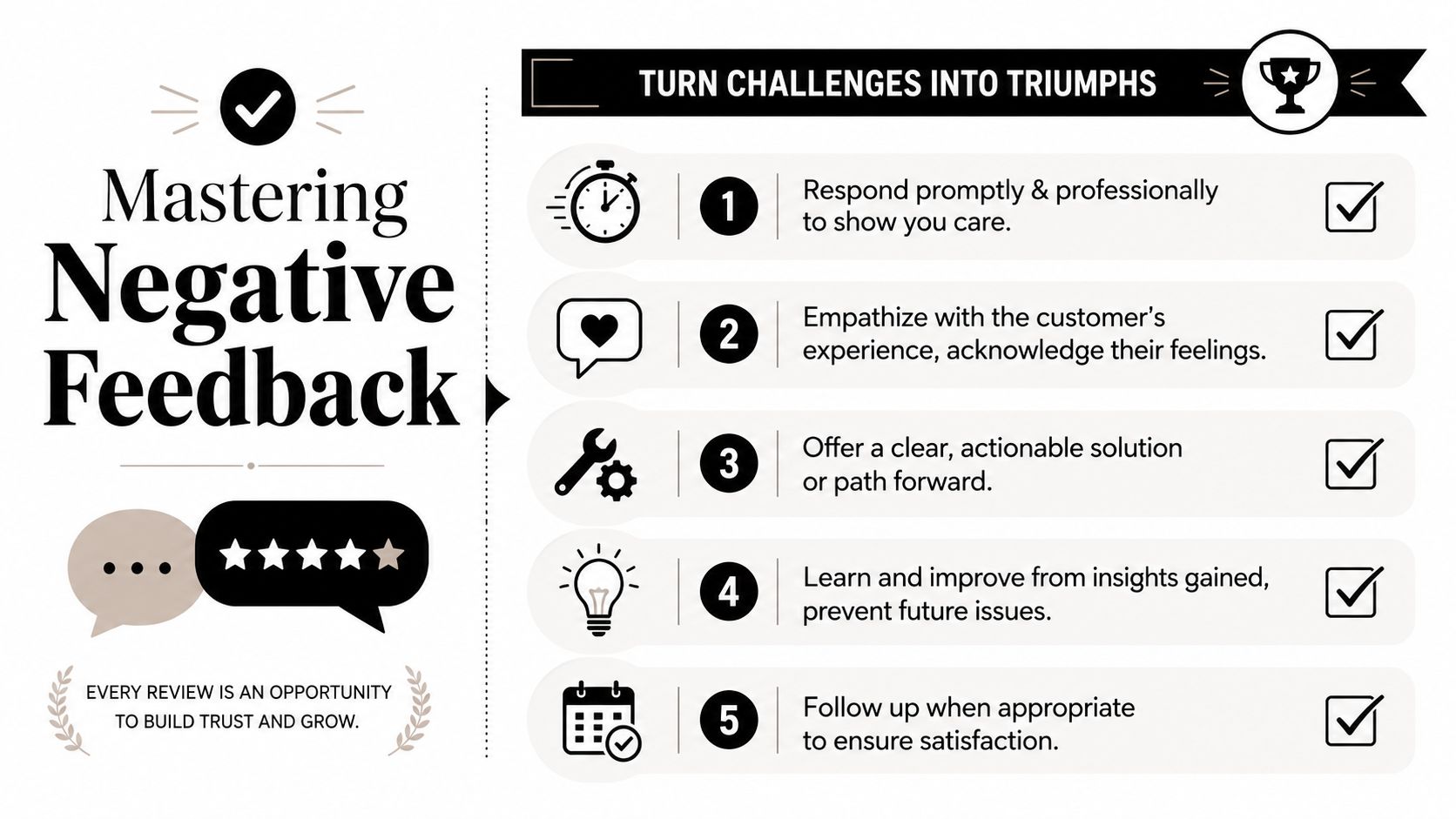
Handling All Feedback Like a Pro
The review most makers fear is the one that isn't glowing. A complaint about scent, fit, texture, timing, or expectations can sting when you're close to the product.
But a negative review isn't always damage. Sometimes it's the moment a shopper decides whether you're trustworthy.
A simple response pattern that works
Good replies are calm, short, and specific. You don't need a script that sounds polished. You need a response that shows you listened.
Use this three-part pattern:
Acknowledge the experience
Start with what the customer said. If they found a scent too strong or a texture not right for their skin, reflect that back clearly.Offer a next step
That could be a replacement, guidance, a follow-up question, or an invitation to continue the conversation directly.Show what you learned
If the feedback points to a recurring issue, say you're reviewing it. Future shoppers notice that.
A thoughtful reply tells future buyers, “If something goes wrong, this seller will handle it well.”
This applies across categories. If someone bought the Dog Sweater Dress Set, Houndstooth Knit & Denim Skirt, Warm Stretch Cotton Blend, Fall/Winter Outfit, XS–XXL | Pooch Couture by Loyaltie and mentioned fit questions, a useful response would stay factual and helpful. The item is described as a cozy sweater-and-skirt set with a soft houndstooth knit top, attached denim skirt, and stretch cotton blend. A reply can clarify fit expectations without getting defensive.
What to remove and what to keep
Not every review deserves equal treatment. Some should stay visible. Some should be flagged.
Keep these:
- Legitimate criticism that reflects a real buying experience
- Mixed reviews with both positive and negative details
- Reviews that reveal a mismatch between buyer expectations and product fit
Remove or flag these:
- Spam content with no real product relevance
- Abusive language that breaks platform rules
- Suspicious or fake submissions that appear manipulated or unrelated
The line is simple. Don't delete honest criticism just because it's uncomfortable. People trust stores that leave room for reality.
Review quality matters more than star polish. As noted earlier, buyers use comments to understand fit, longevity, and product character. A balanced review profile often helps more than a spotless one.
How Reviews Boost Your Local SEO
A nearby shopper searches on their phone for a soap that will not irritate sensitive skin, or a small-batch tea gift they can pick up this week. Your product page may not be the first thing they see. Your reviews often help bring them to you.
Reviews support local SEO because they give search platforms fresh, specific proof that your business is active and relevant in a real place. For independent makers, that matters a lot. A thoughtful review can tell the quality story behind your food, skincare, or wellness product in the same plain language a new customer is already typing into Google.

Why review language helps people find you
Customers describe products differently than makers do. That is useful.
You might write about ingredients, process, or sourcing. A buyer might write about the result they felt in daily life. Search engines can connect with both, which means reviews often fill in the gap between your product description and the words local shoppers use.
A customer might say:
- “great for sensitive skin”
- “fresh roasted smell”
- “gentle enough for everyday use”
- “helpful for my picky dog”
Those phrases work like little signposts. They add natural wording to your product pages and business profiles, and they often reflect buying intent better than polished brand copy does. If you want more practical ways to strengthen that visibility, the Loyaltie seller resources are a useful place to start.
Why steady review activity helps
Search platforms prefer current information. Recent reviews, updated business details, and active responses all help confirm that your shop is open, engaged, and serving real customers.
That freshness matters for local makers because buying decisions are often immediate. Someone wants a body butter nearby, a giftable jam set, or a dog treat their pet will eat. Reviews help your business show up as a real option, not a stale listing that has not been touched in months.
Why replies support visibility too
A reply adds context around the review and shows that someone is paying attention. It also gives you a chance to reinforce useful product details in a natural way.
This short video gives a useful overview of how local visibility works in practice:
If your schedule is tight, keep the routine simple:
- Check for new reviews on set days
- Reply first to recent questions or concerns
- Use the customer's wording when it fits naturally, especially around scent, texture, taste, or use
- Keep responses clear and consistent, even if they are brief
Local SEO can feel technical, but the core idea is simple. Reviews help search platforms understand what you sell, where you sell it, and why nearby customers trust you. For an independent brand, that is not just visibility. It is your quality story showing up right where buying decisions begin.
Your Simple Review Strategy Checklist
You don't need a giant system. You need a repeatable one.
Use this checklist to turn product reviews and ratings into part of your weekly rhythm, not a task you only remember when sales slow down.
Your working checklist
- Choose one review touchpoint: Set up one post-purchase email or message for each main product type.
- Wait for real use: Ask after the customer has had enough time to try the product properly.
- Prompt for specifics: Ask about scent, texture, taste, fit, ease of use, or long-term experience.
- Feature review snippets on product pages: Put the strongest, most useful comments close to the buying decision.
- Keep mixed feedback visible: Honest review variety builds confidence.
- Reply on a schedule: Set aside a few minutes each week to respond calmly and clearly.
- Track repeated themes: Look for comments about quality, packaging, ingredients, or expectations.
- Organize reviews by topic: Group them by what shoppers care about most.
- Use review language in your own copy carefully: If buyers keep using the same helpful phrase, reflect it back naturally.
- Keep learning: Add small improvements over time instead of trying to build a perfect system all at once.
Keep the process manageable
The biggest mistake isn't getting a bad review. It's treating reviews like a side issue.
For independent brands, reviews are part sales tool, part product feedback loop, and part trust signal. They help you explain quality through customer voices, which is often more persuasive than any polished headline.
If you want a few more practical guides for building your selling setup, the Loyaltie seller resources page is a useful place to browse.
Start small. One good ask, one good reply, and one well-placed review can change how a new buyer sees your product.
If you want more people to discover and buy directly from the maker, Loyaltie is a marketplace built to help shoppers find independent brands across the US and buy with confidence.