
You've got the package on the table, the label looks clean, and the product smells right, but that small voice is still there. That is the moment a product authenticity check online earns its keep. If you buy everyday staples from independent makers, local brands, or direct-to-maker shops, you want the genuine product, not a polished copy that only passes at a glance.
Counterfeits are a significant problem, and the risk is bigger than a bad bargain. Smart shoppers do not stop at the packaging. They check the code, check the seller, and buy from places that make authenticity easy to verify. Direct buying also gives you something copies cannot offer, a clear line back to the maker, which makes the genuine item easier to confirm and gives your money more value than a generic marketplace listing ever will.
Table of Contents
That Nagging Feeling Is This Product Real
You open a new skincare serum, and everything looks fine until the cap feels a little loose or the carton print seems softer than the photos on the brand's site. That small doubt matters. It does not mean you are paranoid, it means you are paying attention.
Why the doubt is worth listening to
Counterfeits are no longer clumsy knockoffs with glaring mistakes. They can look close enough that visual inspection alone turns into a guess. The core risk is simple, you pay for quality and get something that was not made, stored, or handled the way the maker intended.
That hits hard with wellness, beauty, coffee, pet products, and food from independent makers. Those categories depend on freshness, ingredients, and careful handling. If something is off, you do not just lose money, you lose trust in the person or brand that was supposed to make your routine better.
Practical rule: if the product makes you hesitate, treat that hesitation as a signal to verify, not a reason to talk yourself out of checking.
The good news is that you do not need a detective kit. A sensible product authenticity check online starts with a few simple moves that ordinary shoppers can use in minutes. Scan the code, confirm the destination, compare the item to the maker's official record, and decide whether what is in your hand matches what you thought you bought.
That caution is justified because counterfeit goods keep showing up in places shoppers trust. Analysts at Entrupy found that the share of items it could not certify as authentic moved in the wrong direction in its 2023 results, which shows the problem is still very much alive CBS News. If the stakes are that high, being careful is basic shopping hygiene.
Your First Line of Defense Digital Checks
Start with the code, but don't stop there
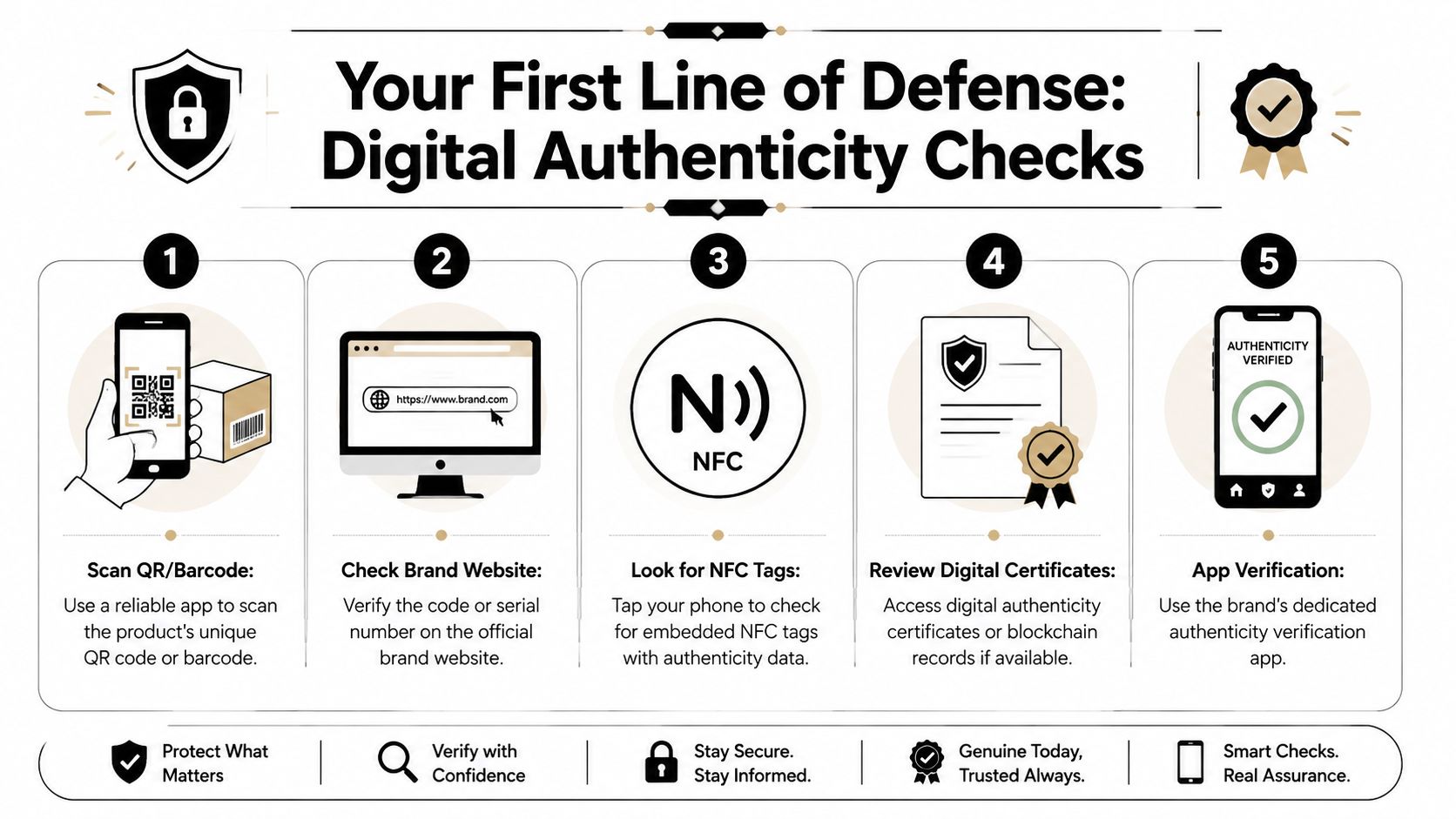
A barcode or QR code is the fastest place to begin, but the code itself only opens the door. A real scan should take you to a brand-hosted page that confirms the item, not a lookalike domain that borrows the maker's name Ecomsource.ai. Check the URL before you trust anything on the page.
If the page feels generic, redirects in a strange way, or does not match the product you bought, stop and verify elsewhere. Some systems also show whether a code has been scanned before, and repeated scans are a warning sign because authentic products often keep a visible history. Copying a code is easy. Making the record behave like a real item is harder.
Use serials and batch lookups the right way
A strong product authenticity check online never rests on one signal. Many brands publish serial-number or batch lookup tools on their own sites, and that is often the cleanest second check. The goal is not just to see a number match. The goal is to confirm that the identifier sits inside the maker's own system and that the item details line up.
The code should lead you to the brand, not make you trust the code more than the brand.
The workflow is simple. Scan the QR or barcode, inspect the URL before you click around, then compare the serial, model, or batch info against the official product record. If the scan says “first seen” or something similar, that is a reassuring signal. If it says the code has already been used, treat it as suspicious until the maker proves otherwise.
For independent makers, this is also where trust shows up in the experience itself. A clear verification page, a clean product record, and a direct path back to the maker all point in the right direction. If you buy through a marketplace, check the seller setup too, and use resources like Loyaltie seller resources to understand how a legitimate seller should present their products. If the path feels muddy, that is a problem.
Beyond the Scan Examining the Product and Seller
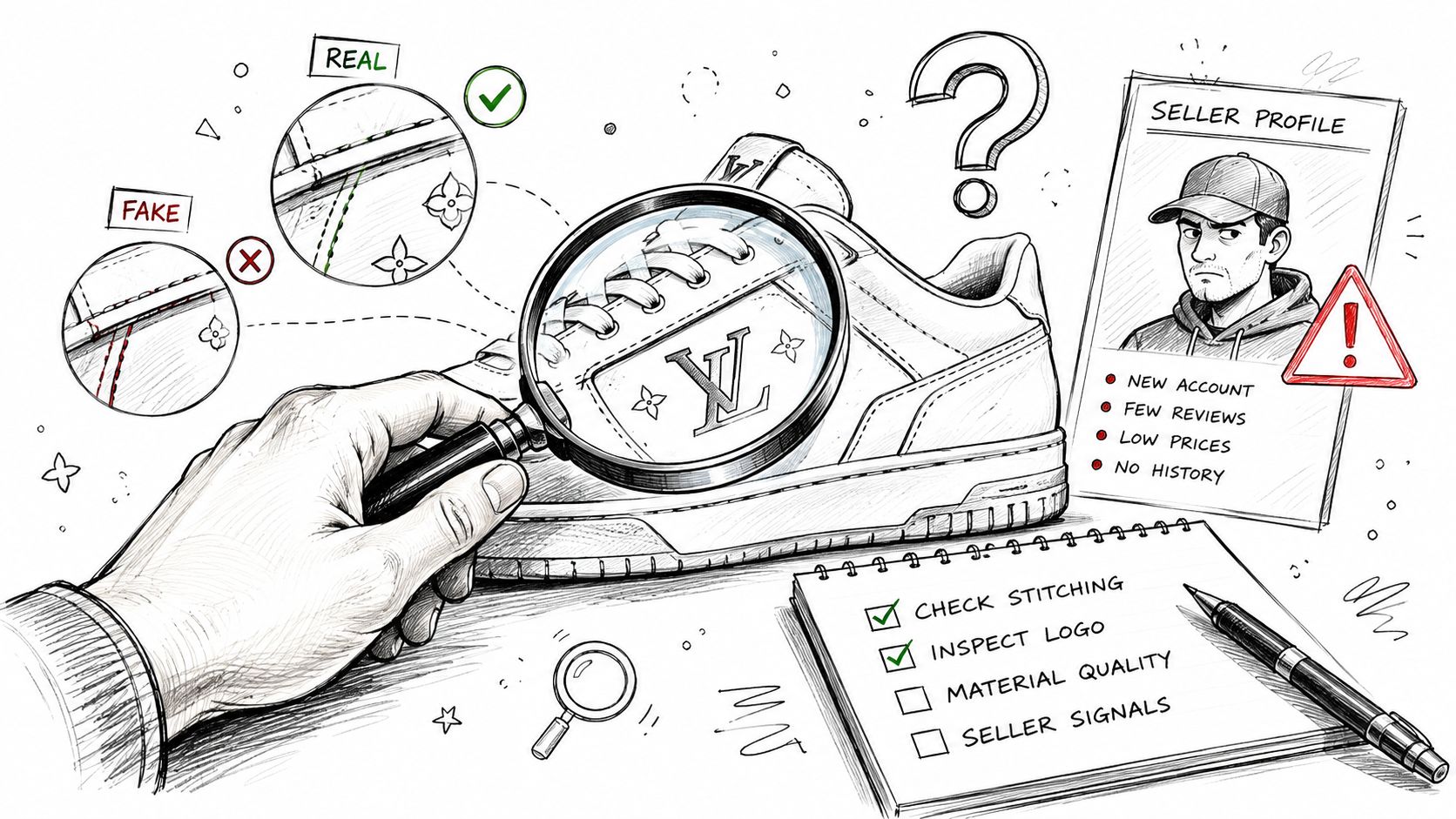
A code check can look fine and the product can still be wrong. That's why I always look at the seller first, then the physical item, then the details that counterfeiters usually rush. An effective workflow is multi-factor, starting with seller authorization, then digital verification, then a comparison of packaging and product details against the official record Alibaba.
Read the seller before you read the label
If you're buying direct from the maker, your risk drops because you're closer to the source. If you're buying from a marketplace seller with no clear connection to the brand, you need to work harder. The seller name, store history, and product listing should make sense together.
The easiest question is also the best one, who shipped this? If the answer is fuzzy, that's a warning. Marketplaces can be useful, but they also create room for copycat listings and reused product photos.
Use your hands, eyes, and nose
Packaging quality tells you a lot. Look for crisp printing, clean font spacing, and materials that feel consistent with the maker's other products. Then check the item itself for odd textures, off colors, strange smells, or details that don't match official photos.
For beauty and wellness products, smell is a real clue. For food and drinks, labeling consistency matters. For anything with a serial, batch, or model marker, the printed details should align with the maker's published record, not just vaguely resemble it.
I'd use a simple mindset here, if the seller looks anonymous and the item looks slightly rushed, don't talk yourself into it. That's how people end up trying to save money and buying uncertainty instead. If you want a practical reference point for direct-to-maker commerce, start with Loyaltie's seller resources, because that's the kind of setup that makes the source obvious.
The point isn't to become obsessive. It's to notice whether the seller, the code, and the product all tell the same story. If any one of them is off, the full picture starts to wobble.
When the Results Are Unclear or Suspicious
This is the part most guides skip, and it's the part you need. A scan doesn't always give you a clean yes or no. Sometimes it says the code was already verified, sometimes it returns a mismatch, and sometimes it just leaves you hanging.
Treat ambiguity as information
A genuine scan should lead to a brand-hosted page, and any deviation should make you pause Selinko. A previously verified code is not a shrug-worthy detail. It's a reason to question whether the code was copied, reused, or attached to the wrong product.
If the serial number is invalid, go straight to the maker's customer service channel and ask for clarification. Don't try to force the answer yourself. Brands can confirm whether the code is wrong, the listing is bad, or the item itself is not legitimate.
Good rule: no clear result means no final trust.
That applies even when the packaging looks convincing. Counterfeiters have gotten better at copying visible markers, which is why a scan that doesn't fully make sense should never be treated as a pass. For a sharper example of how a real product record should feel, look at Hydrating Body Lotion, Jojoba & Almond Oil + Vitamin E, Bergamot Scent, Lightweight Glow Moisturizer, 2 oz or 8 oz | Rochelle Skin Care by Loyaltie, which is described as a lotion that blends jojoba and sweet almond oils with vitamin E and a warm bergamot scent.
Decide fast, then move
If the code is reused, mismatched, or leads somewhere weird, ask for a refund or report the seller. If the serial doesn't resolve, contact the brand and keep your order details handy. If the seller refuses to help, that's your answer.
Keep the site's terms handy too, including Loyaltie's terms and conditions, because buying direct only feels smooth when the source is clear and the platform stands behind the transaction. That's the standard you want anywhere you shop.
Unclear results aren't dead ends. They're the point where careful shoppers stop guessing and start making decisions.
The Best Guarantee Buying Directly from the Maker
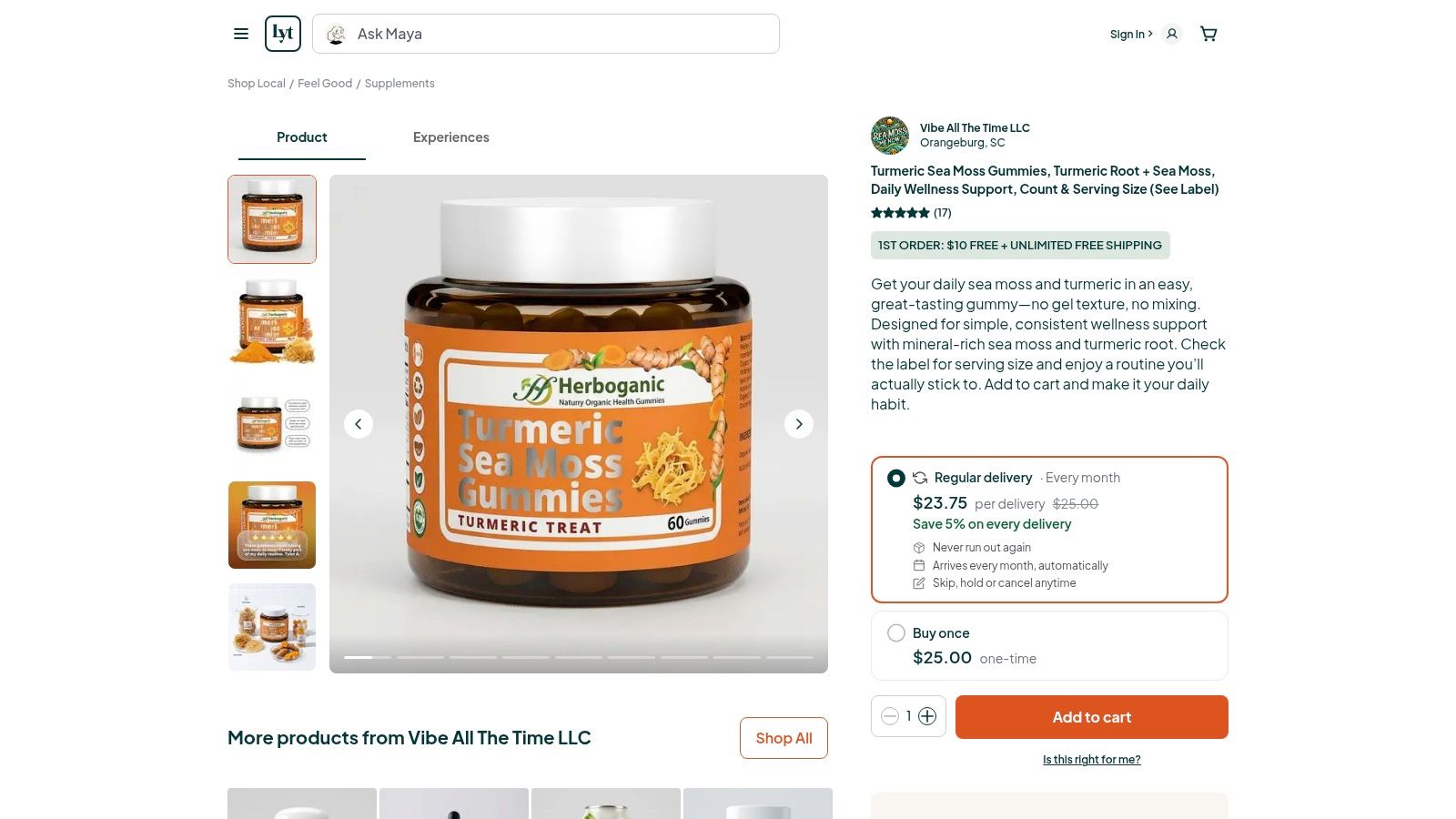
The cleanest authenticity strategy is simple, buy straight from the maker. Cutting out the middleman leaves less room for swapped stock, shaky sourcing, or fake listings to slip in. That is not a marketing trick, it is a clearer path from source to doorstep.
Why direct beats detective work
A strong verification routine still matters, but it starts after the fact. Buying directly from independent brands makes authenticity easier before you even click checkout. You know who made it, where it came from, and which page should describe it.
That is why platforms built around direct discovery matter. Loyaltie works as a marketplace where people discover and buy directly from the best independent brands in the US, which makes the source easier to trace and the buying path easier to follow. For example, a direct-to-maker shop like Rose of Eden Home & Scents gives you a clearer product trail than a reseller with a crowded listing page.
The consumer side is changing too. A UK survey reported by IT Supply Chain found that nearly half of shoppers would happily use a smartphone app to check for counterfeits before buying, which shows how normal authenticity checks are becoming at the point of purchase IT Supply Chain. Shoppers want proof. Brands that make proof easy are the ones worth buying from.
Make direct buying your default
Use a marketplace or retailer only when you can verify the seller chain clearly. If a brand sells direct, that is the first place I would look. If you are buying coffee, skincare, supplements, pet products, or food from a local maker, direct buying usually gives you better transparency and fewer surprises.
For another useful perspective, I like trusted advice on luxury watch authentication from ECI Jewelers because the logic is the same, source matters, and the authentic product's story should line up across the listing, the seller, and the item itself.
You do not need to guess your way to confidence. Buy from the maker whenever you can, and use the scan only as a second layer of confirmation.
Your Authenticity Checklist Made Simple
Start with the code. If the QR or serial doesn't lead to the brand's own page, stop. Then look at the seller, the packaging, and the product itself, because a clean result on one check doesn't erase obvious mismatches.
If anything feels off, ask the maker directly and don't let a vague answer slide. When you want fewer doubts and better products, buying directly from independent makers is the simplest move you can make. It gives you a cleaner trail, a clearer source, and a better shot at acquiring the genuine article.
If you want a simpler way to shop with confidence, Loyaltie helps you discover and buy directly from independent brands in the US. You get a clearer source, less middleman noise, and a better shot at finding products made by real people who stand behind them.