

You've got a cocktail shaker full of ice, a glass waiting on the counter, and one problem: the neon-red grenadine in the cupboard tastes more like candy than pomegranate. A homemade pomegranate simple syrup fixes that with very little work. It brings real fruit aroma, a clean tart-sweet balance, and enough body to cling to a spoon instead of disappearing into the drink.
The other advantage is control. You decide how sweet, bright, spiced, or concentrated the syrup becomes, and you can make a small batch that suits the drinks and desserts you serve. If you'd rather buy than simmer, the same standards apply when you shop from independent brands and local makers: look for real juice, a short ingredient list, and flavor that tastes like fruit rather than coloring.
Table of Contents
Why Homemade Pomegranate Simple Syrup Beats the Bottle
The difference becomes obvious in a simple drink. Stir bottled grenadine into sparkling water and you may get color and sweetness, but the flavor can feel flat. Add homemade pomegranate syrup instead, and the first impression is sharper and more aromatic. The syrup tastes like pomegranate juice that has been rounded out with sugar, not like a generic red sweetener.
That matters in cocktails because pomegranate has natural tartness. It gives a gin fizz, sour, or rum drink some structure, while sugar softens the edges. The result is more balanced than adding extra sweetener to a drink that already contains citrus.
Practical rule: If you can taste only sugar, the syrup has lost the point of using pomegranate.
Commercial grenadine varies widely from bottle to bottle. Some products lean heavily on high-fructose corn syrup, artificial coloring, and flavoring, with little or no actual pomegranate content. Homemade syrup starts with a more useful ingredient, 100% pomegranate juice, so the color and flavor come from the fruit itself.
The process is also forgiving. A small saucepan, a whisk, a fine-mesh sieve, and a clean glass jar are enough. A brief simmer dissolves the sugar and gives the syrup a glossy texture without turning it into a sticky candy sauce. The method works with fresh juice or a good bottled juice, though bottled 100% juice is often the easiest choice when you want a consistent batch.
Use it in a Jack Rose instead of grenadine, stir it into sparkling water with lime, or brush it over cake. It also works well with vanilla, citrus, ginger, and warm spices. The flavor is distinctive enough to stand out, but flexible enough for drinks, desserts, breakfast, and mocktails.
Homemade isn't always the right answer. If you're short on time or pomegranates are out of season, a jar from an independent maker can deliver the same small-batch character without the stovetop work. The important part is knowing what to look for, whether you're making the syrup yourself or buying directly from the maker.
The Base Recipe You Can Make on the Stove
For a dependable small batch, use one cup of 100% pomegranate juice and one cup of granulated sugar. This 1:1 formula also appears in a standard pomegranate simple syrup recipe. It gives you a useful baseline for cocktails, desserts, and for comparing the sweetness of syrup from an independent maker.
Pour the juice and sugar into a small saucepan. Whisk briefly, just enough to distribute the sugar through the juice. This helps prevent dry sugar from sitting on the base of the pan while it heats.
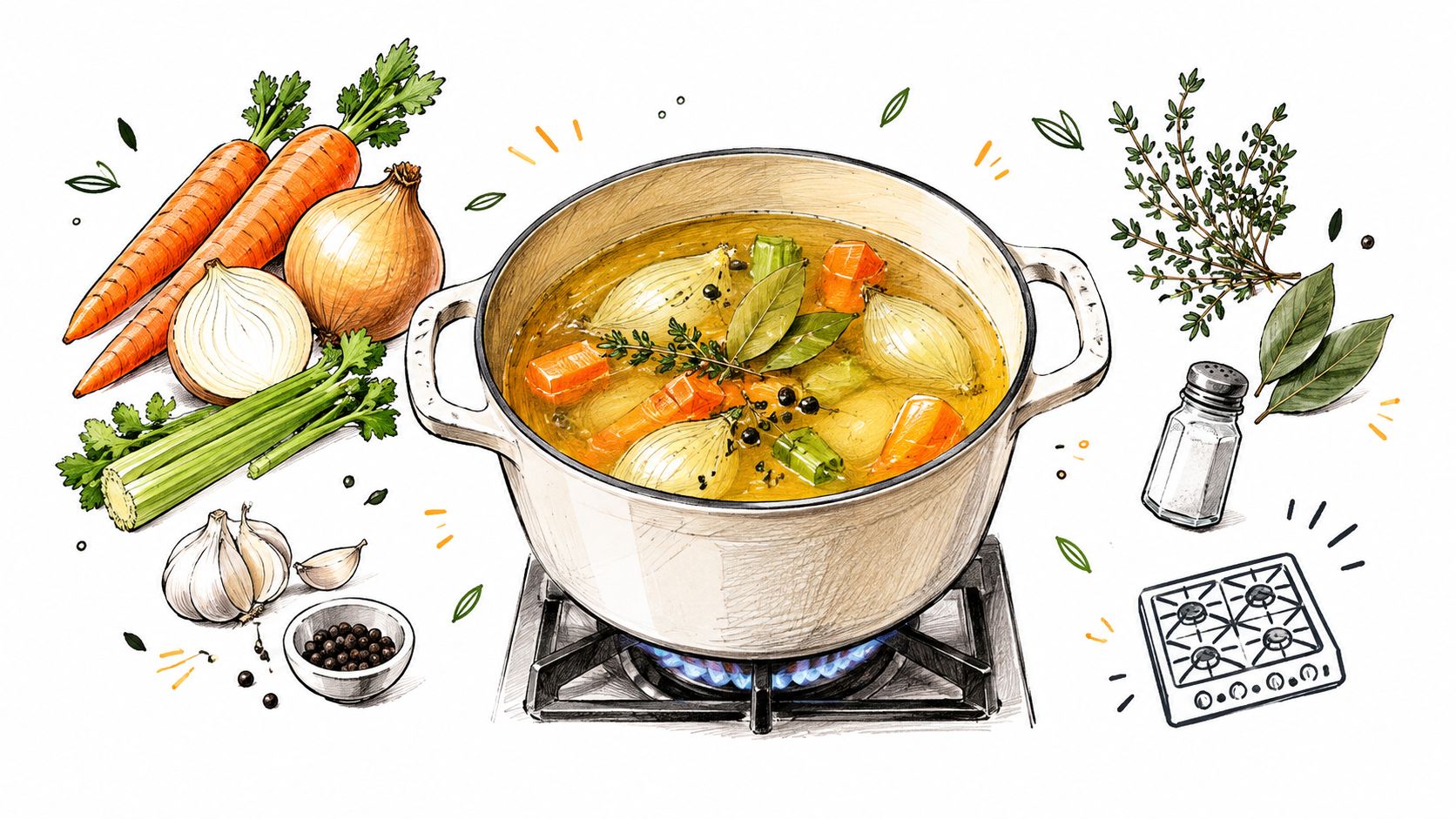
Set the pan over medium heat and bring the mixture to a low simmer. Once small bubbles appear, reduce the heat to medium-low. Cook for five to seven minutes, stirring occasionally. The sugar should be fully dissolved, and the syrup should look glossy and only slightly thicker than the juice.
Use the spoon test rather than chasing a thick texture. The syrup should coat the back of a spoon lightly, then run off in a steady stream. If it resembles jam while hot, it will be too dense once chilled.
Heat gently for a brighter result
A hard boil can darken the syrup and reduce some of its fresh fruit character. A food-science study of pomegranate syrup associated cold-method processing with better preservation of quality, including vitamin C, phenolic content, antioxidant activity, color, and sensory qualities. On the stove, the practical response is simple: dissolve the sugar, keep the heat moderate, and stop as soon as the texture is right.
Remove the pan from the heat and leave it for ten minutes. Pour the syrup through a fine-mesh sieve into a clean glass jar. This removes pulp and sediment, giving cocktails a smoother pour and desserts a cleaner finish.
Cool the syrup completely before sealing the jar and refrigerating it. A tested variation uses three-quarters of a cup of sugar for one cup of pomegranate juice. The 1:1 batch remains the clearest first benchmark, while that lighter version shows how an independent maker's syrup may differ in sweetness, body, and fruit intensity.
Choosing Your Ratio of Juice to Sugar
Sugar controls more than sweetness. It changes the syrup's body, pourability, keeping quality, and the amount of pomegranate flavor that remains noticeable. The standard 1:1 formula is a reliable starting point, while other ratios suit specific drinks and dishes.
| Ratio (Juice:Sugar) | Simmer Time | Texture | Best For |
|---|---|---|---|
| 1:1 | 5–7 minutes | Glossy and pourable | Cocktails, lemonades, sparkling water, dessert drizzles |
| 2:1 | Until lightly thickened | Brighter and more tart | Sparkling water, vinaigrettes, citrus-forward drinks |
| 1:2 | Until noticeably reduced | Thick and rich | Pancakes, ice cream, sponge cake, concentrated dessert sauces |
The 1:1 ratio produces the most flexible syrup. Its sugar softens pomegranate's acidity without covering the fruit, and its fluid texture is easy to measure into a shaker or stir into a cold drink. It also gives you a useful benchmark when comparing a small-batch homemade syrup with a sweeter, heavier mass-produced grenadine.
For a leaner result, use two parts juice to one part sugar. More of the fruit's tart edge stays intact, which suits sparkling water and vinaigrettes that already contain additional acidity. This ratio has less sugar to help with preservation, so prepare a smaller batch and use it promptly.
A richer 1:2 ratio makes a dense syrup with a pronounced coating texture. It works better over pancakes or vanilla ice cream than in a delicate cocktail, where the drink can feel heavy. Stay near the pan as it reduces. The thicker mixture scorches more readily, especially toward the end.
The tested 3/4-cup sugar version is a practical middle ground when you want gentler sweetness without changing the method substantially. For the juice itself, a cold-pressed pomegranate juice can provide a suitable base when its flavor is clean and concentrated. That choice also lets you support an independent maker instead of relying on a supermarket bottle.
Sugar contributes to preservation at every ratio. A leaner batch will not keep as long in the refrigerator, so treat it as a fresh ingredient rather than a pantry staple.
Flavor Variations Worth Trying
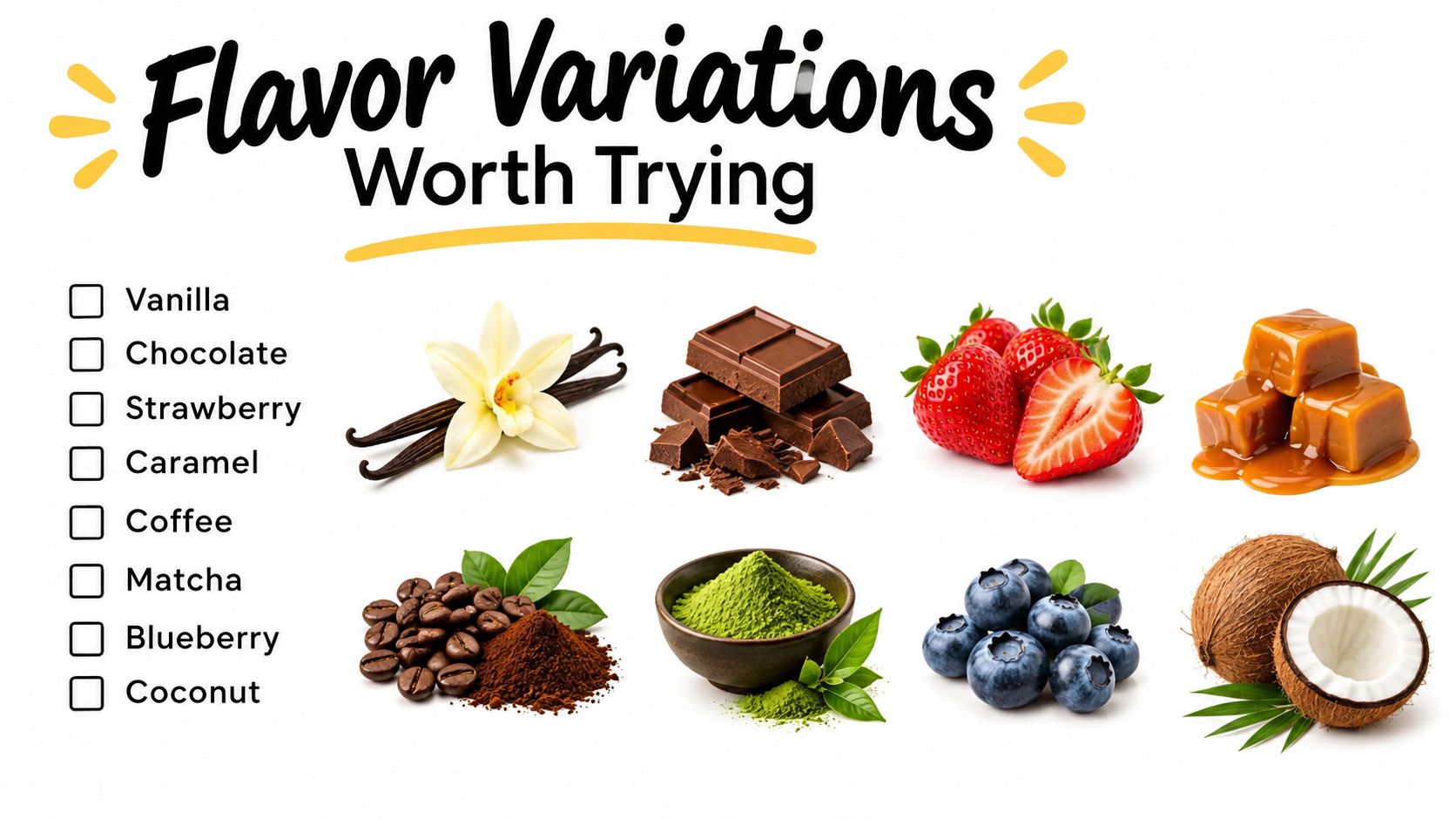
The plain syrup is useful, but pomegranate also takes flavor beautifully. Start with the 1:1 base and add whole aromatics directly to the juice before the sugar goes in. This gives you a chance to taste the fruit and seasonings together before heat and sweetness make the final profile harder to judge.
For a warm version, add one cinnamon stick and two whole cloves. That combination suits cold-weather cocktails, hot tea, and oatmeal. Keep the spices whole so you can remove them cleanly and preserve the syrup's clear ruby appearance.
A strip of lemon peel and a split vanilla bean create a lighter, more rounded variation for sparkling drinks. Use the peel without the white pith, since pith can add an unwanted bitter note. Vanilla doesn't make the syrup taste like dessert on its own. Instead, it softens the sharpness of the fruit and gives the finish more length.
Fresh ginger takes the syrup in another direction. Add a few thin slices to the juice for a sharper, warmer result that works particularly well in tea-based mixers and alcohol-free drinks. Ginger can become assertive quickly, so taste before adding more.
Build flavor without clouding the syrup
Ground spices are convenient, but they can leave the finished syrup cloudy and gritty. Whole spices, citrus peel, and fresh herbs are easier to strain and generally give you a cleaner result.
A useful starting point is half a spice per cup of juice. Taste at the five-minute mark, then decide whether the aromatics need more time. Heat extracts flavor faster than the liquid reduces, so you can end up with an aggressively spiced syrup even when the juice still looks relatively thin.
- Cinnamon and clove: Warm, fragrant, and suited to oatmeal or winter drinks.
- Lemon peel and vanilla: Bright, smooth, and especially good with sparkling water.
- Fresh ginger: Peppery and lively in tea, soda, and citrus cocktails.
- Fresh mint: Cool and green, best added near the end so it doesn't taste cooked.
If you use ground spices or finely chopped herbs, strain the finished syrup through cheesecloth after the fine-mesh sieve. Let the syrup cool before judging the final flavor, because sweetness and acidity become easier to assess once the mixture is no longer hot.
Ways to Use Pomegranate Simple Syrup
A good syrup should earn its space in the refrigerator. This one does because a little can change a drink or dish without requiring you to prepare another fruit component.
Start with sparkling water and lime. A spoonful adds color, sweetness, and a tart fruit note, while the carbonation keeps the drink from feeling heavy. For a pomegranate gin fizz, combine the syrup with gin, fresh lemon juice, and sparkling water. The botanicals in the gin give the pomegranate somewhere interesting to land.
You can also replace grenadine in a Jack Rose. The cocktail becomes fruitier and less candy-like, especially if the syrup has been made with a balanced ratio rather than a very rich reduction. In a citrus drink, add the syrup gradually and taste as you go. Pomegranate is flavorful, but too much sugar can hide the acidity that makes the drink refreshing.
Use the color where it can show
Clear and pale drinks display the ruby color best. Sparkling water, a pale gin cocktail, lemonade, and light rum drinks all let the syrup make a visual contribution. Dairy-based recipes mute the color, but they still preserve the tart-sweet flavor.
For dessert, brush the syrup over a sponge cake while the cake is still slightly warm. It adds moisture and gives a plain crumb a more vivid fruit character. A drizzle over vanilla ice cream is simpler, and roasted pears become more interesting when the syrup is added near the end rather than cooked for a long time.
Breakfast applications are just as practical. Swirl it into plain yogurt, replace maple syrup on pancakes, or mix a modest amount into overnight oats with chia seeds. The last option works best when the oats are fairly neutral, since strong spices or sweetened yogurt can compete with the pomegranate.
For cocktail service, large, slow-melting ice can keep a drink colder without watering it down as quickly. A reusable ice sphere mold is useful for spirit-forward drinks where the syrup's acidity and fruit aroma need time to open up.
Pomegranate syrup is mostly a sweetener, not a meaningful source of fruit nutrition. One nutrition reference lists about 29 grams of carbohydrates and 25 grams of sugar per 100 grams, with 8.9 milligrams of vitamin C per 100 grams in pomegranate syrup, so use it for flavor and color rather than treating it as a health food. The nutrition discussion and recipe context also make the serving-size trade-off clear. A small pour can deliver plenty of flavor, which is useful when you're trying to keep a drink from becoming needlessly sweet.
Storage, Shelf Life, and Spoilage Signs
A pomegranate syrup's storage life depends on its acidity, sugar concentration, bottling hygiene, and how often the jar is opened. For standard fruit syrups, FAO guidance emphasizes controlling water activity and keeping the final equilibrium pH in an acidic range. Sugar contributes to stability, but sweetness alone does not make a syrup shelf-stable.
For a small home batch, strain the syrup while hot into a properly sterilized glass jar, then seal it while warm. Cool it and refrigerate it promptly. An unopened batch can keep two to four weeks refrigerated. Once opened, use it within three weeks. These timeframes depend on clean handling and consistent refrigeration, not a jar that sits on the counter during drink service.
| Method | Container | Shelf Life | Spoilage Signs |
|---|---|---|---|
| Refrigerated, unopened | Sterilized glass jar sealed while warm | 2–4 weeks | Mold, unusual cloudiness, fermentation odor |
| Refrigerated, opened | Clean airtight glass jar | Use within 3 weeks | Mold, yeasty smell, fizz on opening |
| Frozen | Ice cube tray, then sealed freezer bag | Up to 4 months | Discard if thawed and showing spoilage |
Freezing suits batches that will not be used soon. Pour the cooled syrup into an ice cube tray, freeze the portions, and transfer them to a sealed freezer bag. Thaw only the amount a recipe requires. Portioning prevents repeated exposure to air and utensils, while giving you a measured addition for a drink or dessert.
Know the difference between quality and safety
A little loss of brightness affects quality, not necessarily safety. Visible mold, new cloudiness, a yeasty or fermented smell, or fizz when the container opens are spoilage signs. Discard the syrup if any appear. Do not taste it to test whether it is still acceptable.
Some cooks add a splash of vodka or one teaspoon of citric acid per cup for extra protection. Either addition can alter the syrup's flavor and preservation profile, and neither replaces sterilization, refrigeration, or clean utensils. The FAO preservation guidance explains why acidity and water activity must be considered together rather than relying on sugar as the only safeguard.
Use a clean spoon for every serving. Reused cocktail spoons, crumbs, dairy residue, and unfinished juice can contaminate a carefully prepared syrup. Small batches from independent makers deserve the same care after opening.
Buying From Independent Makers When You Skip the DIY
A jar from an independent producer can be the right choice when you're busy, pomegranates are out of season, or you want a flavor profile that has already been tested. The quality upgrade comes from the contents, not the label. You're looking for a syrup that tastes like fruit, has a clear purpose in a drink, and doesn't leave a heavy candied finish.
Read the ingredient list before looking at the front label. Real pomegranate juice should appear first, with sugar and perhaps citric acid or lemon juice following it. A short list makes it easier to understand what you're buying. Artificial coloring can create a bright ruby appearance, but authentic pomegranate color may soften over time, so color alone isn't a reliable measure of flavor.
Farmers markets, regional food halls, and online shops that work directly with local makers are good places to compare bottles. Ask how the maker balances acidity and sweetness, whether the syrup is filtered, and how it should be stored after opening. Those answers tell you more than a dramatic package design.
Taste for the job you have in mind
The best bottle for a cocktail may not be the best one for pancakes. Compare:
- Fruit depth: Does the pomegranate remain noticeable after dilution?
- Acidity: Does the syrup taste lively, or only sweet?
- Finish: Does it end cleanly, or leave a candied aftertaste?
- Texture: Does it pour easily, or behave more like a thick dessert sauce?
- Ingredient clarity: Can you understand the recipe from the label?
Independent makers vary widely in sweetness intensity. If you can sample before buying, taste the syrup in sparkling water or with a little lime rather than straight from the spoon. That gives you a better idea of how it will perform in a finished drink.
You may pay more than you would for a mass-produced supermarket bottle, but a stronger fruit flavor can mean using less in each drink. The value is in the flavor concentration and the ingredient transparency, not in buying a larger bottle that sits unused.
For a related syrup with a different botanical profile, compare an independent maker's saffron and rose drink concentrate. It won't replace pomegranate syrup, but it shows how direct makers can build distinctive flavor combinations beyond the standard grenadine profile.

If you're ready to move beyond flat bottled grenadine, make the 1:1 pomegranate simple syrup first and use it in sparkling water, a gin fizz, or over vanilla ice cream. When you'd rather buy than stir, visit Loyaltie to discover and buy directly from independent brands and local makers across the US.