
The most popular advice about natural skin cream is also the least useful: “Natural means safer.” It doesn't. A plant extract can soothe your skin, or it can irritate it. A cream made without conventional preservatives can sound appealing, yet still need a carefully designed preservation system to prevent microbial growth. The front of the jar gives you a marketing story. The ingredient deck, formulation choices, and maker's transparency tell you whether the product deserves a place on your shelf.
That doesn't make natural skincare a bad choice. It makes quality more important than the word natural. The strongest options come from makers who explain what's in the formula, why it's there, how it's preserved, and which skin types should use it. Buying directly from independent local brands can make that conversation easier, while giving you a better route to thoughtfully made alternatives to mass-produced everyday skincare.
Table of Contents
What Natural Actually Means for Your Skin
The word natural isn't a regulated safety or efficacy category. A botanical-heavy cream can contain known sensitizers and trigger contact dermatitis, so relying on the label alone is a mistake. Cleveland Clinic's guidance on natural skin care and ingredient safety makes the practical point clearly: assess the complete ingredient list rather than assuming plant-derived ingredients are automatically gentler or more effective.
That distinction matters because “natural” can describe many different things. It might refer to plant oils, herbal extracts, naturally derived emulsifiers, a brand's sourcing philosophy, or packaging designed to look earthy. None of those details, by themselves, tells you whether a moisturizer will suit your face.
Treat natural as a starting point
A well-formulated natural skin cream can still be a smart choice. Oils and butters can soften rough skin, reduce the feeling of dryness, and help limit moisture loss. Botanicals may add useful sensory and skin-conditioning qualities. But the formula has to be balanced for texture, stability, preservation, and your own tolerance.
The better question isn't “Is this cream natural?” Ask:
- What does the formula contain?
- Which ingredients are likely to affect my skin?
- How does the maker protect a water-based product from contamination?
- Can I identify fragrance components and common allergens?
- Does the product match my skin's needs?
That mindset protects you from both extremes. You don't have to dismiss every botanical formula, and you don't have to accept every “clean” claim. You can choose products based on evidence, formulation logic, and a maker's willingness to be specific.
Practical rule: A natural label should earn your attention, not your trust.
The same principle applies across skincare. If you're comparing a facial moisturizer with a cleansing product, a guide to charcoal and exfoliating soap bars can help you think about ingredients and skin feel beyond broad natural-beauty language. Your routine improves when each product has a clear job and a formula that suits your skin.
Decoding the Ingredient Deck on Natural Skin Creams
The back label is more valuable than the front label. In the United States, retail cosmetics must carry an ingredient declaration, and ingredients generally appear in descending order of predominance. Ingredients present at 1% or less, along with color additives, may be listed without regard to predominance, as explained by the FDA's cosmetic labeling requirements.
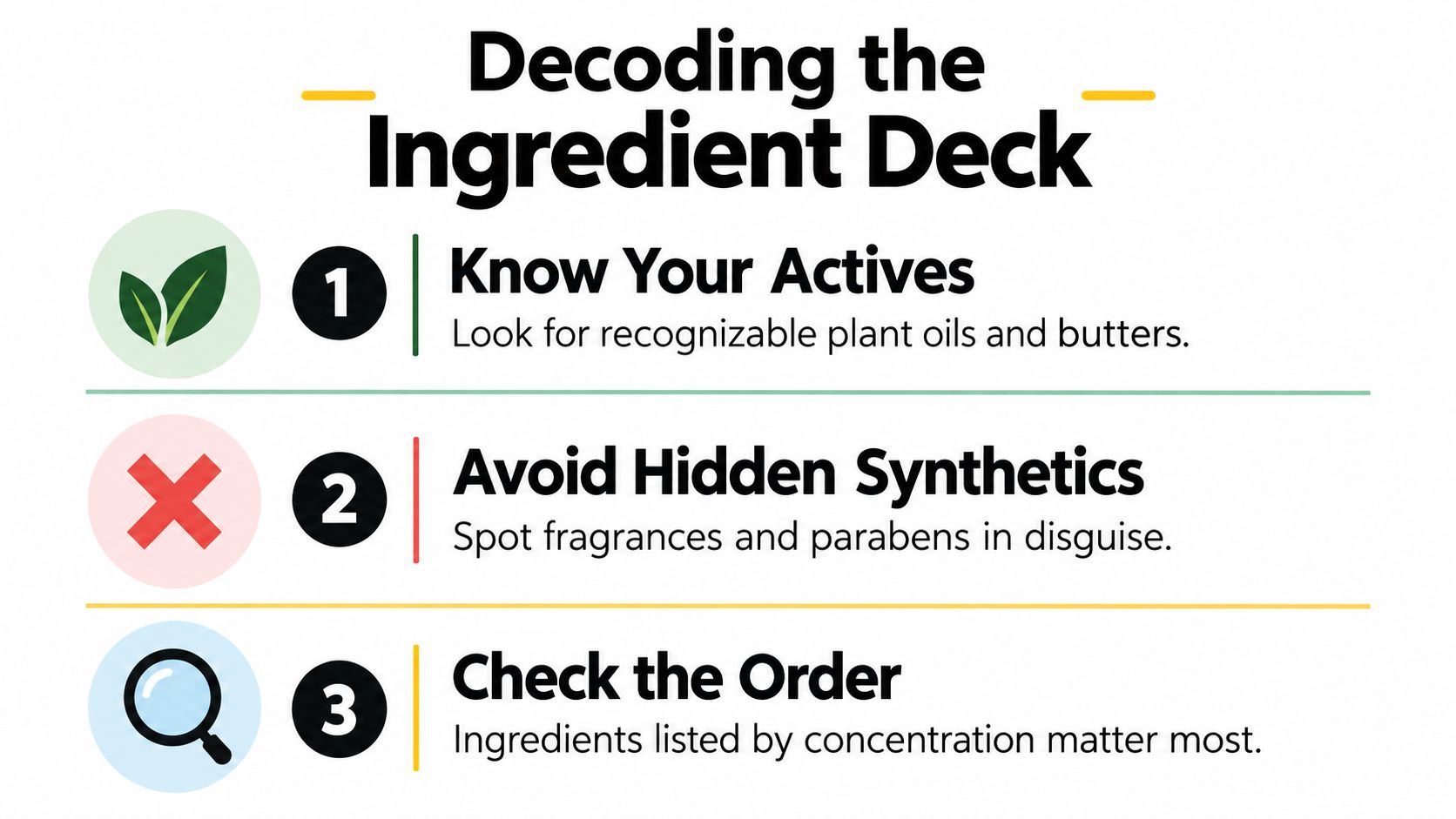
You don't need a chemistry degree to scan a label. You need a repeatable method.
Start with the formula's foundation
Look at the first several ingredients. They usually tell you whether you're holding a rich cream, a light lotion, or a product that relies heavily on water and humectants.
- Water and aloe vera: These create a water-based foundation. Aloe can contribute a pleasant, soothing skin feel, but its presence doesn't prove the formula is suitable for sensitive skin.
- Glycerin: This is a well-characterized humectant that helps attract and hold water in the outer layers of skin. Evidence on glycerin-rich moisturizers, alongside ceramide systems, supports hydration and barrier function rather than relying on “natural” positioning alone. The published ceramide and glycerin moisturizer study reported higher hydration at 24 hours compared with reference moisturizers and a reduction in transepidermal water loss over 24 hours.
- Shea butter and plant oils: These add emollience and richness. Jojoba, olive, sunflower, hemp, and similar oils can change the slip, absorption, and after-feel of the cream.
- Emulsifiers and thickeners: These help oil and water stay blended and give the product a consistent texture. They aren't evidence of poor quality. A stable cream needs functional ingredients.
Then inspect the supporting system
A cream containing water needs protection against microbial growth. Natural and organic positioning doesn't remove that requirement. The European Commission's cosmetic preservation guidance states that preservatives help prevent or reduce microbial growth and that all cosmetics, including products marketed as natural or organic, must be adequately preserved and tested.
Look for a maker who explains the preservation approach instead of treating “preservative-free” as an automatic virtue. Also scan for parfum, fragrance, essential oils, and named fragrance allergens if your skin reacts easily. “Botanical” doesn't tell you whether a fragrant extract will bother your face.
For another perspective on comparing formulas and price-conscious alternatives, browse this guide to affordable clean skincare dupes. Use it for ideas, then verify every product against its current ingredient list.
When shopping online, a product page should show the full ingredients clearly. A fragrance-free option such as this three-step face-care set with tsubaki, camellia, jojoba, and calendula is easier to assess when the formula details are visible rather than hidden behind vague claims.
Matching Natural Formulations to Your Specific Skin Type
Your skin type should decide the texture and oil balance you choose, not the prettiest label. A rich cocoa-butter cream may feel comforting on very dry cheeks and heavy on an oily forehead. A light botanical lotion may work beautifully in humid weather but leave mature or very dry skin asking for more.
Choose the base before chasing the botanical
Dry skin usually benefits from a richer blend of occlusive and emollient materials. Cocoa butter, mango butter, and shea butter can create a more protective feel, especially when the formula also includes water-binding ingredients such as glycerin. Mature skin often prefers the same approach, although a heavy texture isn't automatically better.
Oily or congestion-prone skin generally calls for a lighter finish. High-linoleic oils such as hemp seed or rosehip can feel less dense than heavier butters, but your response matters more than an ingredient's reputation. Patch test, introduce one new product at a time, and stop if persistent redness, burning, or itching appears.
Combination skin needs compromise. Use a lighter natural skin cream across the face and apply a richer balm only where dryness appears. Sensitive skin needs the shortest, clearest formula you can find, with fragrance and essential oils treated cautiously.
| Skin Type | Best Natural Bases and Oils | Ingredients to Approach with Caution |
|---|---|---|
| Dry or mature | Shea, mango, or cocoa butter, glycerin, jojoba, richer plant oils | Strong fragrance blends, highly aromatic essential oils |
| Oily or congestion-prone | Lightweight lotions, hemp seed oil, rosehip oil, lighter emollients | Very heavy butter bases, dense occlusive balms across the entire face |
| Combination | Light cream overall, richer balm on dry areas, balanced humectants | One heavy formula used everywhere |
| Sensitive | Fragrance-free, simple water-and-lipid systems, clearly disclosed preservatives | Essential oils, parfum, complex botanical blends, known personal allergens |
Independent makers can sometimes respond to local conditions more directly than mass-market brands. A maker selling in a dry inland climate may formulate for a different skin feel than one serving customers in humid coastal weather. That doesn't guarantee a better product, but it gives you a useful reason to ask questions about texture, seasonality, and intended use.
If you're evaluating a targeted balm, compare the actual formula with your tolerance rather than assuming “natural” makes it universally suitable. This tallow, honey, and hemp seed oil balm with blue tansy and tea tree illustrates why the complete ingredient list matters, especially for skin that reacts to fragrant or concentrated botanicals.
Navigating Safety, Allergens, and Preservation Tradeoffs
Plant ingredients are chemically complex. That complexity can create useful skin-conditioning properties, but it can also introduce allergens. The idea that a botanical cream is automatically gentle collapses when you look at the actual products people buy.
A 1,651-product analysis found that more than 94% of so-called natural personal care products contained at least one known contact allergen, while 90% included an ingredient in the top 100 most clinically prevalent allergens, according to Stanford Medicine's coverage of natural skin product irritation.
Those figures don't mean every natural cream will cause a reaction. They do mean you should stop treating “natural” as shorthand for “allergen-free.”
Fragrance deserves special scrutiny
Essential oils are often the first ingredients I question in a leave-on facial product. Lavender, citrus, tea tree, peppermint, and other aromatic materials may create a pleasant scent, but fragrance compounds can irritate or sensitize some users. If you have eczema, rosacea, a history of contact dermatitis, or easily reactive skin, choose an unscented formula first.
A “no synthetic fragrance” claim isn't the same as “no fragrance.” Essential oils and fragrant plant extracts can still contribute scent and sensitizing compounds. Read the ingredient list and ask the maker whether the product is genuinely fragrance-free.
Preservation isn't a dirty word
Water, aloe, hydrosols, and other aqueous ingredients create an environment where microbes can grow if the product isn't properly protected. Removing conventional preservatives doesn't remove the preservation problem. It shifts the formulator toward other systems, packaging choices, manufacturing controls, and testing requirements.
Some alternative preservative systems can also cause reactions in susceptible users. The right question is not whether a cream contains a preservative. Ask whether the maker has chosen a suitable system, tested the finished product, and disclosed enough information for you to make an informed decision.
For reactive skin: Choose a simple, fragrance-free cream from a maker who can explain preservation and recommend a patch-test approach.
Patch test on a small area before applying a new product widely. If you develop ongoing swelling, blistering, severe itching, or a rash that doesn't settle, stop using the product and seek medical advice. A dermatologist can help distinguish irritation from allergic contact dermatitis and identify ingredients worth avoiding.
Evaluating Labels and Spotting Greenwashing Tactics
Earth-toned packaging, leaves, glass jars, and words such as “clean,” “non-toxic,” and “chemical-free” can make a cream look reassuring without telling you much about its performance. Treat those signals as design, not evidence.
The FDA's cosmetic fact sheet explains that the agency doesn't require cosmetic products or ingredients to be approved before marketing, apart from color additives. Cosmetics still must be safe when used as labeled and must not be adulterated or misbranded. That makes the maker's documentation and transparency especially important.
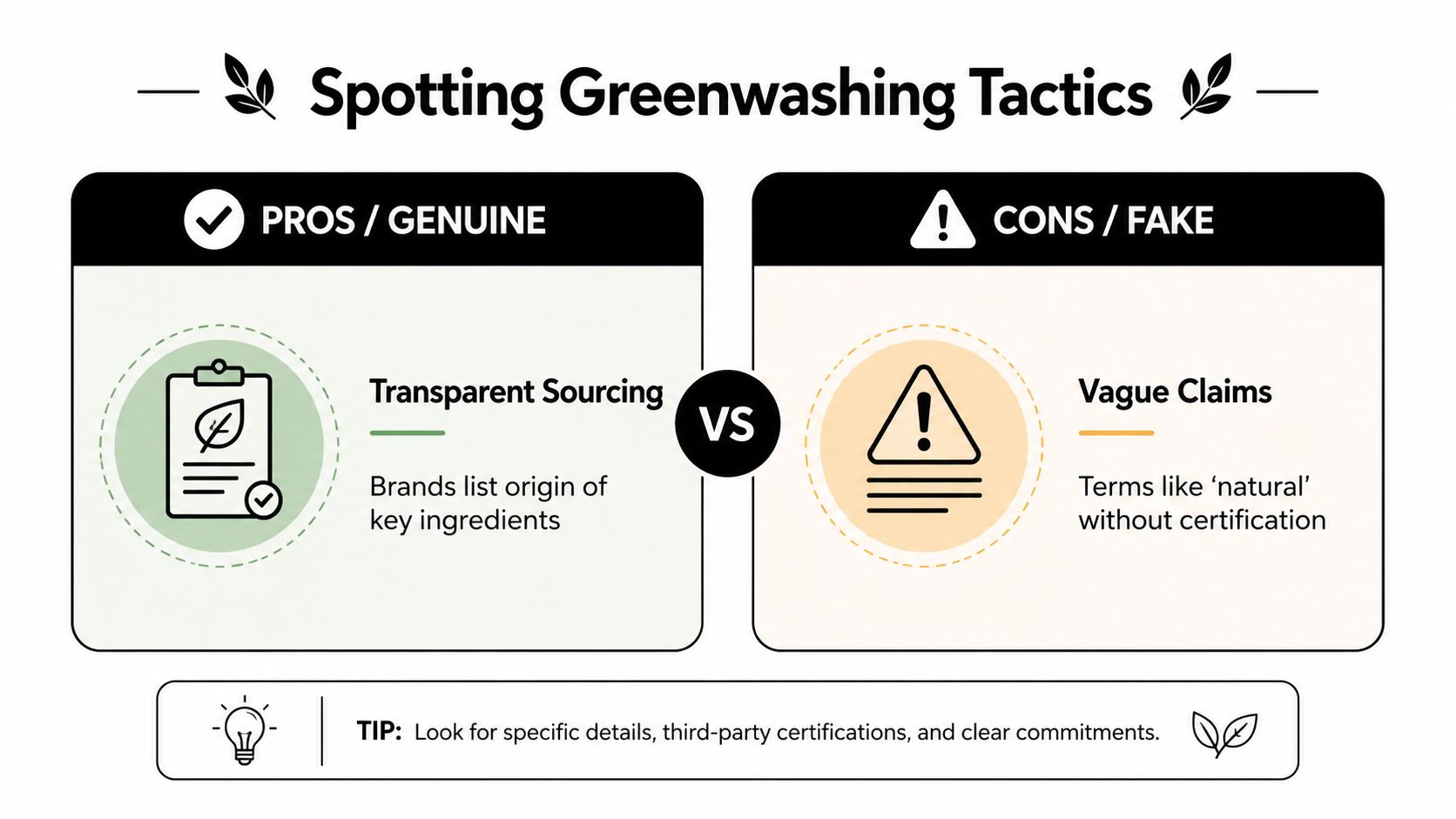
Use a product-page checklist
Before you buy, look for these signals:
- Full ingredient declaration: You should be able to read the complete list, not just a highlight of a few hero ingredients.
- Specific sourcing language: “Organic botanicals” is less useful than identifying the ingredient, its origin, and how it's processed.
- Clear fragrance disclosure: A maker should distinguish fragrance-free from naturally scented.
- Practical use information: The page should explain where to apply the cream, what skin type it suits, and how to patch test.
- Preservation clarity: A water-based cream needs a credible explanation of how it remains safe and stable.
- Reachable maker: Direct contact gives you a chance to ask about allergens, batch practices, and formulation changes.
Be skeptical of absolute claims. “Chemical-free” is meaningless because every ingredient is a chemical, while “hypoallergenic” doesn't guarantee that your skin won't react. “Dermatologist tested” also needs context. Tested for what, on whom, and under which conditions?
A transparent independent brand doesn't need to bury the formula under a lifestyle story. It can tell you what the cream contains, what it avoids, and why the product was made. That information is much more useful than a green label or a vague promise of purity.
Why Buying Directly from Local Makers Upgrades Your Routine
Buying directly from an independent maker isn't a charitable decision. It's a quality-control decision. You have a clearer path to the person who chose the oils, designed the texture, filled the jars, and answers questions about the finished formula.
That direct relationship can reveal details a mass-produced product page rarely gives you. You can ask whether a cream is scented, how the maker approaches preservation, which skin types tend to prefer the texture, and whether the formula has changed. You can also learn how to store it properly and when to stop using it.

Look for care, not romantic packaging
Independent brands aren't automatically better. Some are transparent and careful. Others lean on the same vague “clean” language as large companies. The advantage comes when a maker combines direct communication with disciplined formulation.
A maker who talks openly about batch consistency, ingredient sourcing, packaging, and preservation is giving you useful quality information. A maker who only describes a cream as pure, toxin-free, and earth-loving is giving you a mood.
Freshness can matter for botanical materials, but don't assume a small batch is automatically more effective. Ask about manufacturing dates, storage, and product life instead of relying on the phrase “freshly made.” Good formulation practice still matters more than the size of the brand.
This short video offers another way to think about independent skincare and the personal connection behind products you use every day:
The best purchase is one where you understand the formula and can reach the maker if you need help. That's a more meaningful upgrade than paying for a larger marketing budget.
Finding Trustworthy Independent Skincare Brands
Start with the maker, not the trend. Search for independent brands and local makers who publish complete ingredient lists, explain their formulation choices, and make it easy to ask questions before buying. A polished website is pleasant, but specific answers are the trust signal.
Vet the product page
Use this quick filter:
- Read the full deck. If the ingredients are missing, move on.
- Check the scent. Confirm whether the formula contains parfum, essential oils, or fragrant extracts.
- Match the texture. Choose a balm for targeted dry areas and a lighter cream for broader facial use when that suits your skin.
- Ask about preservation. Water-based products should come with a clear safety and storage explanation.
- Look for direct contact. A real maker should be reachable through a useful product page or contact channel.
- Buy one product first. Test tolerance before rebuilding your entire routine.
Curated marketplaces can reduce the search noise by bringing independent brands into one place. Loyaltie's marketplace for independent local producers gives shoppers a way to discover products and buy directly from makers across the US, while still letting you evaluate each listing on its own terms.
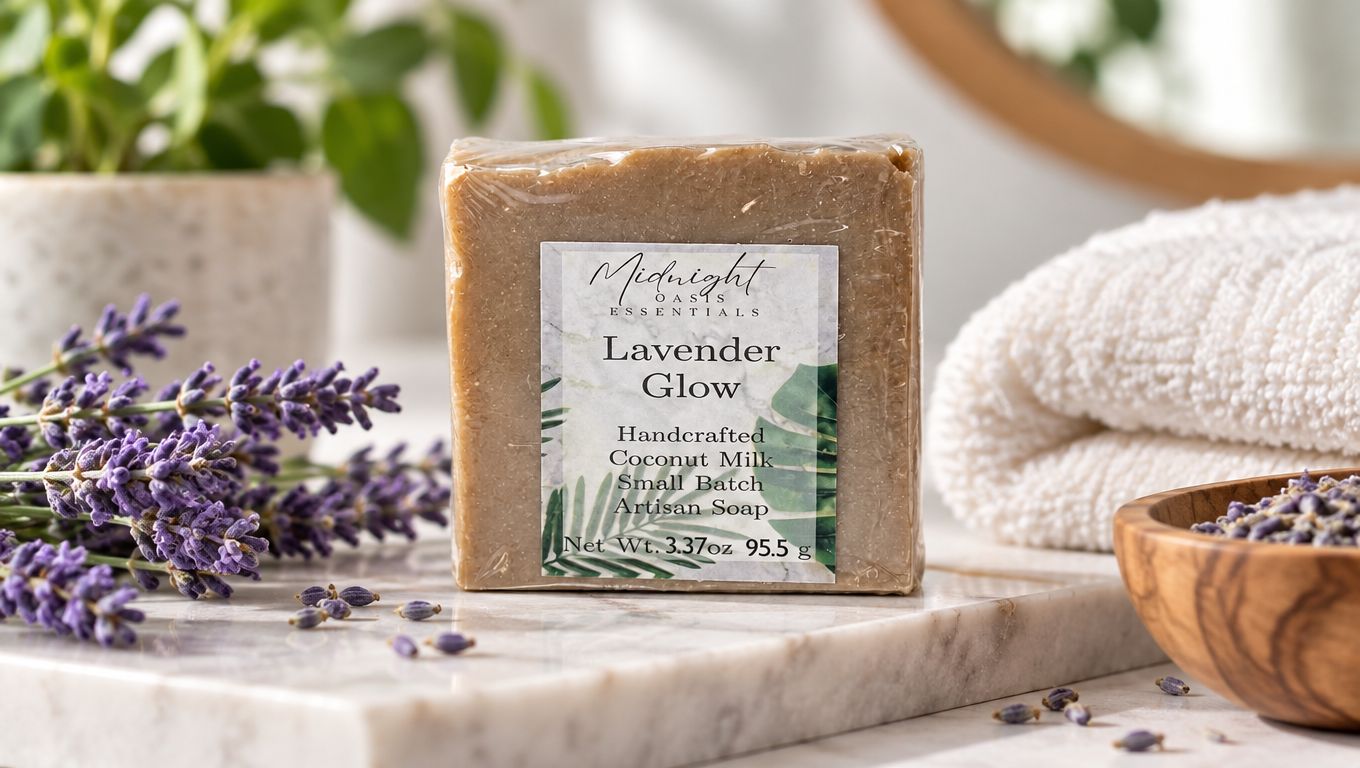
For a simple body-care example, Lavender Glow Artisan Soap | Midnight Oasis Essentials by Loyaltie is described as a small-batch cold process bar made with avocado and olive oils, plus coconut milk and aloe vera juice for a creamy feel. It's not a face cream, but it shows the kind of product detail you should expect when a maker explains what goes into an everyday skincare item.
The goal isn't to find a jar with the most natural-sounding vocabulary. It's to find a product with a sensible formula, honest labeling, suitable preservation, and a maker who stands behind the work.
Loyaltie helps you discover and buy directly from independent brands across the US, including local makers offering skincare and other everyday products. Visit Loyaltie to compare real ingredient details, connect with makers, and choose a natural skin cream that fits your routine instead of your marketing expectations.