

You can make a beautiful product and still lose the sale at the front door.
That's the part a lot of makers learn the hard way. The box was insulated. The ice packs were cold. The label said perishable. Then the package landed late in the afternoon, sat outside, or rolled into a weekend delay, and the customer opened something that wasn't at its best.
If you want to learn how to ship perishable food, think beyond the box. Good packing matters. But the shipments that arrive in great shape usually have something else going for them too: better timing, cleaner handoff, and clear customer communication. I think of it as delivery choreography. The packing protects the product. The timing protects the packing.
Table of Contents
The Foundation of Safe Shipping
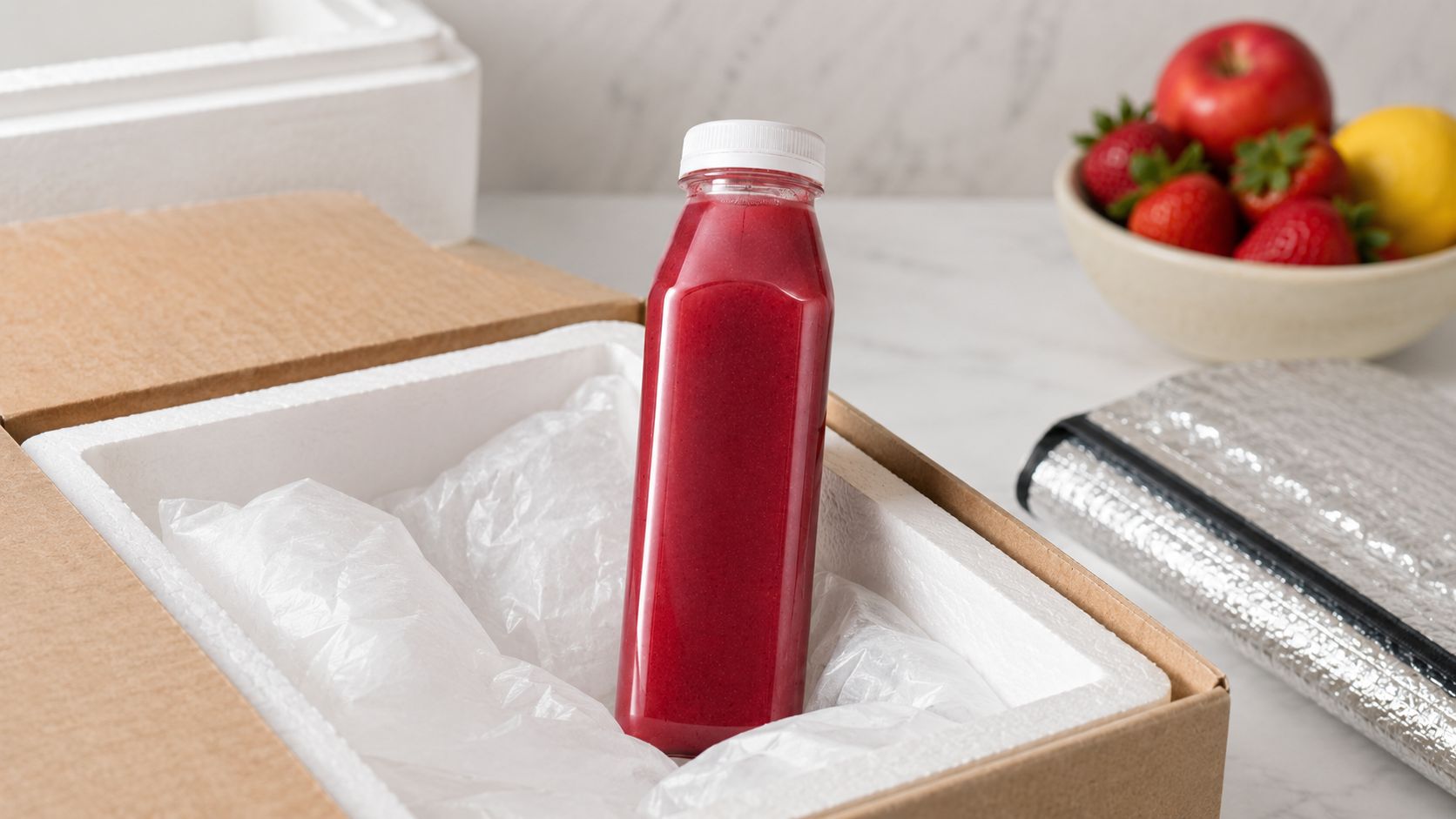
A perishable order can leave your shop cold, clean, and packed correctly, then still turn into a refund because delivery happened at the wrong hour. I have seen solid shipments fail after sitting in full sun on a porch, and I have seen good product get blamed because the customer did not realize the box needed immediate attention. Temperature control starts before pickup and ends after delivery. The coolant you choose has to match that whole handoff, not just the inside of the box.
FedEx treats perishables as a temperature-control shipment in its perishable shipping guidance. The practical read is straightforward. Choose coolant for the temperature range you need to hold, bag any meltable or leak-prone item, use insulation thick enough for the route, seal the carton with H-taping, and label the package clearly so both handlers and recipients know what they are dealing with.
Cold chain first, box second
Coolant holds temperature. It does not pull a warm product down fast enough to fix a rushed pack-out.
That distinction saves money and claims. If juice, sauces, prepared meals, or dairy go into the shipper warmer than planned, you usually need more coolant, tighter transit time, and more luck at the doorstep. The better routine is boring and repeatable. Pre-chill the product fully, stage coolant in the same environment, and close the box only when pickup timing is confirmed.
Products sold on freshness need tighter delivery choreography. A bottle like Krazy Kale cold-pressed juice that ships chilled can travel well if the customer knows the delivery day, the shipment avoids weekend drift, and the box is built for that lane instead of a generic transit estimate. The same principle applies to add-on items meant to keep a drink cold after arrival, such as a temperature-display insulated travel mug for chilled beverages. Product quality depends on the full experience around the handoff.
Match the shipping plan to the food
Different foods fail in different ways, so the coolant decision should start with the delivery window you can realistically control.
Gel packs work well for chilled items that should arrive cold but not frozen. They are easier to handle, simpler for many customers, and usually fit a smoother unboxing experience. Dry ice buys more temperature protection for frozen goods and hotter routes, but it comes with labeling rules, ventilation needs, and a narrower margin for packing mistakes. It also changes the customer message. Recipients need to know the box may vent gas, the contents can be extremely cold, and the package should be opened promptly.
The question is what happens in the last mile. Is the box going to a house where someone is home at noon, or to an office that stops receiving before the driver arrives? Will the package sit in shade, in a parcel locker, or on a third-floor landing with direct sun? Those answers affect coolant choice as much as the food itself. A shipment with perfect insulation and the wrong delivery timing still fails.
Packaging design is also a product design decision. BFC Logistics on packaging design makes that point clearly. In practice, every coolant choice carries a trade-off. More gel packs add weight and freight cost. Dry ice can protect frozen product better, but it raises handling complexity and can overwhelm a customer who was expecting a simple doorstep delivery. The best setup is the one that survives the actual route, with actual carrier performance, at a cost you can repeat without guessing.
Start with the moment the customer cuts the tape. Then work backward to choose the coolant load, ship day, cutoff time, and delivery instructions that make that moment predictable.