
Most advice about a healthy tortilla chip alternative starts with the wrong question. It asks whether the bag says baked, veggie, multigrain, or gluten-free. You should start with the nutrition panel, ingredient list, serving size, and processing level instead.
A better chip can mean lower sodium, more fiber, a more satisfying legume base, or just fewer unnecessary ingredients. It doesn't have to win every nutrition category. It does need to offer a clear advantage over the chips it replaces.
The comparison below gives you a practical starting point.
| Alternative | Main advantage | Main trade-off | Best use |
|---|---|---|---|
| Baked corn chips | Familiar tortilla flavor and lighter crunch | May still be high in carbohydrate and calories | Salsa and everyday dipping |
| Bean or lentil crisps | Often more fiber and protein potential | Can feel dense or dry | Longer-lasting satiety |
| Vegetable-based chips | Distinct flavors and colorful ingredients | “Vegetable” doesn't guarantee better nutrition | Variety and flavor |
| Seed crackers | Nutty taste and sturdy texture | Can be calorie-dense | Thick dips and snack boards |
| Roasted chickpeas or beans | Recognizable, minimally processed ingredients | Not always a direct tortilla-chip substitute | Crunch without a chip-style formula |
| Homemade baked corn tortillas | Control over oil, salt, and seasoning | Requires preparation and portion awareness | Simple, fresh snacking |
Table of Contents
- Baked corn chips keep the ritual intact
- Bean and lentil crisps bring more substance
- Vegetable chips and seed crackers solve different problems
Why Most Diet Chips Fail the Health Test
A chip does not become healthy because its package says baked, veggie, or multigrain. Those words describe one feature, not the snack's full nutritional profile. Read the ingredient list and nutrition panel before trusting the front label.
Changing the base ingredient can leave the product's basic role unchanged. A cauliflower crisp may still rely on starch, oil, salt, flavoring, and a small amount of vegetable powder. A baked chip can contain less fat than a fried version while providing a similar calorie load. Baking improves one trade-off, not necessarily the whole snack.
The practical question is simple: what did the maker improve, and what stayed the same?
The ingredient list tells you what the package doesn't
Mass-produced diet snacks often preserve the familiar chip experience by changing one component at a time. Less oil may require another texture system. Replacing corn with cauliflower may call for refined starch to hold the crisp together. Cutting fat can also lead to heavier seasoning, which keeps the snack tasting intense.
That does not make every packaged alternative a poor choice. Judge it as a finished product rather than accepting a wellness promise.
Look for:
- A meaningful base ingredient: Whole corn, chickpeas, lentils, beans, or seeds should appear clearly in the recipe, not serve as a decorative front-of-package claim.
- A measurable advantage: More fiber, less sodium, higher protein, or lower fat can all matter, but the nutrition panel should show the improvement.
- A manageable seasoning system: Check sodium, added sugars, and saturated fat, even when the product uses plant-based ingredients.
- A realistic serving size: A small listed serving can make a snack look favorable until dipping and repeated handfuls enter the picture.
Practical rule: If the front says “veggie” but the nutrition panel shows no useful improvement, treat it as a different flavor of chip rather than a healthier category.
Independent makers deserve a closer look because they may build snacks around recognizable ingredients instead of reformulating a mass-market chip around diet language. Roasted chickpeas, beans, nuts, or baked corn tortillas can offer a simpler route to crunch, though portion size and seasoning still matter.
For more ideas on replacing highly sweet or heavily processed snacks, Rip Van's guide to low-sugar snacks that satisfy cravings offers practical alternatives. Use the same standard there: choose the option with a clear nutritional advantage, not merely the most appealing package.
The Nutrition Benchmarks That Matter
A healthier chip earns its place through the nutrition panel, not a wellness claim on the front of the bag. Start with calorie density. Plain tortilla chips provide approximately 142 calories per 30-gram serving, based on a scaled USDA reference value, before salsa, queso, guacamole, or another dip (USDA-based tortilla chip nutrition data). That figure is a comparison point, not a verdict. Portion size still determines how quickly a casual snack becomes a substantial one.
Read fat with the same discipline. Baking may reduce fat while leaving calories fairly close to a conventional chip. Check saturated fat separately, then inspect the ingredient list. A sensible recipe can use oil effectively, while a heavily oiled formula may deliver crunch without offering a meaningful nutritional advantage.
Sodium often exposes the weakness in “better-for-you” positioning. The FDA Daily Value for sodium is less than 2,300 milligrams per day, and the Daily Value for fiber is 28 grams per day on a 2,000-calorie diet (FDA Nutrition Facts guidance). Use those figures to judge the serving, not the marketing language.
Use the label as a scorecard
| Nutrient | Target per serving | Why it matters |
|---|---|---|
| Fiber | At least 4 grams is a useful starting point, with 5 grams providing about 18% of the FDA Daily Value | Supports fullness and gives the snack more substance |
| Sodium | Preferably below 230 milligrams, with 140 milligrams or less indicating a stronger low-sodium position | Shows how aggressively the product is seasoned and how it fits your daily intake |
| Protein | Look for a meaningful amount from beans, lentils, chickpeas, or seeds | Can improve satisfaction between meals |
| Saturated fat | Keep it moderate within the overall meal or snack | Prevents a health-focused label from masking a weaker fat profile |
| Added sugars | Keep them low unless the product is intentionally sweet | Keeps a savory snack from becoming a disguised sweetened food |
| Calories | Compare products using the same serving weight | Avoids misleading differences created by serving sizes |
Fiber is a strong reason to favor whole grains and pulses over a product that merely borrows their language. The FDA says fiber can support fullness, reduce calorie intake, help lower LDL cholesterol, and moderate rapid rises in blood glucose after meals (FDA dietary fiber guidance). That guidance also directs shoppers toward whole-grain foods and notes that at least half of grain choices should come from whole grains.
The Linus Pauling Institute cites a meta-analysis of 10 large prospective cohort studies associating about three daily servings of whole grains with a 21% lower risk of cardiovascular disease than the lowest intake, after adjustment for major risk factors (Linus Pauling Institute nutrition information). That source link repeats the FDA dietary fiber guidance URL, so the claim should not be treated as an independent citation. The practical takeaway remains clear: choose a chip with a substantial whole-grain ingredient and quantifiable fiber, while recognizing that it is still a snack.
For a wider view of food choices and wellness priorities, the Venus Health Co. nutrition guide helps place one snack within an overall eating pattern rather than judging an entire bag in isolation.
Comparing the Top Crunch Contenders
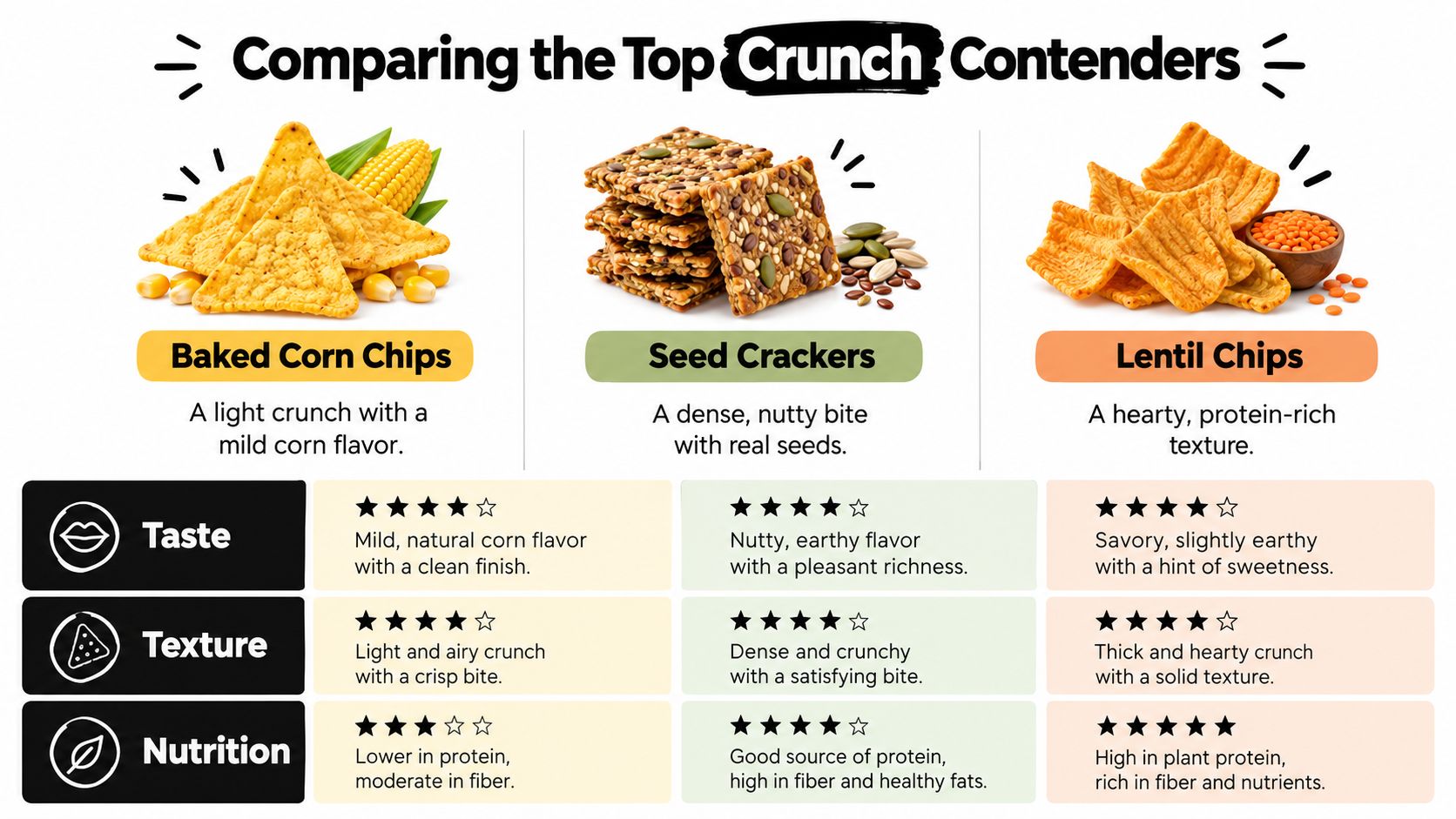
The best healthy tortilla chip alternative depends on which compromise you can accept. Baked corn chips preserve the tortilla ritual, lentil crisps add a more substantial bite, seed crackers bring density, and roasted chickpeas deliver crunch from recognizable ingredients. Judge them by the full nutrition panel and ingredient list, not by front-of-package health language.
Baked corn chips keep the ritual intact
Choose baked corn chips for classic tortilla flavor, a light snap, and reliable performance with salsa. Their main advantage is familiarity. They work with chunky dips and let you keep the usual snack routine without adjusting to a completely different texture.
The nutrition trade-off is modest. Baking may reduce fat, but it does not automatically produce a high-fiber or low-calorie snack. Check whether whole corn appears prominently in the ingredient list, compare sodium, and do not confuse a lighter texture with a different food altogether.
Bean and lentil crisps bring more substance
Legume-based chips are the strongest candidates when satiety matters. Chickpeas, beans, and lentils can contribute protein and fiber, while independent makers can build the recipe around a meaningful legume ingredient instead of adding a token vegetable claim to a starch-heavy formula.
Texture is the weak point. Some products feel dense, powdery, or brittle beside a corn chip. Pair them with hummus, bean dip, or thick salsa. Watery dips can make their structural limits obvious.
Vegetable chips and seed crackers solve different problems
Vegetable chips may offer appealing flavor, but the vegetable name reveals little about the actual recipe. Inspect the ingredient order and nutrition panel for sodium, refined starch, and added fat. “Vegetable” is a reason to investigate, not proof of better nutrition.
Seed crackers suit whipped feta, guacamole, and other spreads because their firm, dense bite holds up well. They may feel more satisfying than a thin corn chip, yet their seeds and added fats can make them calorie-dense. Serve a deliberate portion when a snack board includes several rich foods.
Roasted chickpeas and beans provide the clearest whole-food route. They will not imitate a tortilla chip perfectly, but recognizable ingredients and a crisp texture make them a credible alternative. For a more unusual savory option, try crispy mushroom snack bites, which take the snack in an umami-focused direction.
Independent makers can improve these categories through cooking methods and ingredient choices, including traditional corn preparation or fats such as avocado oil and beef tallow. Better flavor does not erase calories, sodium, saturated fat, or fiber from the comparison. Choose the product whose complete nutrition profile matches the way you plan to eat it.
Matching Your Snack to Your Health Goals
The best healthy tortilla chip alternative depends on the job you need it to do. Sodium reduction, lasting fullness, and lower processing require different choices. Ignore the front-of-package promise and judge the full ingredient list, nutrition panel, and portion you will eat.
If sodium is your priority
Choose the lowest-sodium option that still tastes good without requiring a salty dip. Compare milligrams per serving rather than trusting lightly salted. The FDA reference is less than 2,300 milligrams of sodium per day, so a 230-milligram serving uses 10% of the Daily Value (FDA Daily Value guidance).
Plain roasted chickpeas, unsalted nuts, and homemade baked corn tortillas give you more control. Add lime, smoked paprika, garlic, cumin, or chili yourself, instead of accepting a heavily seasoned recipe.
If fullness is your priority
Look for fiber and protein first. A product containing 4 grams of fiber per 30-gram serving contributes roughly 14% of the fiber Daily Value, while 5 grams contributes about 18%, using the FDA's 28-gram fiber reference noted above. Legume crisps, roasted beans, and whole-grain products deserve closer attention than airy chips built mainly from refined starch.
A dip can make a modest portion more satisfying. Black bean salsa, hummus, and Greek-yogurt-based dips add substance, while a salty dip mainly increases the snack's sodium load.
If you want less ultra-processed food
Choose ingredients you recognize and preparation methods you can explain. Whole corn, lime, salt, chickpeas, lentils, seeds, and spices are easier to assess than a long formula centered on refined starches, flavor systems, and stabilizers.
Harvard Health includes chips among ultra-processed snack foods that tend to be low in fiber, vitamins, and minerals, while noting that these foods are commonly higher in saturated fat, salt, and sugar (Harvard Health discussion of ultra-processed foods). That does not make every packaged chip unacceptable. It supports rotating in roasted legumes, homemade tortilla pieces, nuts, and fresh produce.
Terms such as grain-free, plant-based, organic, and gluten-free answer particular sourcing or dietary questions. They do not show whether a snack offers useful fiber, moderate sodium, sensible fat, or limited processing.
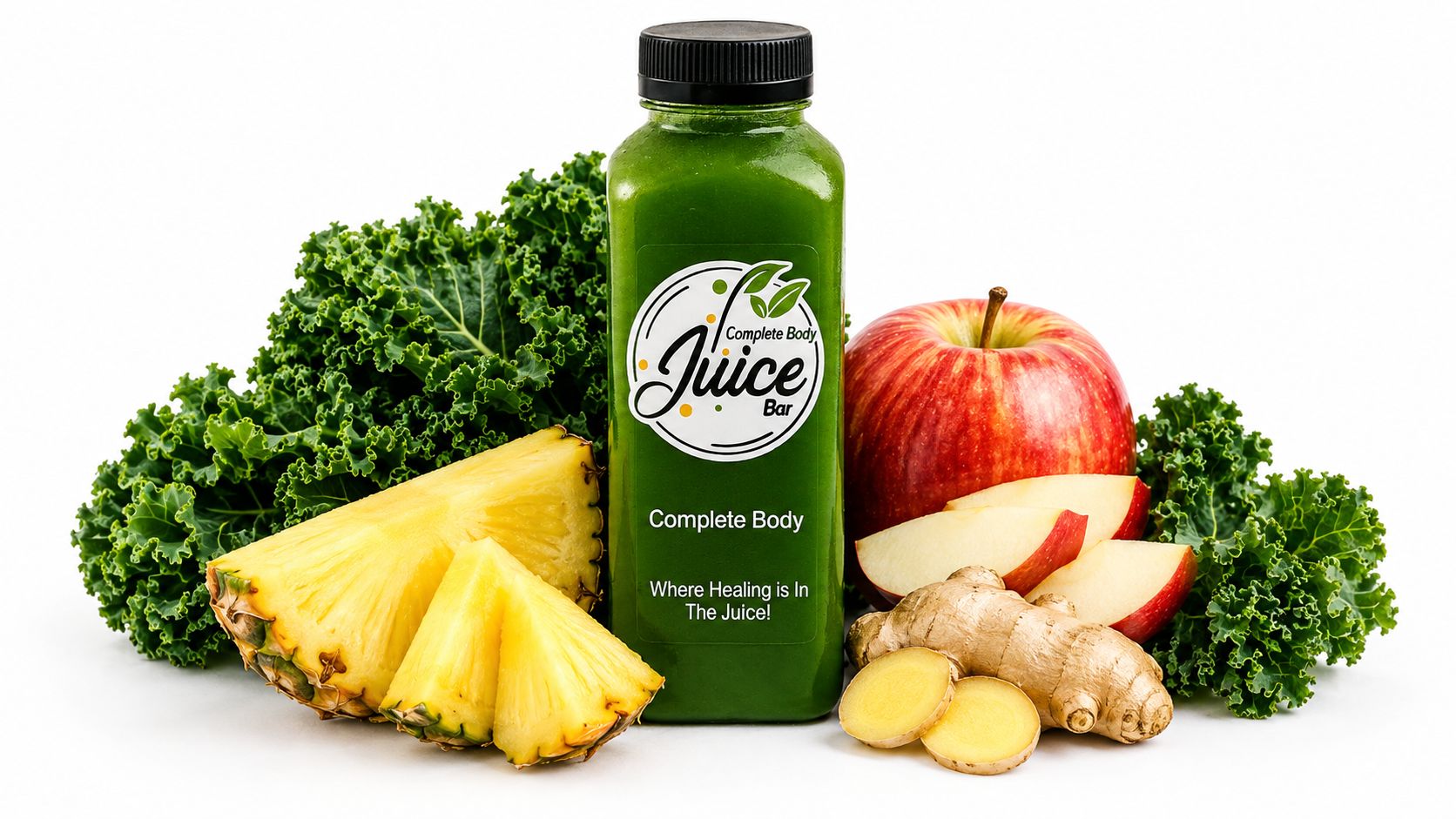
If you are pairing savory crunch with something fresh rather than another bagged snack, Krazy Kale Cold-Pressed Juice (12 fl oz), Kale, Pineapple, Apple & Ginger | Ships Chilled | Complete Body Juice Bar by Loyaltie combines kale, pineapple, apple, and ginger. Check its sugar content just as carefully as you check a chip bag, since a fresh-sounding drink still contributes to the snack's overall nutrition.
Sourcing Better Snacks from Independent Makers
The strongest reason to buy from an independent brand isn't charity. It's product visibility. A local maker has a clearer story to tell about the corn, beans, seeds, oil, seasoning, and method used to make the snack. You can ask questions, read a more specific ingredient description, and decide whether the product's advantage is real.
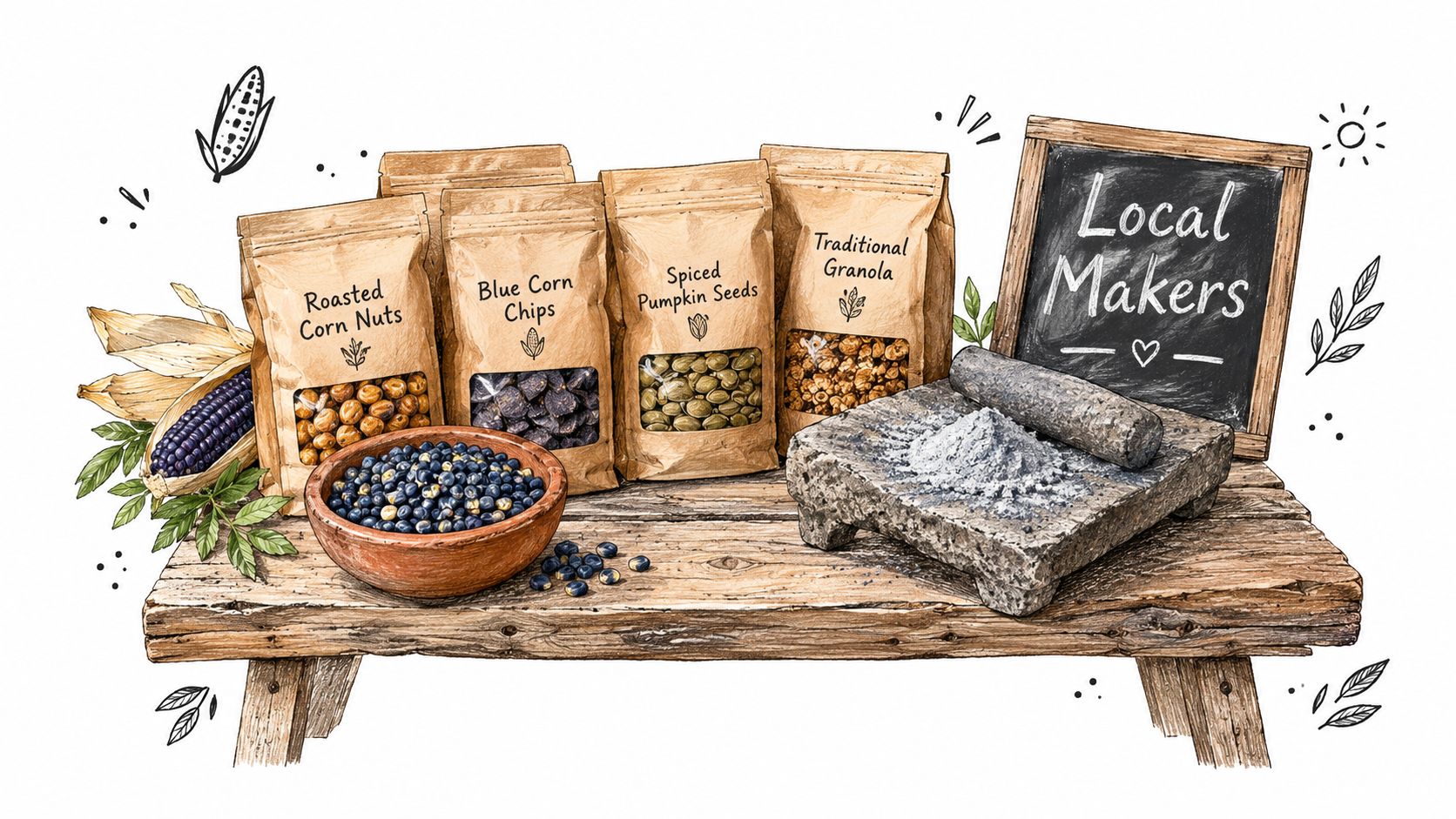
Mass distribution rewards long shelf life, consistent shipping, and low unit cost. Those constraints can encourage formulations built around inexpensive starches, heavy seasoning, and preservation needs. Independent makers aren't automatically healthier, but they can make a more focused product with a clearer ingredient identity and a tighter connection between recipe and finished snack.
The US direct-food system already includes processed and value-added products, not only raw produce. In 2020, more than 147,000 US farms sold food through direct-marketing channels, generating $9.0 billion in revenue, with $2.9 billion coming through direct-to-consumer channels such as on-farm stores and farmers markets (USDA direct marketing data).
Buy direct, then ask better questions
When you find a promising maker, ask:
- What is the main ingredient? Is it whole corn, chickpea flour, lentil flour, seeds, or a refined starch blend?
- What does one serving contain? Look for fiber, sodium, protein, saturated fat, added sugars, and calories together.
- How is the product made? Baking, roasting, traditional cooking, and frying each create different trade-offs.
- What changes between batches? A maker who communicates clearly about ingredients and labels earns more trust than a bag covered in vague wellness language.
USDA direct-sales data includes farmers markets, farm stores, roadside stands, community-supported agriculture arrangements, online sales, mobile markets, and other channels. In 2015, consumers represented 35% of $8.7 billion in direct farm food sales, and 69% of farms with direct sales used direct-to-consumer selling (USDA local food marketing highlights). Online discovery matters because you don't need to live near the maker's market stall to buy from the producer.
Loyaltie is one marketplace where people can discover and buy directly from independent brands in the US, including food and wellness producers. You can also explore products such as a microgreens variety box when building a snack routine around fresh ingredients rather than relying on packaged crunch alone.
A practical sourcing guide such as this no-BS guide to sourcing products can help you evaluate the maker, ingredient origin, and buying process with more discipline.
The goal isn't to reject every mass-produced snack. It's to stop accepting marketing language as a substitute for useful information. Independent brands can offer a better tasting, more transparent option when their labels support the promise.
Elevating Your Snack with Smart Pairings
A chip rarely causes the whole snack to go off course. The bigger issue is building a plate where every component adds more salt, oil, or refined starch. Choose one satisfying crunch, then pair it with something fresh, acidic, creamy, or protein-rich.
For baked corn chips, make a fast black bean salsa with drained black beans, tomato, onion, lime, cilantro, and chili. The beans give the dip more substance, while lime and tomato keep the flavor bright. Use a modest scoop of chips and let the salsa do more of the work.
Seed crackers need a sturdy partner. Try whipped feta with lemon and herbs, or blend plain yogurt with cucumber, garlic, and dill for a cool contrast. Because seed crackers already bring a dense bite, you don't need a heavy cheese spread and a rich dip on the same plate.
Lentil or chickpea crisps work well with guacamole, especially if you add chopped tomato, radish, or fresh salsa to bring acidity and crunch. For a ready-made salsa option, roasted tomatillo salsa verde can bring tomatillo, onion, garlic, and mild heat to a taco-style snack.
Build a balanced board with three elements:
- One measured crunch: Choose baked corn chips, legume crisps, seed crackers, or roasted chickpeas.
- One substantial dip: Use beans, yogurt, feta, hummus, or avocado rather than relying only on a thin sauce.
- One fresh contrast: Add cucumber, peppers, tomatoes, radishes, or fruit to slow the pace and vary the texture.
The best pairing makes the healthier choice feel like the more delicious choice, not a compromise.
Serve the snack on a plate instead of eating from the bag. You'll see the portion, taste the dip more clearly, and have an easier time deciding whether you want more.
Loyaltie helps you discover and buy directly from independent food and wellness brands across the US, so you can compare ingredients and find alternatives to mass-produced snacks. Visit Loyaltie to explore local makers and build a snack routine around products with a clearer story and a better reason to be in your pantry.