

You're standing in a shop or scrolling late at night, holding two versions of the same thing in your head. One is factory-made, polished, and easy to replace. The other was made by a person who picked the clay, stitched the seam, or finished the wood by hand, and it feels like the better fit before you've even brought it home.
That feeling is usually right, but buying well takes more than taste. With handmade home goods, you're not just choosing a look. You're choosing how an object is built, how it will age, and whether you'll still feel good about it after the first wash, the first spill, or the first season of use.
Table of Contents
What Handmade Home Goods Actually Are
You're comparing a factory-made bowl with one thrown by a maker in the next town over. Both hold soup. Only one carries the marks of the person who made it, the materials they chose, and the limits of a small-batch process.
Handmade home goods are everyday items made by independent makers in small runs or one at a time. That can mean décor, textiles, kitchenware, storage, rugs, pillows, wall art, trays, and furniture accents. The common thread isn't just that they're “made by hand,” it's that the maker has direct control over the material, finish, and final look.

The category isn't tiny. One major estimate places the global handicrafts market at USD 739.95 billion in 2024, with growth projected to USD 983.12 billion by 2030 at a 4.9% CAGR from 2025 to 2030, which means handmade and craft-based goods are part of a large, growing consumer market, not a side hobby economy. That same estimate points to demand for unique, culturally significant, and eco-friendly products, which fits home goods especially well because people want objects they'll live with. Grand View Research's handicrafts market report is useful background if you want the bigger picture.
What belongs in the handmade bucket
A handmade ceramic vase, a hand-loomed throw, a carved cutting board, a woven basket, a hand-poured candle vessel, or a rug finished in a small workshop can all sit in this space. The exact item matters less than the way it was made and how much of the process the maker still controls.
The broader home décor market helps explain why this category has room to breathe. One estimate values it at USD 802.26 billion in 2025, with growth to USD 1,299.88 billion by 2034 at a 5.27% CAGR from 2025 to 2032. Another projects USD 609.35 billion in 2025 growing to USD 1,011.64 billion by 2035 at 5.20% CAGR. Both point to the same thing, home-related spending stays large and resilient, so handmade pieces aren't competing with a niche hobby, they're competing inside one of the biggest categories in consumer goods. Expert Market Research's home décor market overview makes that easy to see.
Practical rule: if the product page can't tell you what it's made of, how it's finished, and who made it, you're looking at style first and substance second.
Why People Choose Handmade Over Mass-Produced
A lot of people think they buy handmade because they want something prettier. That's part of it, but it is not the main reason they keep coming back. They buy handmade because the object usually feels better in the hand, lasts longer in the room, and comes with a real story instead of a generic one.
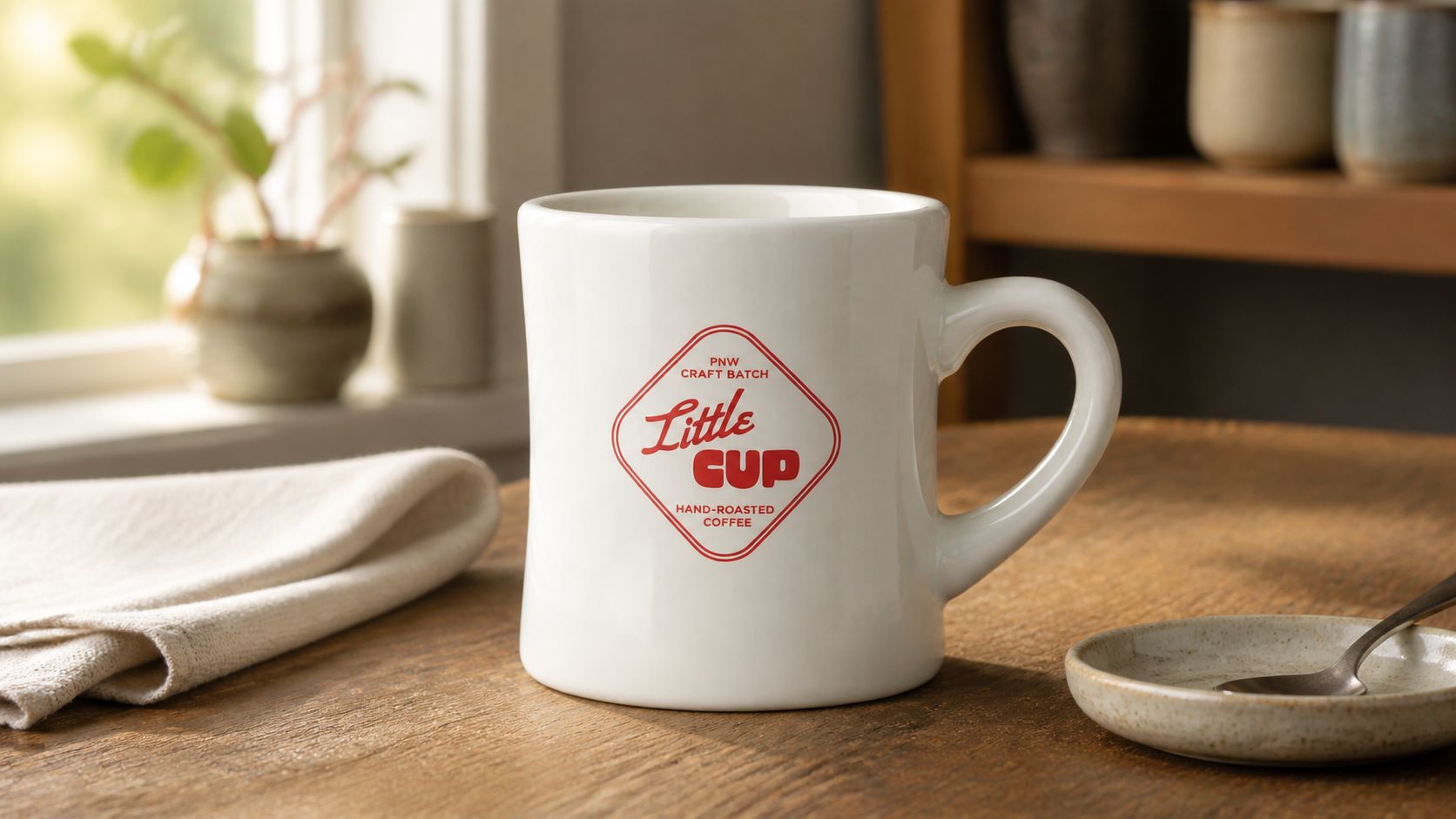
A good example is the Ceramic Diner Coffee Mug, Sturdy Glazed Stoneware, Cozy Grip Handle, Microwave & Dishwasher Safe, 1 Mug | Little Cup Coffee by Loyaltie. It brings that classic diner-coffee comfort home, with sturdy glazed stoneware, a cozy grip handle, and a shape that suits slow mornings and late-night refills. That is the kind of everyday object people return to because it fits how they live.
Quality, sustainability, and direct connection
The first reason is quality. Handmade home goods often give you more material honesty, better finishing, and a clearer sense of what you are buying. A maker can choose thicker clay walls, denser weave, tighter joinery, or a finish that matches the item's real use. That does not make every handmade object flawless, but it does mean the person building it can optimize for the object instead of a factory line.
The second reason is sustainability. Handmade does not automatically mean low-impact, but small-batch production can reduce the feeling of waste that comes from disposable décor and short-lived trend pieces. Buyers often want objects they will keep, repair, or repurpose rather than replace every season. A repurposed vessel used for a candle is a good example of that mindset, and a vintage-silver sugar bowl candle from A Second Life shows how reused materials can become a daily object with a second life.
The third reason is direct connection. Some buyers do care that the money goes straight to the maker, but the bigger point is simpler, you are buying from a person who can answer questions, explain materials, and stand behind the work. If you want a deeper example of how that kind of transparency helps separate real craft from mass-produced lookalikes, how to verify statue authenticity is a solid read.
You are not paying for sentiment. You are paying for a better object, clearer information, and a closer relationship to the person who made it.
Independent buyers also recognize that value. Survey-style marketing data from AMRA & Elma's handmade-product marketing statistics supports what many buyers already know from experience, the right handmade piece earns its price when the quality is real.
How to Spot Quality in a Handmade Piece
A good handmade piece gives you clues before it ever arrives at your door. The listing should help you understand what the object is made of, how it was built, and what kind of daily use it can handle. If the description stays fuzzy, that usually means the maker is asking you to trust appearance instead of workmanship.
Read the material like a buyer, not a browser
Start with the material itself. Real wood should be named, not hidden behind “natural finish.” Natural fibers should be spelled out clearly, like cotton, linen, wool, or jute. Glazed ceramics should tell you what kind of glaze and use the maker expects, especially if the item touches food or hot liquids.
For handmade home textiles, detail matters because small differences show up quickly in the home. One industry QA manual sets fitted-sheet tolerances at ±1 inch for width and length and ±1/2 inch for pocket depth, while bath towels must meet minimum size bands such as 27 x 52 inches for basic and 30 x 54 inches for premium, with first-quality fabrics, one-shade lots, and a minimum AATCC gray-scale shade rating of 4.0. The HSN textiles QA manual shows that handmade goods can be held to real dimensional standards, not just admired for charm. That matters if you are trying to avoid the disappointment of a blanket that shrinks strangely or a towel that feels thinner than you expected.
Check construction before you check color
Look for stitched seams that are even, backs that are finished, edges that are bound or turned cleanly, and dye that doesn't look blotchy unless the maker says variation is part of the design. For ceramics, inspect the base, the handle join, and the glaze coverage. For wood, look for sanding, grain direction, and whether joints look intentional rather than forced.
The same habit helps with plant hangers, baskets, and other soft constructions. A listing for a macrame plant hanger with a natural cotton leaf vine design should make it easy to see the fiber, the hanging method, and the kind of pot it can support. If that information is missing, you are left guessing about weight, fit, and whether the piece belongs in a real room or only in a styled photo.
For area rugs, the build tells you almost everything. One handmade listing uses 94% wool and 6% other fibers, with a cut-and-loop pile, medium pile height of 0.5 to 1 inch, and cotton backing. Another natural-fiber option uses 85% jute, 10% latex, and 5% cotton, with flat-pile construction and a rug pad recommended for high-traffic areas. This handmade rug listing is a good reminder that pile type, backing, and fiber mix directly affect feel, wear, and maintenance. A rug can look beautiful in a photo and still be the wrong choice if the backing slips or the pile type does not match the room.
| Quality Signals by Category | Key Material Check | Construction Detail to Inspect | Red Flag |
|---|---|---|---|
| Ceramics | Named clay body and glaze | Even rim, stable base, smooth handle attachment | Vague material wording |
| Textiles | Specific fiber content | Finished seams, consistent weave, clear care note | “One size fits most” with no measurements |
| Wood goods | Real wood species or clearly stated reclaimed material | Sanded edges, solid joinery, even finish | No mention of sealing or finish |
| Rugs | Fiber mix and backing | Pile type, edge binding, pad guidance | No backing or care info |
If you want more context on craft partnerships that center workmanship, the Fountainhead New York tattoo collab is a useful example of how makers can talk about process without hype. The lesson carries over to home goods, strong work can describe itself clearly.
Understanding Price and What You're Really Paying For
A handmade mug sitting next to a grocery-store mug can cause instant sticker shock. That reaction is understandable, but it misses how the price is built. You are paying for the maker's time, the materials they chose, and the fact that the work was done in small batches instead of being spread across a huge production line.

The basic pattern is simple. When more of the process stays in the maker's hands, the upfront price usually rises. Textiles, ceramics, wood goods, and rugs can all move up in cost as the work slows down, the materials improve, or the piece becomes larger and more complex. That is not a defect in the category. It is the cost of making something with care.
What the price is covering
A handmade piece usually reflects labor time, material quality, small-batch overhead, and a direct relationship with the person who made it. The labor part carries a lot of weight, because one maker cannot spread their time across thousands of units. Material quality matters too, especially for objects that will face daily use, washing, or handling.
The gap between categories is easy to see. The infographic below shows typical price bands for handmade goods, and they make sense once you connect them to the work involved. Textiles often sit lower than rugs, while wood accents can climb faster because of cutting, sanding, and finishing. You do not need a full pricing formula to make sense of it. You only need to understand why one object feels disposable and another feels worth keeping.
The question is whether the price matches the object in front of you. Buyers often accept higher prices when the item feels finished, durable, and thoughtfully made, even before they compare it to mass-produced alternatives. As noted earlier, buyers of handmade products are often willing to pay more when the value is visible in the piece itself.
The better way to judge price is to ask whether the item is replaceable or worth keeping. Handmade home goods can usually be repaired more easily, cared for more intentionally, and tied to a room in a way that makes the purchase feel smarter over time.
Caring for Handmade Goods So They Last
The regret usually starts after the purchase, when the buyer realizes the item didn't come with enough care guidance. That's where handmade shopping often breaks down. People want beautiful objects, but they also want confidence that those objects can survive real life, coffee spills, greasy hands, pets, kids, and the occasional too-hot wash.
Start with the item's weakest point
For textiles, the biggest mistake is treating a hand-loomed piece like a throwaway sheet. Wash it gently, avoid harsh cycles, and follow the maker's fabric instructions closely. If the piece was block printed or dyed by hand, cool water and a gentle cycle help preserve the look, and air drying is usually kinder than high heat.
For ceramics, the key is respecting the glaze and the finish. Hand-wash when the maker suggests it, don't shock hot pottery with cold water, and store cups or bowls where they won't chip against harder surfaces. A well-made mug can handle daily use, but the base, rim, and handle still benefit from normal care instead of rough treatment.
Keep rugs and wood from wearing out unevenly
Area rugs need rotation, padding, and a little attention to traffic patterns. If one side sits under a sofa and the other gets the hallway grind, the wear will show faster than you expect. A rug pad helps with slip and gives the backing less direct abuse, especially in busy rooms.
Wood cutting boards and other wood goods need sealing and maintenance. If the maker recommends oiling, do it before the board dries out and cracks. Don't soak it, and don't leave it wet in a sink. Drying flat and wiping promptly matters more than many realize.
Practical rule: if an item touches food, skin, or the floor, care for it like it's part of your routine, not like a decorative prop.
The nice part is that handmade goods can absolutely meet retail-grade expectations when makers build them well. That's why the textile tolerances above matter. A well-made object deserves a few extra habits, and those habits usually pay you back in years instead of months.
Buying Locally and Safely Online
A good handmade listing should make you feel like you can inspect the piece before it lands on your doorstep. If the photos are vague, the material notes are thin, or the return policy is hard to find, that usually means you are being asked to trust the styling more than the object. The safer move is to slow down and check for evidence.
What to look for before you click buy
Start with the material list. Then look for real photos from more than one angle, not just a single styled shot that hides seams, edges, or the scale of the piece. Clear return policies matter because even a well-made handmade item can still be the wrong fit for your shelf, sink, or room.
Verified reviews help too, especially when they mention feel, finish, and durability instead of only saying the item is “cute.” You want to know whether the piece arrived as described, held up in use, and matched the seller's care notes. Details like that tell you more than a polished mockup ever will.
Buying through a marketplace that connects you directly to makers can reduce some of the guesswork. The Loyaltie marketplace is set up around discovery and direct buying from independent brands in the US, so you can compare real listings without hopping across a pile of separate sites. It also backs each order, which adds a little peace of mind when you are trying a new maker for the first time. If you are building your own shop presence, branded influencer outreach support can also help more people find the work without turning the listing into a sales pitch.
A smarter way to browse
Wall art is a simple example. A listing like this 8x10 hand-drawn art print from Chika Paper Studio shows why direct listings matter. You can see the object, the format, and the use case without having to guess what is included.
The same approach helps whether you are buying a mug, a basket, a pillow, or a candle vessel. Good online shopping for handmade goods is less about chasing the prettiest page and more about finding the seller who gives you enough detail to trust the piece, use it well, and avoid the regret that comes from a rushed purchase.
A Practical Guide for Independent Makers
If you make handmade home goods, your buyer is not looking for pity or a moral lecture. They're looking for a better object, one that earns its place in the kitchen, bedroom, or living room. That means the work has to hold up to close inspection before the story ever matters.

Build the product first, then the listing
Use the same quality standards buyers use. If your seams wobble, your glaze pools in odd places, or your finish feels rushed, fix that before you write a product page. Strong craftsmanship makes the rest of the marketing easier because the object can speak for itself.
When you write the listing, lead with specifics. Name the materials, say how the item was made, show real photos in natural light, and add honest care notes. If the item needs gentle washing, a rug pad, or occasional oiling, say that plainly. Buyers trust listings that feel like a conversation, not a pitch.
Meet buyers where they're already looking
Local buyers search online, and they often want the convenience of a marketplace without losing the direct line to the maker. That's where a platform like Loyaltie's Sell on Loyaltie path can help, because it gives you a place to show up where people are already shopping for independent brands. For makers who also want outside support with outreach and promotion, branded influencer outreach support from High Country Quilts is another route worth studying for how product stories can travel.
A few seller habits pay off again and again:
- Show the making details. Buyers want to see the weave, grain, stitch, or glaze up close.
- Explain use clearly. Tell people where the item belongs and how it behaves in the home.
- Answer the obvious questions. If a buyer has to guess about material, size, or cleaning, you've already lost trust.
- Keep the tone plain. If the object is good, it doesn't need inflated language.
Buyers don't need you to sound grand. They need you to sound informed.
Where to Go from Here
Pick one room in your home and choose one object you use every day. A mug, a towel, a rug, a bowl, or a wall piece is enough. Buy one handmade home good that fits how you live, and buy it from a maker who gives you real material details, real photos, and a reason to trust the work.
If you make these pieces, list one product today with full material transparency and an honest photo. Don't wait for the perfect catalog or the perfect launch moment. The people looking for better home goods are already searching for objects that feel good, work hard, and last.
Handmade home goods don't need to be romanticized, and they don't need to be defended. They're better objects made by real people, and the easiest way to keep that culture strong is to keep buying well.
If you're ready to shop with more confidence, visit Loyaltie to discover and buy directly from independent brands that make everyday objects worth keeping. You'll find a simpler way to choose pieces for your home, with the convenience of online shopping and the reassurance of buying straight from the maker.