
In the U.S., cod fish price per pound can now run from $3.58 to $5.82 at retail in 2026, with June 2026 reaching $6.92 per pound, depending on where you shop and what kind of cod you're buying. That's a sharp jump from $3.01 in 2021, which is why cod that once felt like an easy weeknight fish now makes a lot of shoppers pause at the seafood case.
If you've had that moment where you pick up a cod fillet, look at the label, and think, “Wasn't this supposed to be the affordable one?” you're not imagining it. Cod has moved into a different price bracket, and the sticker shock is real.
The good news is that a higher shelf price doesn't automatically mean you're getting better fish. Sometimes you are. Sometimes you're paying for handling, transport, or a vague “fresh” label that doesn't tell you much. If you want the best value, it helps to think like a fishmonger. Look past the lowest number on the sign. Pay attention to how the fish was frozen, where it came from, and who's selling it.
That's where independent brands and local makers can give you an edge. Buying directly from the maker, or from an independent fish counter that can answer your questions, often tells you more about quality than a supermarket sticker ever will.
Table of Contents
- Why Is Cod So Expensive Now
- What the national numbers actually tell you
- 2026 estimated cod price ranges per pound
- Once-frozen versus twice-frozen matters more than most shoppers realize
- Questions worth asking at the counter
Why Is Cod So Expensive Now
You walk up to the seafood counter planning tacos or fish and chips. Then you see cod priced high enough that salmon suddenly looks like a competing option. That's been a common experience lately, especially for shoppers who remember cod as the dependable, reasonably priced choice.
Part of the surprise comes from memory. A lot of us still think of cod as the fish that sat in the middle of the price board. But retail pricing has changed fast, and the old mental benchmark no longer helps much. Cod isn't priced like the cod many people remember from a few years ago.
What matters now is learning how to read the price in context. A higher number can reflect real quality. It can also reflect a longer trip through the supply chain, extra freezing, or weaker transparency from the seller.
Practical rule: Don't ask only “What's the cheapest cod today?” Ask “What am I actually paying for?”
That shift matters because value and price aren't the same thing. A clean, well-handled cod fillet from an independent fishmonger may cost more per pound and still be the better buy if it cooks up flaky, sweet, and moist instead of watery and bland.
Independent sellers often have an advantage here. They can explain where the fish came from, how it was handled, and whether it was frozen once or more than once. That kind of detail is often missing in mass retail. If you sell seafood or other food products and want to see how direct selling works in practice, Loyaltie's seller resources show how makers present quality clearly online.
The Average Cod Fish Price Per Pound in 2026
The primary number sought is simple: what does cod cost right now?
According to U.S. cod retail pricing data, the retail price of cod fish per pound reached $6.92 in June 2026, while the retail range for the same period ran between $3.58 and $5.82 per pound. The same source notes that cod was $3.01 per pound in 2021, which helps explain why so many shoppers feel like the price has changed overnight, even though it's been climbing for several years.
What the national numbers actually tell you
That range can look confusing at first. If cod hit $6.92 in June, why does the range also show lower figures? The easiest way to read it is this: there isn't one single cod fish price per pound. Retail pricing moves around based on seller, product form, timing, and handling.
At the counter, you're also not comparing identical products every time. A skinless frozen portion pack, a thicker center-cut fillet, and a neatly trimmed display-case piece may all be labeled “cod,” yet they can deliver very different cooking results.
If you compare seafood regularly, it can help to look at another fish category beside cod. This practical guide to tuna prices gives useful context for how seafood pricing shifts by cut, quality, and market channel.
2026 estimated cod price ranges per pound
Here's a simple shopping reference based on the verified U.S. retail numbers and the once-frozen versus twice-frozen pricing data covered later in this guide.
| Cod Type | Estimated Price Range |
|---|---|
| U.S. retail cod, general 2026 range | $3.58 to $5.82 per pound |
| U.S. retail cod, June 2026 point | $6.92 per pound |
| Once-frozen cod fillets | $5.81 per pound |
| Twice-frozen cod fillets | $4.31 per pound |
A few takeaways stand out.
- General retail cod can vary a lot: Even before you compare sellers, the verified retail range shows that cod doesn't sit at one stable shelf price.
- A handling difference can change the price: Once-frozen cod fillets at $5.81 per pound sit above twice-frozen fillets at $4.31 per pound, which hints at a quality story, not just a pricing one.
- The old “cheap white fish” assumption no longer works: The 2021 benchmark of $3.01 per pound is far enough behind today's numbers that it can mislead your shopping decisions.
A useful shopping habit is to compare labels within the same store first. The cheapest cod in the building may not be the weakest value, but it often deserves the most questions.
What Determines the Price of Cod
Cod pricing starts far from the seafood case. By the time you see a fillet on ice, several layers of cost and scarcity have already shaped that number.
Supply starts the story
One of the biggest reasons cod costs more is simple supply pressure. According to reporting on global cod supply and dockside pricing, global cod supply has declined by approximately one-third over the past decade, and that has directly caused a sixfold increase in dockside prices in high-value regions like Iceland and Norway. The same report notes that cod in those regions fetched $1.50 to $3.00 per pound in 2024.
When supply tightens, every step after the catch gets more sensitive. Buyers compete harder for quality fish. Processors become more selective. Retailers have less room to absorb mistakes or waste.
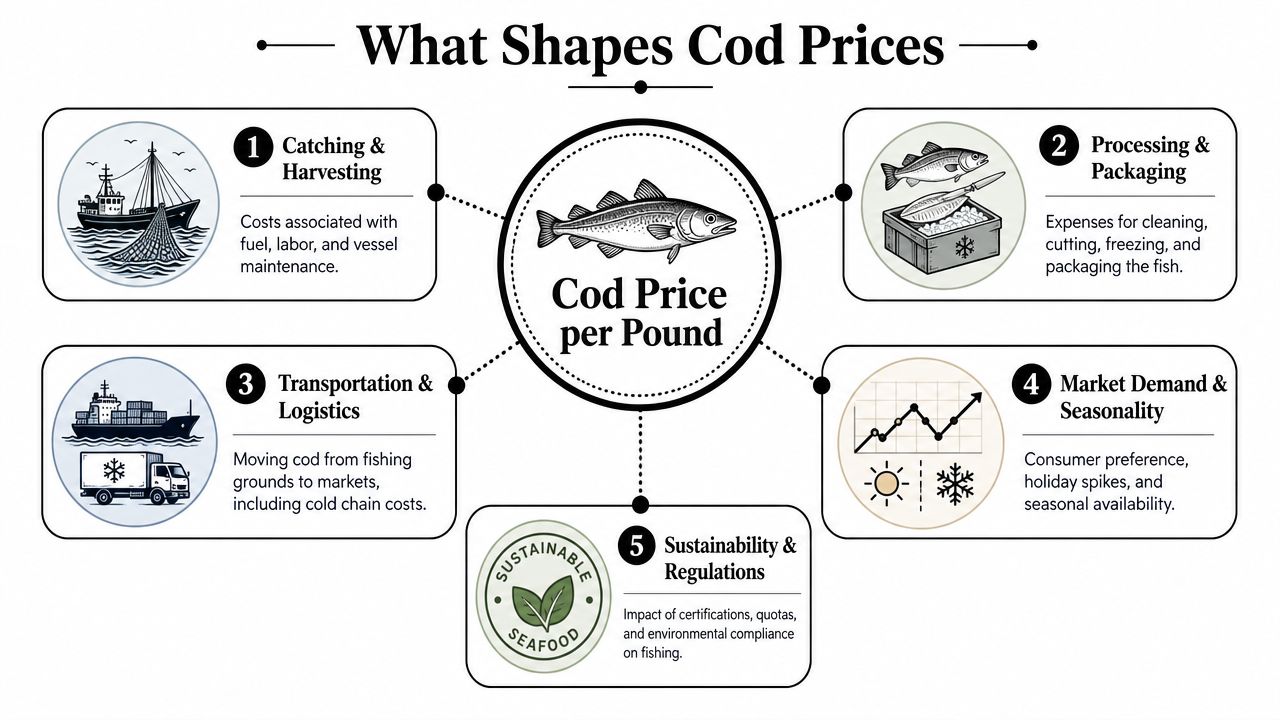
Here's a visual way to think about the moving parts:
Why the same fish can carry very different price tags
Even if two fillets come from the same species, they may not deserve the same price.
- Catching and harvesting: Boats burn fuel, crews need paying, and vessels need maintenance.
- Processing and packaging: Filleting, portioning, freezing, and packing all add cost.
- Transportation and logistics: Cold-chain handling matters with seafood, and every extra handoff can raise cost and reduce transparency.
- Market demand and seasonality: Shopper demand changes, especially when more people want lean, mild fish.
- Sustainability and regulations: Quotas and compliance can tighten supply and increase costs for sellers who do things carefully.
If a seller can explain handling in one or two clear sentences, that's usually a good sign. If the label says almost nothing beyond “cod fillet,” you're buying with less information.
This is one reason many shoppers move toward independent brands and local makers in food categories well beyond seafood. People often want fewer layers between producer and plate. The same instinct shows up in pantry shopping too. For example, Organic Pitted Deglet Nour Dates, Raw & Unsulfured, Soft Chewy Snack, 8 oz | CW Dressings by Loyaltie is described as pitted, raw, and naturally caramel-nutty, which gives a shopper concrete detail instead of a vague “healthy snack” label. Seafood buyers benefit from that same kind of specificity.
How to Get the Best Value Buying Cod Locally
If you want better cod for the money, stop chasing the absolute lowest number first. Start by looking for the fish that will eat well.
That usually means buying from a seller who can tell you more than the species name. Independent fishmongers, local seafood counters, and direct-from-maker sellers often do a better job here because they know their product history. They're not just moving anonymous inventory.
Once-frozen versus twice-frozen matters more than most shoppers realize
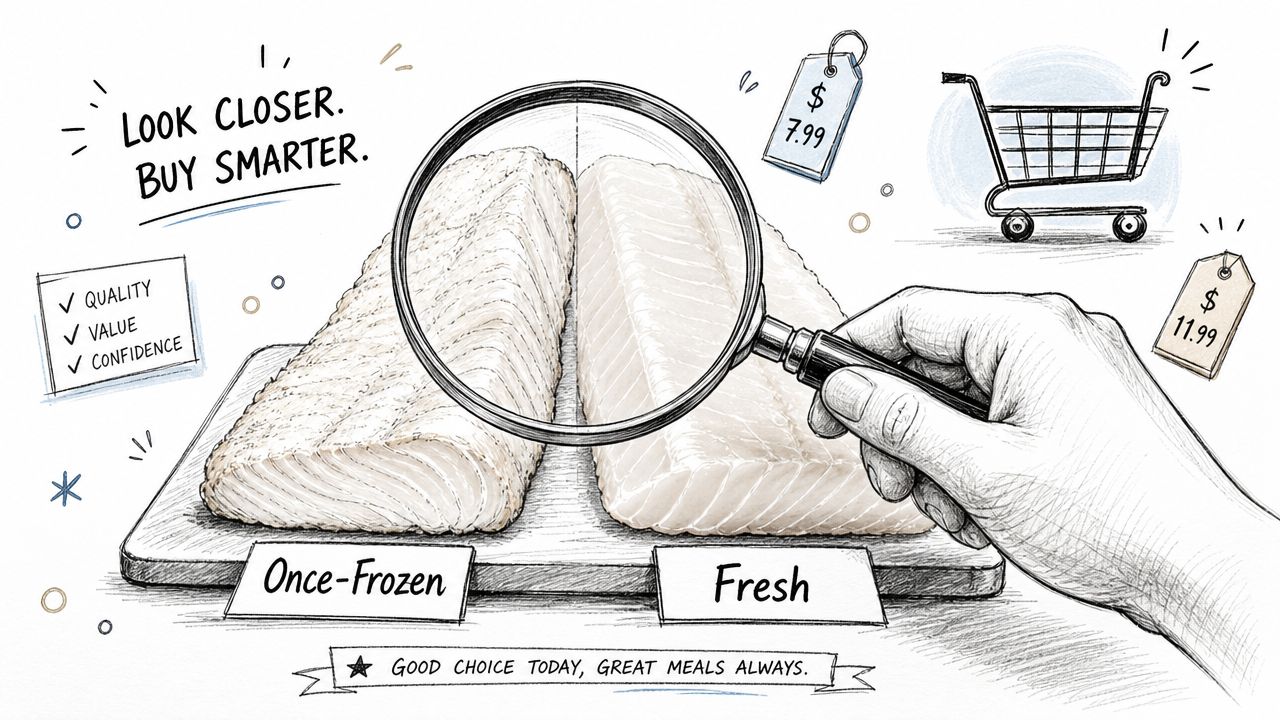
This is one of the easiest ways to avoid a bad buy. According to SeafoodSource's reporting on cod harvests and fillet pricing, the price gap between once-frozen and twice-frozen cod fillets has reached a five-year high of USD 1.50 per pound. The same report notes that once-frozen fillets sell for USD 5.81 per pound and twice-frozen for USD 4.31.
That difference matters because freezing history can affect texture and taste. A well-handled once-frozen fillet can be excellent. A twice-frozen fillet may still be usable, but it's more likely to shed water, soften oddly, or flake less cleanly in the pan.
Most shoppers never get that explained at the counter. They just see “frozen cod” in two spots with different prices and assume one store is overcharging.
Buying cue: If you're comparing fillets that look similar, ask which one was frozen only once. That single question can tell you more than the sale sign.
Questions worth asking at the counter
You don't need to sound like a chef. A few direct questions are enough.
- Was this fish frozen once or more than once? This gets to handling quality fast.
- When was it cut or packed? You're listening for a clear answer, not fancy wording.
- Where did this batch come from? A seller who knows the source usually knows the product better.
- How should I cook this cut? Good fishmongers can tell you whether a fillet is better for roasting, pan-searing, or gentle poaching.
Another practical trick is to track what you're seeing across stores instead of relying on memory. A simple grocery list app with prices can help you note cod prices, package size, and seller notes so you can compare value over time rather than guessing.
If you like buying directly from the maker across food categories, Loyaltie's marketplace for discovering and buying from independent brands in the US is one way to find sellers with clearer product detail and no middleman. That's useful when you care more about how something was made than whether it came from the biggest chain nearby.
A lower sticker price can still be the right choice sometimes. But if the fish cooks watery, tastes flat, and leaves you disappointed, it wasn't cheaper in any meaningful sense.
Guidance for Pricing Your Cod on Loyaltie
If you sell cod, price alone won't do the explaining for you. Shoppers need to understand why your fish costs what it costs.
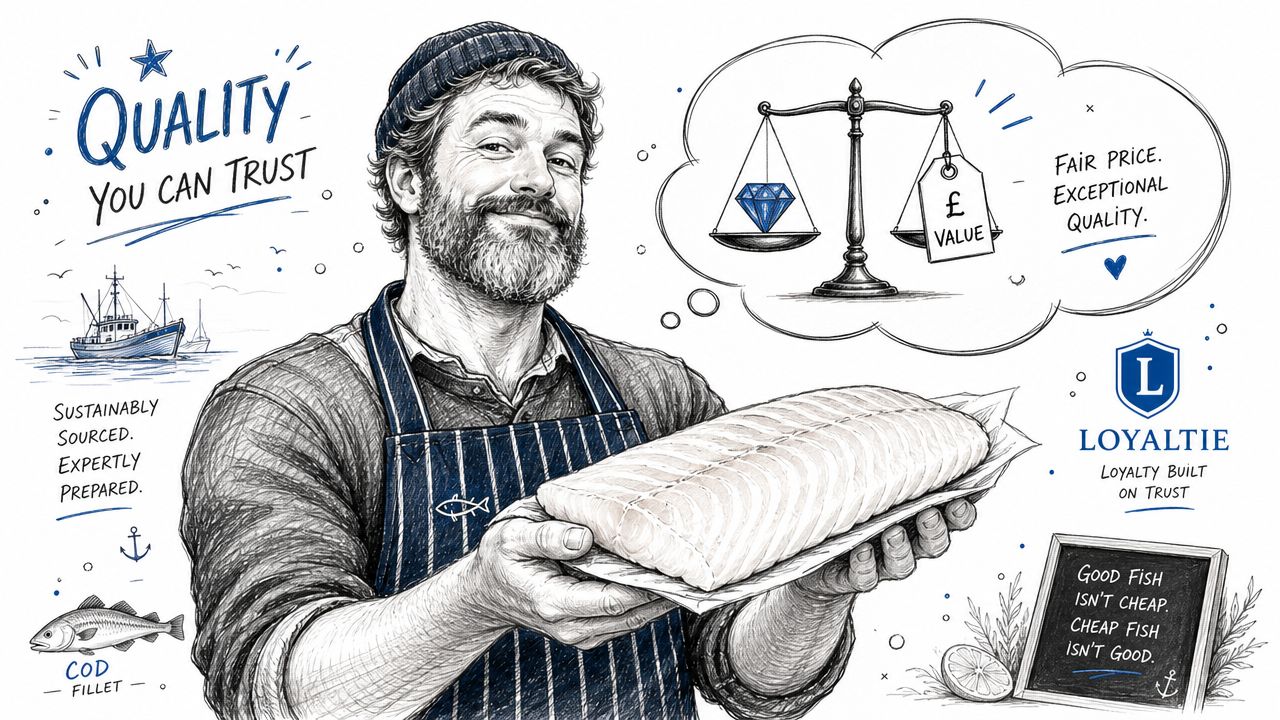
Show buyers what makes your fish worth it
Start with the details a careful shopper actually wants.
- Handling method: Say whether the fish is fresh, once-frozen, or previously frozen.
- Product form: Tell people if it's a loin, fillet, portion, skin-on cut, or trimmed piece.
- Source clarity: If you know where it was caught or landed, say so in plain language.
- Cooking guidance: A sentence about the best use helps buyers picture dinner, not just cost.
Don't lean on vague quality words. “Clean fillet, once-frozen, firm texture, good for roasting” is stronger than “top quality cod.” Specific language lowers buyer hesitation.
Write for the shopper who wants clarity
Shoppers are already leaning toward local purchasing when they can understand what they're getting. According to independent retail sourcing data, 62% of independent retailers now source goods within a 100-mile radius in 2026, driven by localized supply chains and digital-first community commerce that lets customers buy directly from makers with no middleman.
That matters for seafood because proximity and transparency are part of the value story. If you're selling on Loyaltie for independent sellers, use your listing to answer the questions people would ask at a market stall. Was it frozen once? Is it cut thick for pan-roasting? Is the texture especially suited to chowder or fish cakes? Those details justify your price better than broad claims ever will.
A strong listing makes the buyer feel informed, not sold to.
Rethinking Your Next Seafood Purchase
Cod fish price per pound matters, but it's only one part of the decision. The better question is whether the fish in front of you is worth that price.
A thoughtful buyer doesn't just compare shelf tags. You compare handling, texture potential, source clarity, and the confidence you have in the seller. That's where local makers and independent brands often stand out. According to consumer trust and local revenue figures, 92% of consumers trust local businesses more than big brands, and 49.3% of revenue from independent stores directly benefits the local area. In practice, that trust often comes from a simpler fact. Real people can answer real questions about what they're selling.
If you enjoy seeing how ingredient quality and sourcing decisions shape the food experience, this practical guide for fine dining restaurants offers a useful perspective from the restaurant side.
The next time you shop for cod, don't just ask whether it's cheap. Ask whether it was handled well, whether the seller knows the product, and whether you'd be happy serving it to people you like. That's usually where the best value lives.
If you want an easier way to discover and buy directly from the best independent brands in the US, take a look at Loyaltie. It's a marketplace where you can find local makers across everyday categories, compare products with more context, and shop with the convenience of online ordering and no middleman.