You're standing at the point where a lot of candy businesses lose momentum. The recipes are ready, the packaging is close, and your products already taste like they came from a real kitchen. Then the name falls flat.
A weak candy shop name makes handmade candy sound generic. A smart one tells buyers, fast, that your shop offers care, quality, and a maker they can trust. That matters even more if you sell on a marketplace like Loyaltie, where shoppers compare options quickly and decide based on small signals. A name like small-batch milk chocolate English toffee already suggests can set the expectation before the first click.
Here's the standard I recommend. Your name should sound clear, specific, and believable. It should hint at how your candy is made, who it's for, or why it's better than shelf candy from a chain store. Cute helps. Clear sells.
The ten names in this guide do more than sound good. Each one works as a positioning move for an independent maker. You'll see why the name fits, what message buyers hear in it, and how to make the promise behind it feel real. That's how you pick a name that supports the brand you want to build, not just one that looks nice in a logo.
Table of Contents
1. Sugar & Spice Local
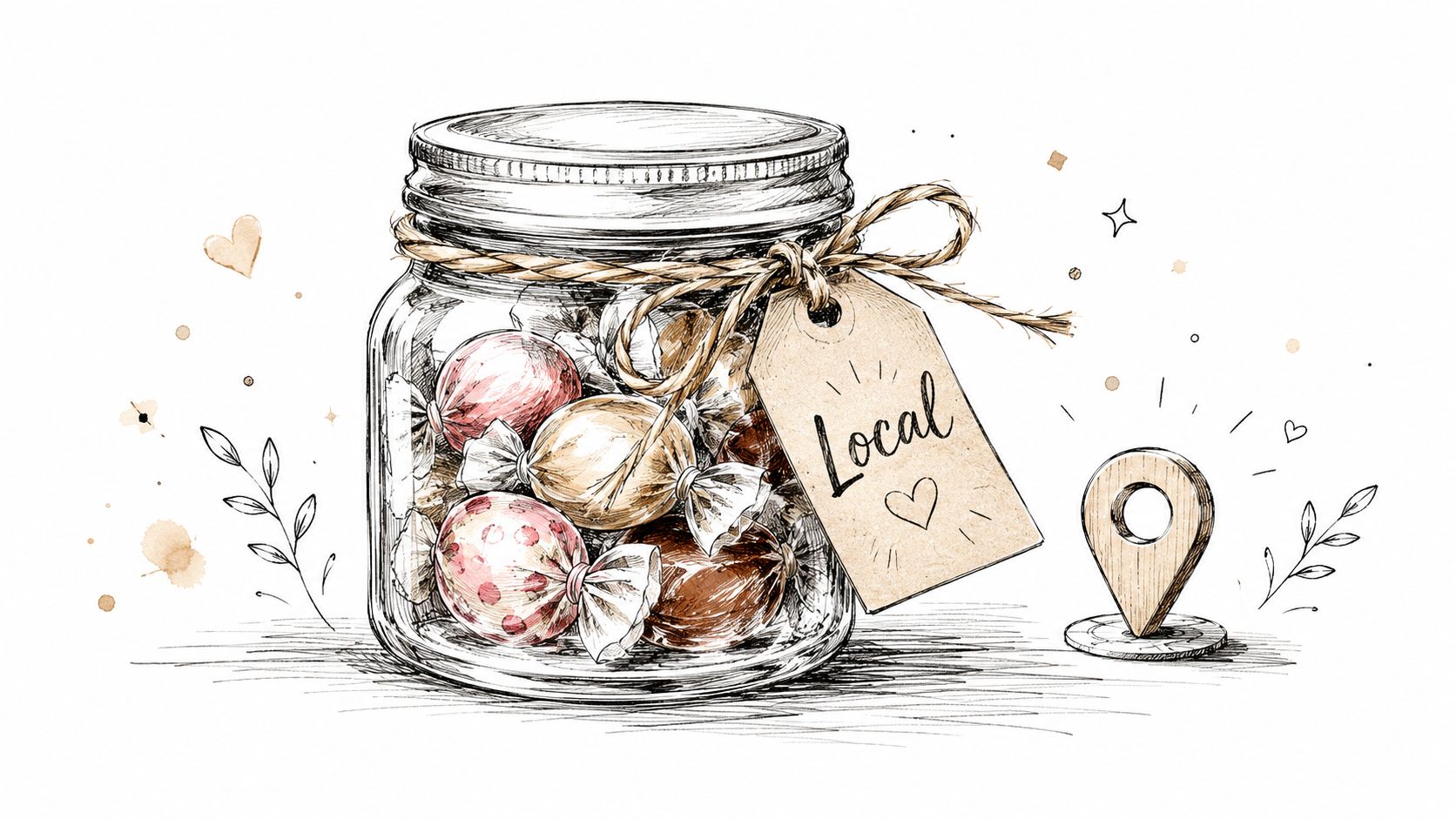
A shopper is scrolling for a gift, sees “Sugar & Spice Local,” and makes a fast judgment. This shop probably makes its candy in small batches, cares about ingredients, and has a real story behind it. That reaction is exactly why this name works.
It gives you two jobs in one. “Sugar & Spice” brings flavor and charm. “Local” adds accountability. For an independent maker selling on a marketplace like Loyaltie, that combination matters because buyers want more than a cute name. They want a reason to trust what they're buying.
The trust angle is backed by buying behavior. The U.S. Chamber's summary of Accenture findings reports that many U.S. consumers are still choosing neighborhood stores or locally sourced products after the pandemic, which makes “local” a useful signal right in the name: the U.S. Chamber's summary of Accenture findings.
Why this one works
This is a strong choice for a candy business with a clear point of view on flavor. Caramels with sea salt and warming spices, holiday bark, cinnamon candy, ginger sweets, buttery toffee, or regional recipes all fit naturally under this name.
It tells buyers what kind of maker you are. You are not trying to sound huge. You are telling people your products come from a place, a kitchen, and a set of standards. That is smart branding for handmade food.
Practical rule: If you use the word “local,” prove it in the first screen of your shop page.
Use product presentation to back up the promise. A listing like Chai Spice Blend, Cinnamon Coriander Clove Cardamom Ginger, Mix Into Honey for Instant Chai Drinks, 1.6 oz | Mooney's Apothecary and Such by Loyaltie works because the use is plain from the title. It is a spice blend meant to be mixed into honey for instant chai drinks, and the ingredient story is easy to understand at a glance.
How to make it stronger
Do not stop at the name. Show where your ingredients come from, what you make by hand, and why your process is different. If you sell buttery toffee or chocolate bark, strong product naming and clear ingredient detail do a lot of the trust-building for you, as seen in this milk chocolate English toffee from Dudley's Toffee on Loyaltie.
You can also support the “local” promise with products that feel specific and transparent, even if they branch slightly beyond classic candy. For example, organic lion's mane mushroom gummies with strawberry flavor show how a product name can communicate ingredients and purpose without sounding vague or overworked.
My advice: choose “Sugar & Spice Local” if your shop story is real and easy to prove. Skip it if “local” is only there to sound friendly. This name wins when the business behind it shows its face, its process, and its ingredients clearly.
2. The Candy Collective
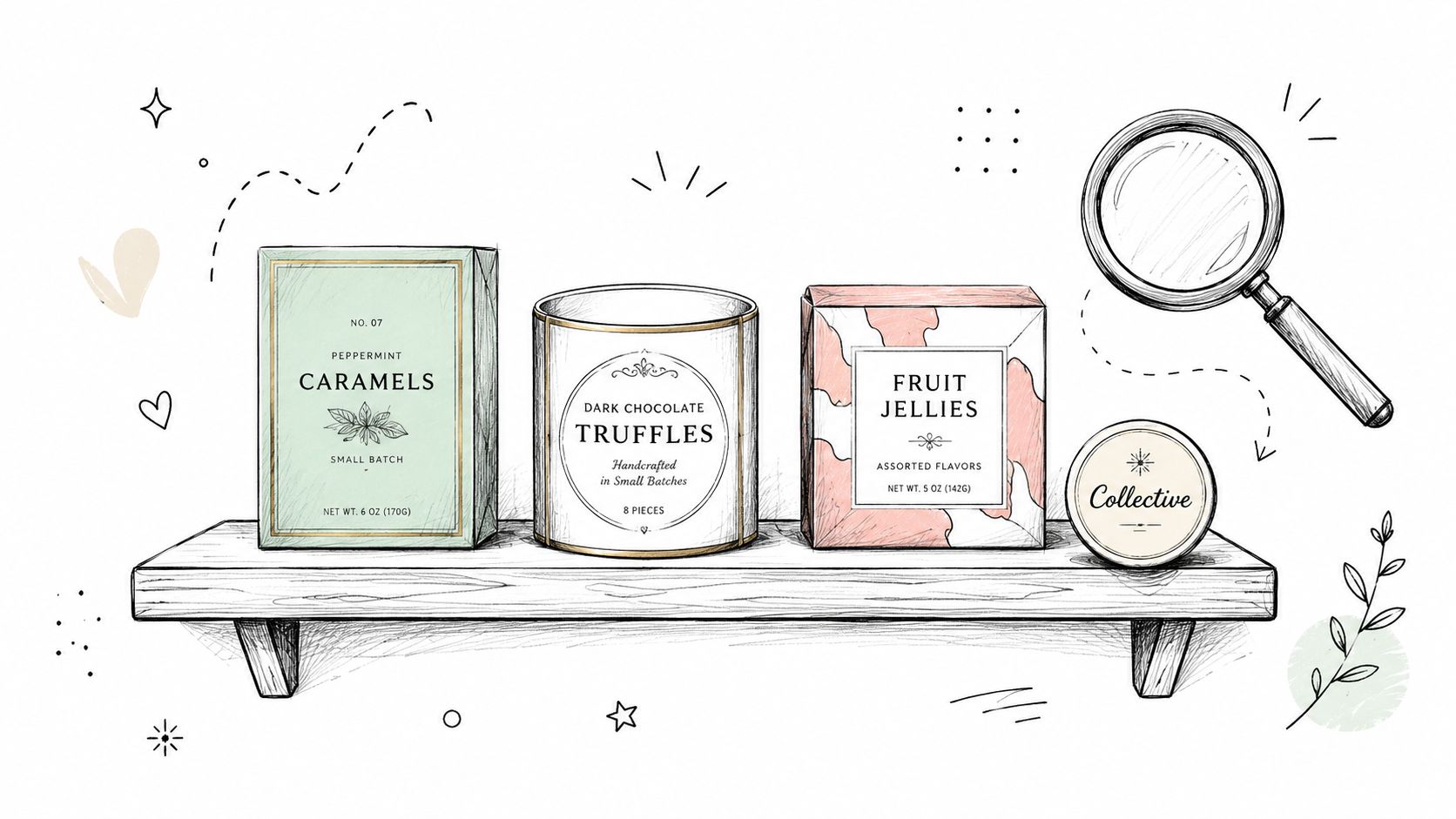
If your shop carries multiple lines, collaborations, or rotating flavors from more than one maker, “The Candy Collective” is one of the strongest candy shop names you can choose. It sounds curated. It sounds intentional. It tells people they're not just buying random sweets. They're discovering a selection.
That kind of framing matters in a competitive field. The U.S. Candy Stores industry includes 11,367 businesses and posted a 3.0% compound annual growth rate between 2019 and 2024, according to IBISWorld's candy stores industry page. In a market with that many shops, “collective” helps you stand apart from one-product-only names.
Best fit for this name
This works especially well if you sell handmade caramels, gummies, brittle, chocolate bark, and gift assortments under one roof. It also fits a shared storefront or online shop where customers discover different makers in one place.
Think of the customer experience. Someone lands on your page looking for a gift and ends up building a mixed box because the brand promise already says curation.
- Use it for variety: Great for broad product catalogs and rotating seasonal drops.
- Use it for collaboration: Strong if you feature guest makers or local food partnerships.
- Use it for gifting: “Collective” naturally supports bundles and themed assortments.
How to use it without sounding vague
Don't leave the word doing all the work. Explain who's curating the assortment and what standards you use. If you include wellness-adjacent sweets or gummies, be direct about what belongs in the mix and why. A product like Lion's Mane Mushroom Gummies by Isla Wellness on Loyaltie shows how a broader collective-style shop can include adjacent formats while still feeling selective.
A collective should feel edited, not crowded.
3. Made Here Candy Co.
A shopper picks up your bag at a market or lands on your product page and wants one quick answer before anything else. Who made this? “Made Here Candy Co.” answers that fast, and that is exactly why it works.
This name is strong for independent makers because it does a job clever names often miss. It signals authorship. It tells people your candy comes from your hands, your kitchen, your process, and your standards. On a marketplace like Loyaltie, that matters. Buyers are comparing options quickly, and a name that communicates real production beats a name that only tries to sound cute.
Why this name earns trust
“Made Here” tells customers you make the product yourself rather than sourcing it from somewhere else and relabeling it. That clarity is valuable if you sell fudge, toffee, peanut brittle, hard candy, or dipped treats from your own production space.
It also gives you a useful brand promise to prove. If you choose this name, your photos, packaging, and product descriptions need to show the work. You want batch trays, ingredient prep, wrapping tables, cooling racks, or even your hands finishing the product. The name sets the expectation. Your shop has to confirm it.
Best fit for this name
I recommend this one for sellers whose process is part of the product story.
It fits especially well if you:
- make candy in small batches
- package orders by hand
- sell direct online and at local markets
- want your brand to feel transparent, grounded, and personal
It can even stretch into adjacent categories if the maker story still feels obvious. A product page like these gluten-free mini cakes made by Avec Amoore works because the appeal is not just the item itself. Buyers can feel the person behind it.
How to use it well
Do not hide behind the name. Put your location, process, and product standards in plain language across your bio and listings. “Made here” should answer practical questions such as where the candy is produced, how often you make it, and what ingredients you care about.
This name also looks good on real-world materials. Labels, market signs, gift bands, and shipping inserts all benefit from a name that is short, readable, and easy to trust.
A clear maker promise usually beats a clever pun.
4. Honest Sweets
A customer picks up your bag at a market or lands on your product page online. They want one quick answer. Can I trust this?
“Honest Sweets” answers that fast. It tells people your brand is clear, straightforward, and comfortable saying exactly what the candy is made of. That matters for an independent maker, especially on a marketplace like Loyaltie, where buyers often compare several shops in a row and reward the one that feels open, not overdesigned.
This name works best when your selling point is clarity. You are not trying to sound whimsical or overly polished. You are telling shoppers that your ingredient list, sourcing choices, and product descriptions will hold up under a closer look.
Why this name works
“Honest” is a strong word. Use it only if you can prove it.
That is what makes this name good. It creates a simple standard for your brand. Plain ingredient language. Clean labeling. Clear photos. Product pages that tell buyers what they are getting without sugar-coated copy.
It also gives you a useful position in a crowded candy category. Plenty of names chase charm. “Honest Sweets” chases trust, and trust converts well when you are a smaller seller competing against louder brands.
How to make “Honest Sweets” feel credible
Your shop page should read like a maker who respects the customer's attention. Keep it specific and easy to scan.
A strong setup usually includes:
- A short sourcing statement: Explain what you look for in chocolate, sugar, fruit, nuts, or flavorings.
- Straight product naming: Say “sea salt caramel” or “strawberry hard candy,” not vague branded names nobody understands.
- A clear ingredient note: Tell people what is inside each product in plain language.
- A simple standards note: Mention what you avoid, if that is part of your promise, such as artificial dyes, corn syrup, or unnecessary fillers.
This is one of the best candy shop names for sellers whose quality story comes from transparency. Each listing should feel like a mini case study. Why these ingredients. Why this method. Why this product is worth buying from you instead of a mass-market brand.
You do not need a big personality gimmick here. You need proof. If your photos, packaging, and copy feel clean, specific, and consistent, “Honest Sweets” becomes more than a nice name. It becomes a believable promise.
5. The Sweet Lab
“The Sweet Lab” gives you room to be playful without sounding random. It tells people you test, refine, and create with intention. If your candy line includes rotating flavors, unusual pairings, or limited releases, this name makes those choices feel organized instead of chaotic.
It also matches what people respond to online. The global candy market is projected to grow from USD 65.22 billion in 2024 to USD 93.07 billion by 2033, and names with energetic, sound-forward phrasing can perform better digitally, according to Research and Markets' candy report summary. “Sweet Lab” has that snap. It's short, memorable, and easy to say.
Why this feels fresh
This is a great fit for flavor-first brands. Maybe you do strawberry basil hard candy, black sesame brittle, espresso caramel, or seasonal gummies with unusual spice combinations. “Lab” makes experimentation part of the promise.
Here's a quick visual break for the feel of a maker at work:
How to keep it approachable
The risk with “lab” is sounding too technical. Fix that with warm product names and friendly descriptions. Don't write like a chemist. Write like a person who obsesses over getting flavors right.
You can also use this name to support regular delivery or reorder behavior. New drops, test batches, and seasonal experiments give people a reason to come back and see what's changed.
Keep the brand voice warm. Let the word “lab” suggest care and process, not distance.
6. Neighborhood Candy Co.
A customer finds your shop on a marketplace like Loyaltie, likes what they see, then pauses for one quick gut check. Does this feel like candy from real people they can trust, or just another polished brand with no face behind it? “Neighborhood Candy Co.” answers that question fast.
It signals familiarity, consistency, and human scale. That matters for an independent maker because buyers are not only picking a flavor. They are picking a level of confidence in how that flavor was made, packed, and described.
Why this name works
“Neighborhood” gives you local warmth without trapping you inside one ZIP code. You can ship nationwide and still sound personal. That is the sweet spot for a small brand that wants to grow without losing its character.
It also does a smart branding job that a lot of candy names miss. It suggests relationship before novelty. Instead of telling people you are quirky, edgy, or ultra-premium, it tells them you are dependable, generous, and part of everyday life. For handmade candy, that often sells better.
This is a strong fit if your brand promise centers on small batches, clear ingredients, giftable packaging, and flavors people feel good sharing with kids, coworkers, or neighbors.
How to make the name earn its keep
A name like this needs proof. Show your workspace. Introduce the people making the candy. Explain why a batch is seasonal, where an ingredient comes from, or how you handle freshness and packing. The more transparent you are, the more “Neighborhood” feels real instead of decorative.
Your product copy should sound welcoming and plainspoken. Skip inflated language. Use specifics customers can trust, like texture, ingredient quality, shelf life, and who each candy is great for.
Independent retailers also tend to create a stronger local ripple effect than chains. AMRA & Elma's roundup of independent store marketing statistics highlights that difference clearly. You do not need to turn that into a sermon. Just let the brand reflect what people already want: a closer connection to the maker, better visibility into what they are buying, and candy that feels made with care.
7. Real Candy Kitchen
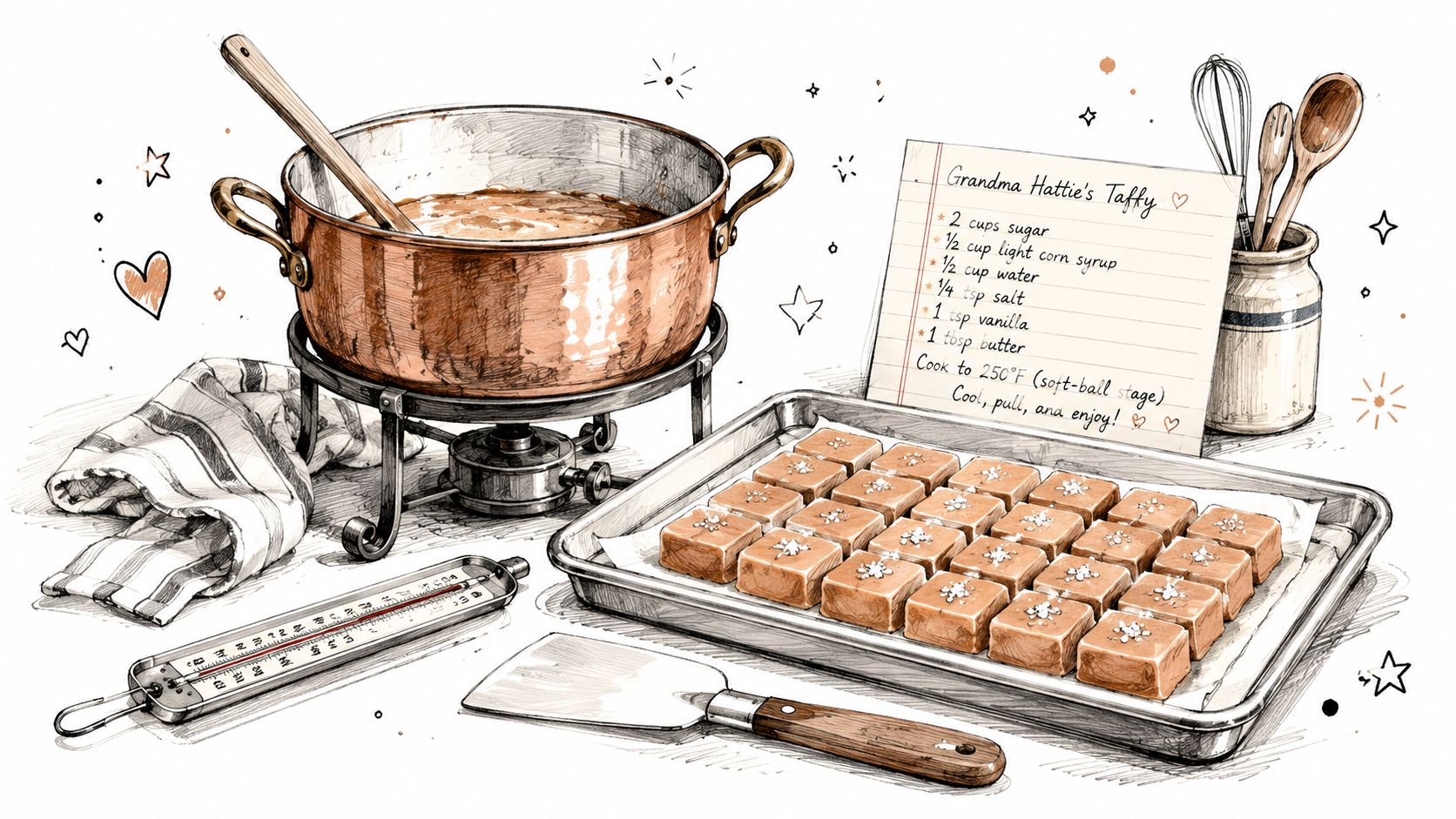
A shopper lands on your page, sees “Real Candy Kitchen,” and already knows what kind of maker you are. You are not selling mystery sweets with polished branding and no story behind them. You are signaling cooked sugar, visible technique, familiar ingredients, and a place where candy is made.
That clarity is the strength of this name.
“Real” is doing serious work here. It promises honesty without sounding preachy. “Kitchen” makes the brand feel handmade, approachable, and specific. Together, they tell customers on a marketplace like Loyaltie that your value is quality they can understand, not cleverness for its own sake.
Why this name works
“Real Candy Kitchen” is a strong choice if you make products people associate with craft and process: fudge, taffy, toffee, pralines, nut clusters, and caramel. These are categories where buyers want to know how the candy gets made, what goes into it, and why it tastes better than a mass-market version.
It also gives you a built-in content strategy. You can show the batch in the kettle, the slab on the table, the wrapping process, or the ingredient lineup, and every one of those details reinforces the name. That is what makes this more than a pleasant phrase. It becomes a promise you can prove.
This is the kind of name that turns your process into marketing.
How to make “Real” believable
Do not stop at rustic visuals. Back the name up with specifics customers can verify.
A strong “Real Candy Kitchen” brand usually includes:
- Process proof: Show cooking, cooling, cutting, dipping, or wrapping.
- Ingredient clarity: Name the butter, nuts, cocoa, fruit, or extracts you use.
- Plainspoken product copy: Describe texture, flavor, and freshness in clear language.
- Maker visibility: Let customers see the person or small team behind the batch.
If you choose this name, commit to transparency. Show enough of your process that customers feel the difference between handmade candy and generic candy. That is what helps an independent shop stand out, especially in a marketplace setting where trust has to happen fast.
8. Better Sweets Supply
A customer likes your candy, finishes the bag three days later, and comes back hoping to buy again. “Better Sweets Supply” fits that behavior. It tells people your shop is a reliable source for the sweets they want to keep around, not just a one-time treat.
That makes this name especially useful for an independent maker on a marketplace like Loyaltie. You are not only selling flavor. You are selling trust, consistency, and the feeling that buyers know what they are getting every time they reorder.
Why this name works
“Better” makes a quality claim, so you need proof behind it. That is the opportunity. If you use cleaner ingredients, fresher batches, clearer labeling, or more honest product descriptions than mass-market candy, the name gives you room to say so in plain language.
“Supply” does a different job. It suggests reliability, breadth, and repeat buying. That is smart positioning if you sell snackable products, giftable packs, or shelf-stable favorites people want to keep on hand at home or at work.
This name works best for shops with a practical, well-organized catalog.
What your brand needs to support it
If you choose “Better Sweets Supply,” build the business like an easy reorder brand.
A strong version of this name usually includes:
- Clear product categories: Separate gummies, caramels, bars, brittle, taffy, and seasonal items so people can shop fast.
- Visible quality standards: Explain ingredients, batch size, texture, allergens, and freshness in straightforward terms.
- Repeat-order formats: Offer bundles, refills, pantry packs, or customer favorites collections.
- Consistent presentation: Keep packaging, photos, and product naming tidy so the shop feels dependable.
There is also a naming discipline point here. “Better” and “Supply” are useful words, but broad names can run into availability issues. As noted earlier, name generators do not replace trademark and handle checks. Do that work before you order packaging or claim social accounts.
If the name promises a dependable source, your catalog, packaging, and reorder experience need to prove it quickly.
This is not the cutest name on the list. That is exactly why it can work. It gives you a clear strategic lane: better everyday candy, explained clearly, sold by a maker customers trust enough to buy from again.
9. Craft Confections
A shopper lands on your page looking for a gift, not a bag of impulse candy at checkout. “Craft Confections” fits that moment. It signals care, technique, and a maker who pays attention to the details customers can see and taste.
That makes this name especially strong for an independent seller on a marketplace like Loyaltie, where trust is built fast. You do not have a storefront to do the talking for you. Your name has to hint at quality before a buyer reads a single product description.
Why this name works
“Craft” tells people a person made this with skill. “Confections” gives the brand a more refined sound than plain “candy.” Together, they suggest small-batch work, careful finishing, and products with enough polish to justify a higher price point.
This name earns its keep when your products show visible technique. Chocolate is the clearest example, but it also works for caramels, brittles, nougat, toffee, marshmallows, and gift-box assortments that feel considered rather than casual.
It also attracts a specific kind of buyer. These customers read ingredient lists, care about texture, and want to know why one sweet costs more than another. A name like “Craft Confections” helps you frame that answer from the start.
What your brand needs to support it
If you choose this name, act like a maker with standards people can verify.
A strong version of “Craft Confections” usually includes:
- Process details: Say whether items are hand-dipped, tempered, layered, cooked in small batches, or finished to order.
- Clear ingredient language: Name the chocolate type, flavor components, and any standout sourcing choices in plain English.
- Polished presentation: Use clean packaging, sharp photography, and consistent product naming so the shop feels intentional.
- Useful guidance: Add storage notes, serving suggestions, or gift context to show you understand the customer experience beyond the sale.
Here is the inside tip. “Craft” is a promise, not decoration. If your listings are vague, your photos are dim, or your assortment feels random, the name starts to sound inflated. If your shop explains what you make and how you make it, the name becomes a shortcut to trust.
This is one of the better options on the list for sellers who want to communicate quality and transparency, not just personality. It tells buyers your sweets are made with care, and then gives you a clear standard to live up to.
10. Good Candy Company
If you want a name that feels honest, calm, and confident, this is it. “Good Candy Company” doesn't try too hard. It leaves room for the product to speak.
That modesty can be a strength. You're not claiming fantasy. You're saying the candy is good in the ways that matter. Good ingredients. Good texture. Good flavor. Good experience buying directly from the maker.
Why simple can win
Some of the most memorable names are short, clear, and easy to repeat. “Good Candy Company” is easy to say out loud, easy to print, and easy to remember after one visit. It also works across age groups. Kids understand it. Adults don't roll their eyes at it.
A simple name becomes especially powerful when your story gives it weight. “Good” can stand for your standards, your sourcing, your flavor style, or your view that candy should feel joyful without being overcomplicated.
How to make a plain name memorable
You'll need stronger visual branding here than you would with a more descriptive name. Think color, packaging shape, typography, and product photography. Let the identity carry some of the personality.
This is also where your founder note matters. Define what “good” means to you in one compact paragraph on your shop page. Then let reviews, repeat orders, and product detail do the rest.
Top 10 Candy Shop Names Comparison
| Name | 🔄 Implementation complexity | ⚡ Resource requirements | ⭐📊 Expected outcomes | 💡 Ideal use cases | Key advantages |
|---|---|---|---|---|---|
| Sugar & Spice Local | Low, simple, needs storytelling | Low–Medium, quality ingredients, local sourcing | ⭐ Strong local credibility; 📊 ↑ local conversions | Makers of natural sweeteners, small-batch, nostalgic recipes | Warm, memorable; signals real ingredients |
| The Candy Collective | Medium, curation + partner coordination | Medium, multiple lines, partnership management | ⭐ High perceived curation; 📊 higher AOV & repeat if curated | Collaborative shops, regional curators, multi-line makers | Flexible expansion; community and discovery focus |
| Made Here Candy Co. | Low, literal positioning but must be factual | Medium, on-site production and visual proof | ⭐ High trust and transparency; 📊 ↑ trust scores & foot traffic | On-site producers, makers building local retail presence | Clear origin claim; strong differentiator vs mass-market |
| Honest Sweets | Low, needs authentic transparency | Low–Medium, ingredient sourcing and documentation | ⭐ Strong trust with health-conscious buyers; 📊 ↑ engagement when honest | Organic/allergen-friendly makers or natural sweetener users | Ingredient-focused; supports content on sourcing |
| The Sweet Lab | Medium, ongoing R&D and novelty pipeline | Medium–High, testing, limited runs, innovation resources | ⭐ High novelty appeal; 📊 justifies premium pricing & social sharing | Experimental flavor creators, seasonal/limited releases | Encourages repeat visits; supports premium positioning |
| Neighborhood Candy Co. | Low, community-centric branding | Low–Medium, local partnerships, neighborhood content | ⭐ Strong local loyalty; 📊 ↑ repeat & referrals | Makers with strong local presence or neighborhood collaborations | Builds community trust and word-of-mouth growth |
| Real Candy Kitchen | Low, nostalgic, literal branding | Medium, kitchen imagery, traditional techniques | ⭐ Appeals to nostalgic buyers; 📊 ↑ conversion in older demos | Traditional candy makers, family recipes, taffy/fudge specialists | Nostalgic authenticity; strong visual storytelling |
| Better Sweets Supply | Medium, requires reliable supply model | Medium–High, consistent production, subscription setup | ⭐ Drives recurring purchases; 📊 ↑ CLV with reorder options | Makers targeting repeat buyers and subscription models | Benefit-focused; positions as dependable, everyday quality |
| Craft Confections | Medium, must demonstrate specialized skill | Medium, specialized techniques, educational content | ⭐ Supports premium pricing; 📊 ↑ AOV in premium segment | High-end chocolate, specialty techniques, gift-oriented makers | Perceived craftsmanship; justifies higher prices |
| Good Candy Company | Low, simple, broad positioning | Low–Medium, strong product quality & branding effort | ⭐ Broad appeal; 📊 ↑ organic referrals if product is strong | Makers confident in product quality seeking accessible brand | Humble, memorable name; easy to build on with strong products |
Your Sweet Success Starts With a Great Name
You have a great caramel, a clean label, and a shop ready to go. Then the name stops everything. That decision feels small until you realize it shapes the first impression before anyone tastes a single piece.
Your name is a trust signal.
For an independent candy maker, especially on a marketplace like Loyaltie, the best name does a specific job. It helps a buyer quickly understand what you make, how you make it, and why your shop feels worth the extra attention. A clever name can get a smile. A clear name gets remembered, searched, and bought.
That is why these picks matter. They are not random creative ideas. They are positioning choices. “Made Here Candy Co.” tells a transparency story. “Honest Sweets” sets an expectation of straightforward ingredients and standards. “Craft Confections” supports a higher price because it sounds skilled and intentional. Each one works like a mini brand case study. The name carries part of the sales message for you.
Now be strict with your shortlist. Say each name out loud. Put it on a product label. Picture a customer recommending it to a friend, typing it into search, or spotting it in a crowded marketplace feed. If it feels awkward, forgettable, or vague, cut it.
Make one final check before you commit. Does the name help a first-time buyer understand why your candy is different from a cheaper, more familiar option? If the answer is yes, you have a name that can grow with your business.
Pick the one that makes your quality easier to believe. That is how a good candy shop name becomes a strong brand.