You know that moment when you open the fridge, stare at the same tired staples, and think, there has to be a better way to eat than this? Buying from local makers online fixes that feeling fast. You get food with more character, clearer ingredient stories, and a direct line to the people making it, without turning your week into a scavenger hunt.
The pull is practical, not sentimental. Consumers buy local food for freshness (82%), support for the local economy (75%), and knowing the source of the product (58%) according to USDA-summarized research on local food buyers (USDA ERS). When you shop online, those same reasons matter even more, because you can't pick up the produce or meet the maker in person before checkout.
Table of Contents
- Why Your Next Grocery Run Should Be Online
- Direct-from-maker sites work best when you already know the producer
- Treat arrival day like a freshness check
- Use reorder habits to make your favorites stick
- Check payment access before you fall in love with a listing
Why Your Next Grocery Run Should Be Online
The supermarket aisle can feel oddly flat. Same labels, same lighting, same produce that looks like it has been sorted for appearance before flavor. Buying local food online changes that routine into something more satisfying, because you are choosing products made by people who can tell you what is in them, where they came from, and why they are made the way they are.
A key advantage is control. Online listings usually give you more room to compare ingredient lists, sourcing notes, handling details, and maker information before you buy, which makes it easier to avoid guesswork. That matters most when you are trying to trust an unfamiliar brand, because a clear product page can answer the questions that a rushed grocery trip never does.
Practical rule: if a product page cannot tell you what it is, who made it, and how it gets to you, keep scrolling.
That mindset matters whether you are ordering produce, coffee, pantry staples, or a snack that is a step up from the usual grocery-store versions. A product like Gluten-Free Banana Bread Mix, Vegan & Allergen-Friendly, Moist Homemade Taste, 1 Box | Really Great Food by Loyaltie is a good example of why people shop this way. It is not about novelty. It is about getting a mix that is built to taste like homemade while avoiding gluten, dairy, nuts, and soy.
Buying online also gives you a better read on trade-offs before money changes hands. A seller who is upfront about ingredients, packaging, and order handling is easier to trust than one that hides behind vague copy and pretty photos. If you care about food that feels personal, local shopping online is one of the cleanest ways to find it without settling for whatever happens to be on the nearest shelf.
For shoppers, the win is simple. You spend less time settling for the closest option and more time discovering food you want to keep in the house.
Where to Find Great Local Food Online
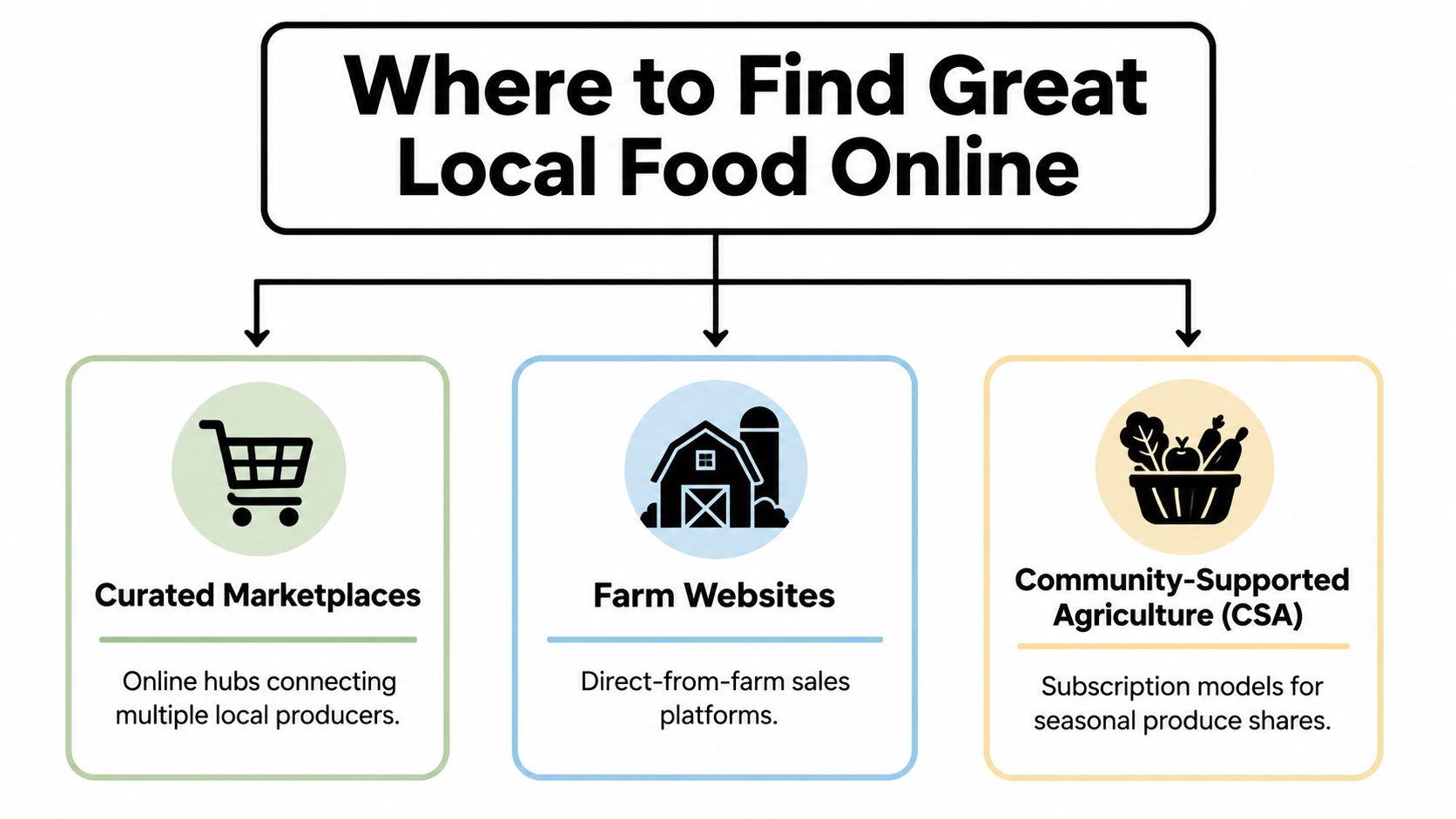
The easiest way to buy local food online is to think in three lanes. One lane is a curated marketplace, where independent makers are gathered in one place. Another is a farm or maker website, where you buy directly from a single producer. The third is a CSA or food-hub model, where you're joining a recurring seasonal flow that's built around what's available.
Curated marketplaces are the fastest route when you want variety without jumping between a dozen websites. They're useful if you like comparing pantry items, snacks, coffee, wellness goods, and local food in one cart. For shoppers who want a place to discover and buy directly from independent brands, a marketplace like Loyaltie fits that role well, because the browsing is centralized but the products still come from real makers.
Direct-from-maker sites work best when you already know the producer
A farm website or maker storefront is a good fit when you've already found a brand you trust and want to reorder on your own terms. That path often feels the most direct, since you're buying without a middleman and can read the seller's own story, ingredient list, and ordering rules in one place.
CSA programs are different. They're usually about regular delivery or pickup of seasonal food, often from a specific farm or group of farms. The trade-off is less choice, but more rhythm. If you like planning meals around what's coming in the box, that structure can work beautifully.
Consumer behavior has also moved in this direction. Spending on local and direct-market channels has risen significantly, and direct-market spending increased from $9.50 to $10.70 per person per week since 2019 (local food consumer insights). That tells you this is no longer a novelty habit. It's a normal way people shop.
If you like a practical example, look at how a banana bread mix can sit inside the same discovery pattern as a snack or coffee buy. The point is to build a cart around better inputs, not just one-off treats.
How to Know Who to Trust Online
Trust is a significant hurdle. Most shoppers don't just wonder whether a local maker is talented, they want to know whether the product is safe, authentic, and backed by a real process if something goes wrong. That gap shows up in mainstream local-food content, which often focuses on discovery but not on food safety, seller authenticity, or order protection (National Guide to Finding Local Food).
Read the product page like a buyer, not a browser
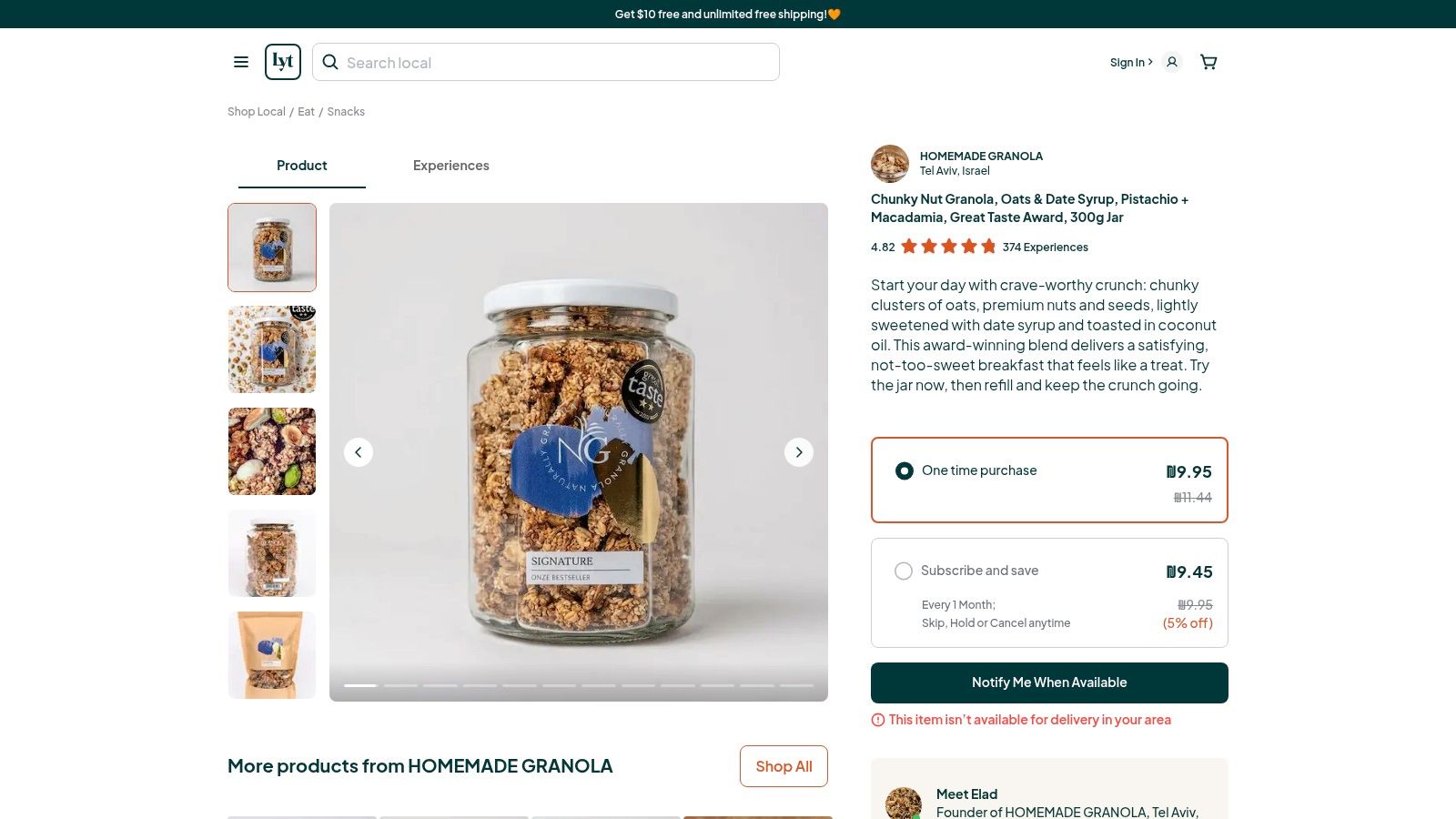
Start with the details. A trustworthy seller usually gives you a clear ingredient list, a sensible product description, and photos that look like the actual item rather than generic stock art. If they sell food, they should make it easy to understand what you're buying, not hide the useful stuff behind vague language.
Then check the seller's story. An honest About page doesn't need to be dramatic, it just needs to sound like a real human made the thing, knows how it's produced, and understands who it's for. If the brand is consistent across the site, social media, and product listing, that's a good sign.
For specialty coffee buyers, a useful way to sharpen your eye is to look at informed decisions for specialty coffee buyers. The value isn't in coffee jargon, it's in learning how to compare sourcing, transparency, and seller claims without getting distracted by buzzwords.
If the listing is all mood and no detail, assume the product experience will be the same.
Use platform protections as part of your check
A solid marketplace should back up its sellers with secure checkout and support if an order arrives damaged or late. That matters because the shopper isn't just buying food, they're buying confidence. A seller can be local and still be hard to trust if the platform leaves you guessing about what happens after payment.
A good mental test is simple. Can you tell who made it, what's in it, how it ships or gets picked up, and where to ask for help? If one of those answers is missing, keep looking.
Placing Your Order and Getting Your Food
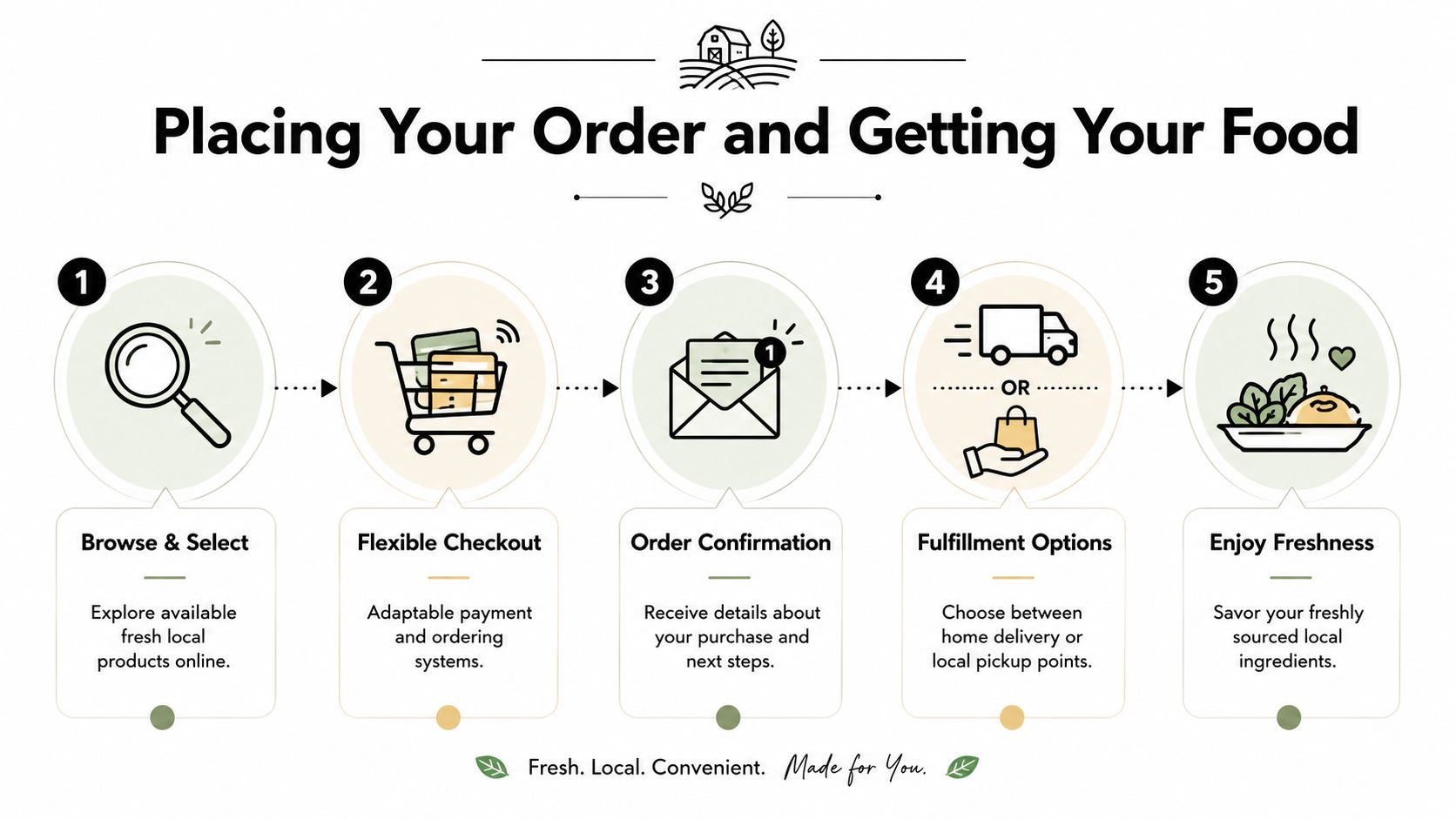
Local food checkout isn't always built like the big retailers you're used to. Many producers work on pre-order and pickup workflows, which means you order first and the food is harvested, baked, or packed afterward. That setup reduces waste and gives makers confirmed sales before they produce the order (pre-order workflow study).
Pay attention to the rhythm of the order
The best local systems are upfront about timing. You might see a weekly ordering window, then a scheduled pickup slot or delivery window a few days later. That's not a flaw, it's how many local food operations keep quality high and inventory sane.
This is also where a maker's checkout design tells you a lot. If the delivery area, pickup rules, and payment steps are obvious before you hit confirm, the operation probably has its logistics together. If you have to dig for basic details, that's a warning sign.
For a useful contrast, think about how fast-delivery categories are being handled in other food businesses, such as Carbon 6 Brewing beer delivery. The idea is the same even when the products differ, clear fulfillment rules make the buying experience easier to trust.
Match the fulfillment method to the product
Home delivery works when freshness and convenience matter most, but pickup can be better if you already pass through a farmers' market, storefront, or central handoff point. The point is not speed for its own sake, it's receiving food in a condition that makes sense for the product.
If you're the kind of shopper who likes consistency, a regular delivery or recurring reorder can be a smart move once you find something you love. For a pantry item like High-Protein Lupin Pasta Bundle, Lupin Flour & Psyllium, Gut-Friendly Fiber, Gluten-Free, 5 Boxes (2 Spaghetti, 3 Rotini) | Chef's Kiss by Loyaltie, that rhythm can make weeknight cooking feel easier without giving up on better ingredients.
One more good reference point is a platform that handles discovery and fulfillment together, like Loyaltie's complete body juice bar collection. That kind of setup helps you compare products without losing track of how the order gets to you.
Tips for a Great Online Local Food Experience
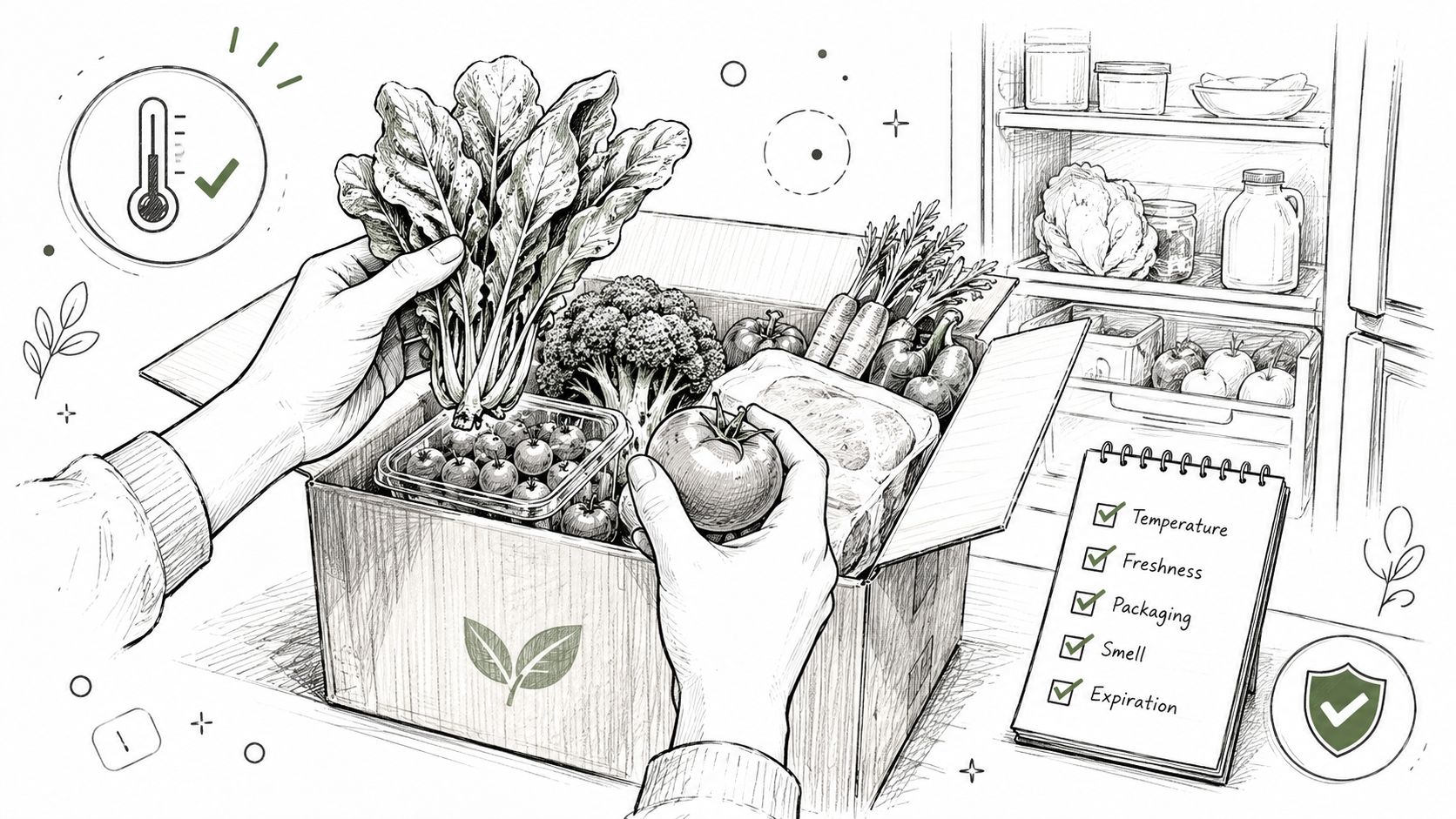
The first order is usually the easiest part. The better habit is learning how to keep the whole process steady week after week, so the food stays in good shape and the buying stays low-stress.
Treat arrival day like a freshness check
Inspect perishable items as soon as they arrive, then refrigerate or freeze them right away. Local food often comes with less packaging and fewer extra layers than mass-market grocery items, so you need to handle it with the same care you'd use for any delivery. That applies especially when the order includes produce, dairy, or ready-to-eat items.
Practical rule: if a product needs chilling, don't let it sit on the counter while you unpack the rest of the order.
Use reorder habits to make your favorites stick
Once you find a coffee, bread mix, snack, or pantry item you really like, set it up as a regular delivery or mark it for easy reorder. The goal is not more online clutter, it is stopping yourself from repurchasing random impulse choices. Good local products can become part of your routine fast.
One example is Arsh's Honey at Loyaltie, where the value is having a straightforward way to buy directly from a maker you already trust. That kind of repeat purchase makes local shopping feel practical, not occasional.
Check payment access before you fall in love with a listing
Food access matters too. USDA reports that SNAP Online Purchasing is available in 47 states plus Washington, D.C., but not every local platform can accept it (4Roots Farm). If affordability is part of your shopping reality, that checkout detail can make a huge difference.
Some local platforms handle this better than others, and that is worth checking before you build your weekly routine around them. The best local food experience is not just flavorful, it is easy enough to keep doing.
It Is More Than Just a Purchase
Buying local food online changes the tone of your kitchen. You stop treating groceries like a chore and start treating them like choices, which is a nicer way to live and a better way to eat. Each order gives you a clearer sense of who made the food, what's inside it, and why it tastes different from the standard stuff.
That connection matters because the products are usually doing more than one job. They're feeding you, sure, but they're also bringing you closer to a maker's process, whether that's a roaster, grower, baker, or snack producer. If you want a deeper look at how local products can be part of a real revenue model for makers, SteadStack's profit playbook is a useful read from the seller side.
The bigger win is that the whole experience feels more human. You're buying directly from the maker, skipping extra layers, and getting food that often tastes fresher and feels more personal. That's the upgrade, not charity, not trend chasing, just better food from people who care about what they make.
A CTA for Loyaltie. Start browsing today, find independent brands you'd want to reorder, and turn your next grocery run into a better weekly habit.