

You're probably staring at a big empty jar right now, or thinking about buying one, and wondering if a 1 gallon glass jar with lid is useful or if it'll end up as another bulky thing in the cabinet. I get it. A gallon jar looks simple, but the wrong lid can turn a great storage tool into a frustrating mess.
The good news is that a gallon jar can be one of the hardest-working pieces in your kitchen. It can hold dry goods, cold brew, ferments, flowers, baking supplies, or a week's worth of pantry cleanup. The trick is matching the jar and lid to what you're putting inside. That's where most guides fall short.
I've used these jars for everything from berries to kombucha, and the biggest lesson is this: the jar matters, but the lid decides the job. Once you understand that, you'll get better results, waste less food, and make smarter buying choices, especially when you're filling your kitchen with better goods from independent brands and local makers instead of generic mass-produced stuff.
Table of Contents
Getting to Know Your Gallon Jar
A gallon jar usually enters your life for one of three reasons. You bought pantry staples in bulk, you want to brew or ferment something, or you're tired of flimsy containers that stain, warp, and hold onto smells. A big glass jar solves all three problems nicely.
A 1 gallon glass jar with lid holds 128 fluid ounces. That's enough space for flour, oats, rice, dried beans, cold brew concentrate, cucumber pickles, or a generous batch of sun tea. In practical terms, it's big enough to be useful but still manageable to lift and clean.
Most gallon jars are roughly around 10 inches tall and 6 inches wide. That matters more than people expect. Height determines whether it fits under your cabinet or on a pantry shelf, and width affects whether your hand can reach inside for cleaning or packing vegetables for fermentation.
Why glass works so well
Glass has a few everyday advantages that make it worth the shelf space:
- It doesn't hang onto odors: If you store onions one week and dry pasta the next, you won't keep smelling the first thing.
- It won't stain the way plastic can: Tomato sauce, turmeric, berries, and tea are much less of a headache.
- You can see what's inside: That sounds obvious, but clear storage helps you use what you have instead of rebuying it.
Practical rule: If you want one container that can move from pantry shelf to countertop to fridge without looking out of place, glass usually wins.
What confuses people first
It's often assumed the jar itself determines the use. It doesn't. Two jars can look nearly identical and behave very differently depending on the lid, the thread finish, and whether you need airflow, a tight seal, or a true canning setup.
That's why some gallon jars are great for sourdough discard, some are perfect for granola, and some are better left far away from heat-based food preservation.
If you're buying just one to start, think about your most common use. Dry goods need something different from berries. Fermentation needs something different from dairy. A pretty jar is nice, but a useful jar is better.
Choosing the Right Lid for Your Needs
A gallon jar without the right lid is just a large glass cylinder. The lid is what turns it into pantry storage, a fridge container, a fermenter, or a drink dispenser.
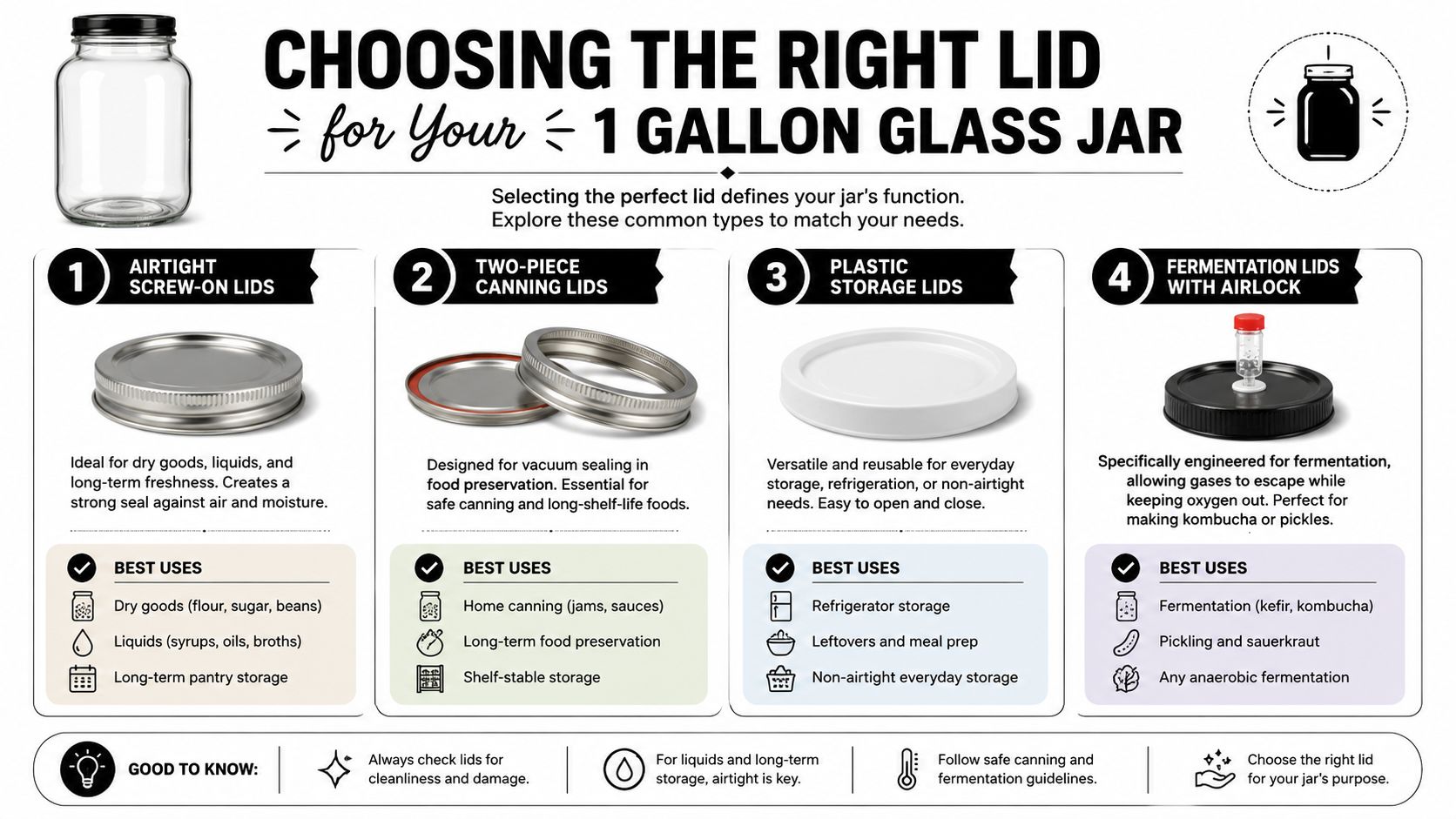
What the common lid types actually do
Some lids are made for sealing out air. Some are made for releasing gas. Some are there to cover the jar and make daily use easier.
| Gallon Jar Lid Comparison | Best For | Avoid For |
|---|---|---|
| Airtight screw-on lids | Dry goods, some liquids, fridge storage | Active fermentation, foods that need airflow |
| Two-piece canning lids | True canning on jars designed for canning | Most standard gallon jars |
| Plastic storage lids | Everyday fridge use, produce that benefits from a little airflow | Projects that need a strong airtight seal |
| Fermentation lids with airlock | Kombucha, pickles, sauerkraut | Basic pantry storage |
Airtight metal screw-on lids are common on large jars. They're convenient for flour, sugar, pasta, dog treats, and drink mixes. They also work well when you want a cleaner look on open shelving.
Plastic storage lids are less glamorous, but they're often easier for everyday use. They open quickly, don't rust, and can be the better choice when “some airflow” helps more than a hard seal.
If you want a jar for iced drinks on the go, smaller sealed drinkware makes more sense than trying to repurpose a giant storage jar. Something like this glass tumbler with silicone seal lid and straw is built for sipping and carrying, while a gallon jar is better for batching and storing.
Why lid material changes food storage
Much well-meaning advice often falters. People hear “airtight is best” and apply it to everything. That's not how food behaves.
For berries, trapped moisture can be the problem. According to recent storage tests on strawberries in glass jars, strawberries stored in glass jars with airtight metal lids spoil within 3 days, while those with slightly vented plastic lids can last up to 3 weeks. The airflow helps prevent condensation that speeds up rot.
Airtight isn't automatically better. For some foods, especially delicate produce, a little ventilation is what keeps them usable longer.
That same logic does not apply to every category. Dairy, dry goods, and many fermentation setups usually benefit from a tighter, more controlled seal. So the better question isn't “metal or plastic?” It's “what does this food need?”
A simple way to look at it:
- Use metal airtight lids for dry pantry basics, many refrigerated liquids, and foods where outside moisture is the enemy.
- Use plastic lids when easy access matters or when trapped condensation can shorten freshness.
- Use fermentation lids with airlocks when your jar contents produce gas.
- Use true canning lids only on jars designed for canning.
That last point matters more than most labels suggest, and it deserves its own warning, which we'll get to in the safety section.
From Pickling to Pantry Creative Jar Uses
The reason people keep coming back to gallon jars is simple. They're useful in ways smaller containers aren't. One jar can tidy a shelf, hold a batch project, and still look good enough to leave out on the counter.
Kitchen uses that earn their shelf space
My favorite gallon-jar jobs are the ones that remove clutter fast. A half-open bag of flour, a crumpled sack of oats, and a loose bundle of brown sugar turn into one neat row of containers that you can use without making a mess.
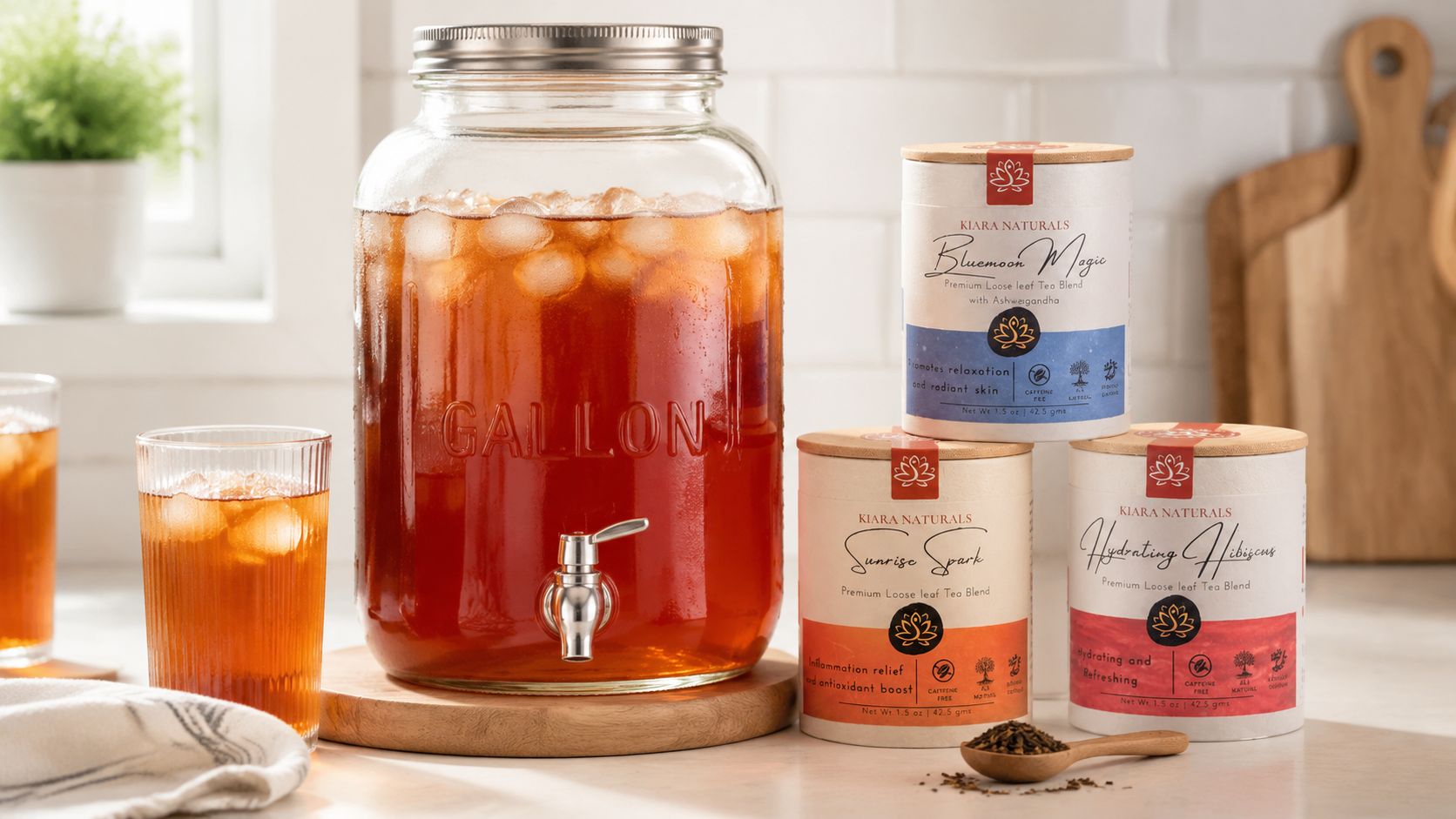
A gallon jar is also great for bigger prep rituals. You can start refrigerator pickles, batch cold brew, soak beans, keep a sourdough feeding setup organized, or build a tea station with dried citrus and loose herbs.
If you like buying directly from the maker, food packed in reusable jars can feel like a smarter kitchen purchase because the container keeps working after the original product is gone. A jarred pantry item such as the Granola Gift Duo oats Belgian dark chocolate chunky clusters fits that pattern nicely. You get something edible first, then a useful jar for refills, baking ingredients, or snack storage later.
For drink prep, I also like the idea behind Cold Brew | Kiara Naturals by Loyaltie, described as perfect for warm and sunny days or anytime you need a cool, uplifting break, with three blends that shine over ice, including the sparkling citrus of Sunrise Spark and the bold tang of Hydrating H. A gallon jar works well as the batching container once you've chosen the drink you want to keep in the fridge.
Beyond food storage
These jars don't have to live in the pantry. They make oversized vases for branches or long-stem flowers, hold clothespins in a laundry room, or corral pet treats near the door. In a craft space, they're useful for ribbon scraps, yarn bundles, or shells collected from trips.
A good jar earns its keep when you can reuse it in a completely different room without it looking like leftover packaging.
If you want more practical ideas on matching jar shapes and preserving uses, Chef Shop's preserving jars advice is worth a read. It's helpful for thinking through jar style, access, and everyday function rather than buying the first big container that catches your eye.
Important Safety Rules for Glass Jars
The safest way to enjoy a gallon jar is to be very clear about what it's for. Storage, fridge use, and fermentation are one category. Heat-based canning is another.
The canning mistake to avoid
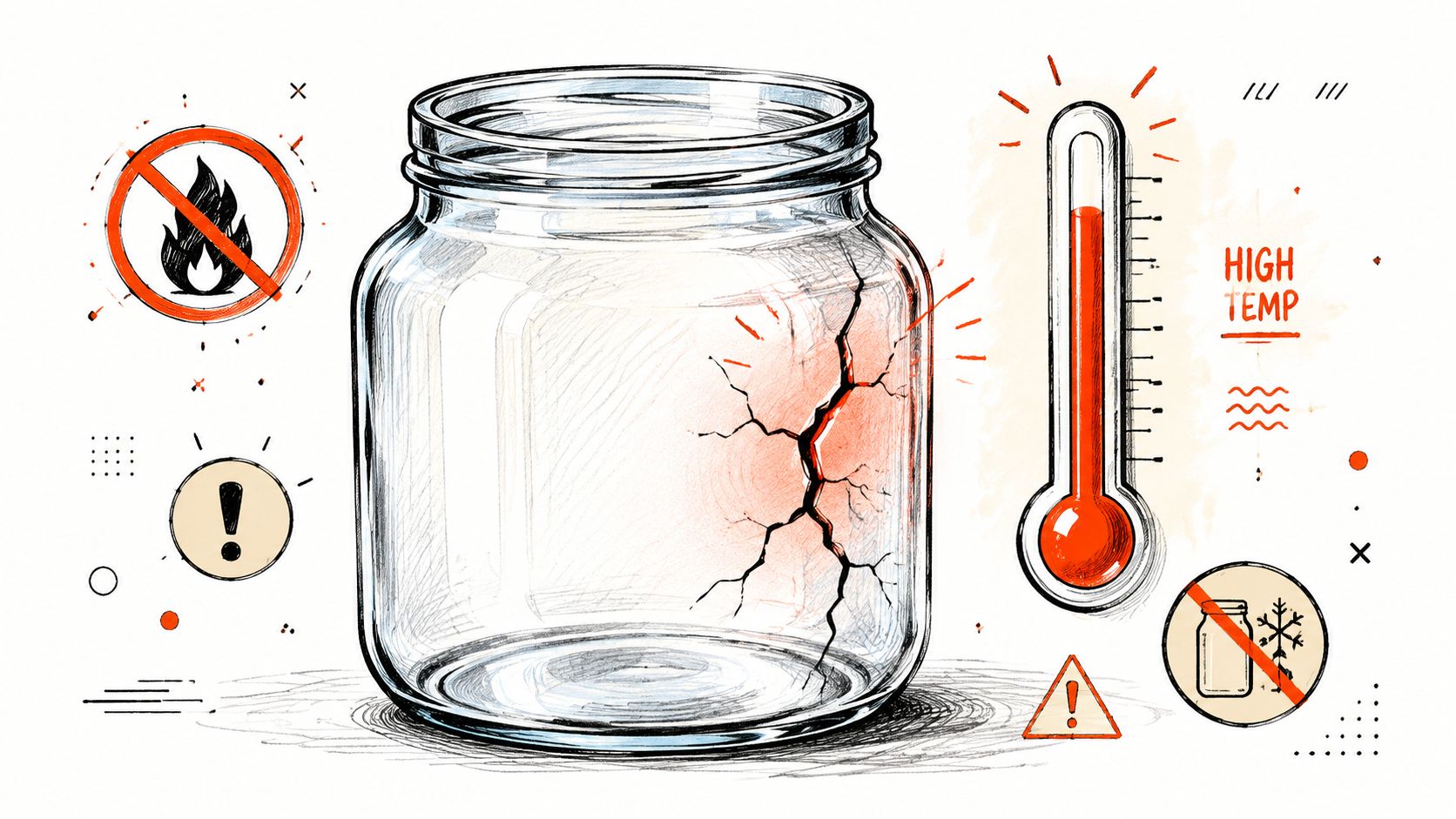
This is the big one. The USDA National Center for Home Food Preservation explicitly warns that 1-gallon jars are not recommended for canning because the large volume prevents heat from penetrating to the center, creating a safety risk, and most 110mm lids are designed for storage, not the hermetic seal needed for canning, as noted in the USDA's guidance on recommended jars and lids for home food preservation.
That warning clears up a very common misunderstanding. Many gallon jars use continuous thread, or C/T, 110mm lids. Those lids may screw on neatly and feel secure, but they are not the same thing as a true canning lid system. A metal lid that tightens down is not automatically a safe canning lid.
Here's the practical takeaway:
- Storage lid: Fine for pantry use, fridge use, and many non-canning projects.
- Canning lid: Designed for a proper hermetic seal under approved canning conditions on the correct jars.
- Gallon jar: Usually a storage vessel, not a home-canning vessel.
Safety note: Don't use a standard gallon storage jar for pressure canning or boiling-water canning just because the lid looks sturdy.
Cleaning and handling rules that matter
Most day-to-day jar safety is less dramatic and more about avoiding stress on the glass. Don't swing a cold jar straight into high heat. Don't fill it to the brim and freeze it. Don't ignore chips around the rim, because a damaged rim can affect sealing and make the jar more likely to crack.
Wash the jar well before first use, especially if it came with dust or warehouse residue. For fermentation or food storage, I prefer hot soapy water, a thorough rinse, and full air drying. If the lid has a gasket, remove it now and then and clean underneath. That hidden groove is where residue likes to sit.
This quick demonstration is useful if you want to see the berry-storage difference and why lid choice affects condensation:
A final habit that saves trouble is lifting from the base when the jar is heavy. Grabbing a full gallon jar by the lid alone is a good way to test your luck.
Find Better Jars and Goods from Independent Makers
A generic jar does the job. But if you care about what your kitchen feels like day to day, it helps to think bigger than the container itself. The jar, the food, the refill, and the maker all shape the experience.
Why the container and the contents belong together
The nicest pantry setups I see aren't just organized. They're intentional. The coffee tastes better, the granola gets eaten, the tea doesn't sit forgotten in the back of a cabinet, and the jars get reused because the products inside were chosen with care in the first place.
That's one reason more shoppers are moving toward independent brands and local makers. According to independent store marketing statistics collected here, 64% of Gen Z and Millennials actively seek out independent stores for more personalized and ethical shopping experiences. That lines up with what many people already feel in practice. Buying directly from the maker often gives you a better product story, better packaging choices, and fewer bland, mass-produced defaults.

Where to discover better everyday goods
If you're trying to upgrade everyday categories like coffee, food, skincare, wellness, or home goods, it helps to have one place to browse rather than hunting brand by brand. Loyaltie is a marketplace where people discover and buy directly from the best independent brands in the US. That makes sense for shoppers who want quality and want to skip the middleman.
A good example of the kind of reusable, better-made item that fits this mindset is this vintage glass pedestal compote soy candle in bourbon fig pear. Once the candle is finished, the lidded glass vessel still has a second life on a vanity, shelf, or pantry nook.
That's really the upgrade. You're not just buying a product. You're buying something made by real people, often in a container you'll keep using.
Pro Tips for Jar Care and Accessories
A few small habits make a gallon jar much easier to live with. These are the things people usually learn after a few sticky lids and awkward cleaning sessions.
Easy fixes for labels and stuck lids
For stubborn labels, soak the jar in warm soapy water first. If residue remains, rub it with oil and wipe again with soap. Avoid scraping with anything too sharp, because scratches make a clear jar look cloudy over time.
If a metal lid is stuck, run a little warm water over the lid only, then try again with a dry towel for grip. The slight temperature change often loosens it just enough without stressing the whole jar.
Don't twist harder right away. Improve grip first, then try a gentle tap or a little warmth on the lid.
Accessories worth keeping nearby
You don't need a drawer full of gadgets, but a few tools help:
- Bottle brush: A long-handled brush reaches the bottom without forcing your hand into the jar.
- Mini silicone spatula: Great for sourdough starter, thick sauces, nut butter, or the last bit of dressing.
- Wide-mouth funnel: Useful for grains, flour, and beans, especially if you hate countertop cleanup.
- Extra lids: Keeping more than one style around lets the same jar switch jobs easily.
If you buy one good gallon jar and a couple of lid options, you'll use it more often than you think. And if you fill it with coffee, tea, snacks, pantry staples, or home goods from independent brands and local makers, the whole setup feels more considered from the start.
If you want a simple way to discover and buy directly from independent brands across the US, Loyaltie is a useful place to browse everyday goods made by real people, from pantry items to home products you'll want to keep using.